Air Pollution Damages Cellular Energy and Raises Heart Disease Risk
Researchers identify blood markers that reveal early biological stress from pollution exposure before chronic illness develops.


Researchers identify blood markers that reveal early biological stress from pollution exposure before chronic illness develops.

Researchers identify blood markers that reveal early biological stress from pollution exposure before chronic illness develops.
Read More
Two studies link fine particulate matter from wildfires to increased hospital admissions and lower lung cancer survival.
Read More
Exposure to very dry air collapses airway mucus, but an inhaled magnesium mist could help protect the respiratory tract.
Read More
Children with an inherited risk for COPD show slower lung growth when exposed to higher levels of air pollution during early childhood.
Read More
Classroom dust containing elevated levels of Streptomyces and Mycobacterium species is associated with measurable reductions in lung function among school-aged children.
Read More
Patients diagnosed with lung cancer demonstrated a higher prevalence and greater total burden of microplastics in their lungs compared to individuals without cancer.
Read More
Fragrances in common cleaning products react with ozone to create indoor air pollution by forming nanoparticles that can settle deep in the respiratory system.
Read More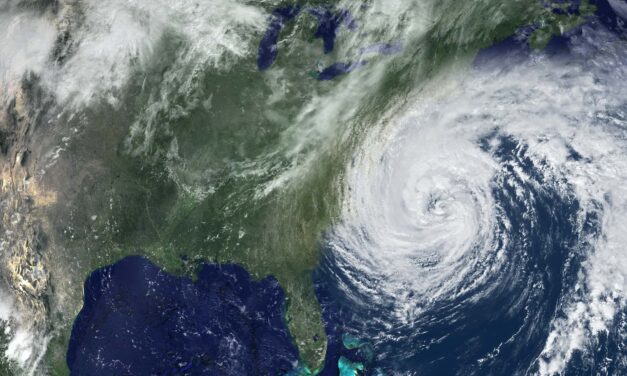
Researchers identified the factors that are most likely to create hazardous respiratory conditions inside homes after hurricane-related flooding.
Read More
Traffic-related air pollution can worsen respiratory symptoms during daily exercise for people with chronic lung disease.
Read More
NASA satellite-derived data can quantify particle pollution in the nearly 80% of US counties that lack ground-based monitors.
Read More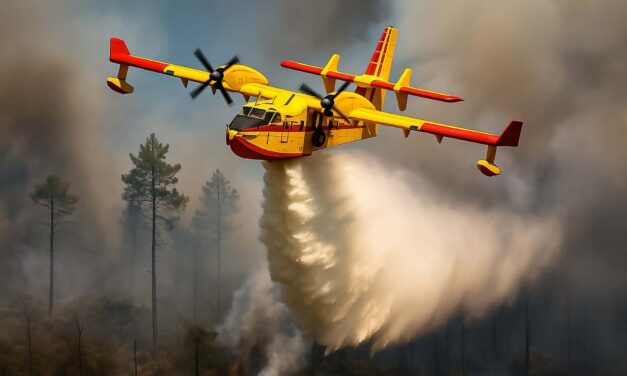
New research suggests COPD patients lack critical information and clinical guidance to manage respiratory risks during wildfire events.
Read More
On World No Tobacco Day, Lung Health Organizations urge countries to regulate tobacco product waste tied to plastic pollution and lung disease.
Read More
New research suggests that microplastic particles can bind to allergens and carry them deeper into the respiratory system.
Read More
Invisible ozone produced by wildfires contributes to more than 2,000 excess deaths each year among older adults in the US.
Read More
Exposure to fine particulate matter in the week before surgery is associated with higher rates of pneumonia, sepsis, and surgical wound infections.
Read More
A decade-long study shows a significant rise in respiratory infections caused by fungal spores released during intense wind and heat events in El Paso Texas.
Read More
The 2026 “State of the Air” report reveals that 82% of Californians live in areas with failing air quality grades for ozone or particle pollution.
Read More
New research suggests environmental air quality including air pollution plays a significant role in triggering migraine episodes.
Read More
Leading healthcare groups challenge the repeal of updated limits on toxic pollutants from power plants, citing risks to respiratory health and child development.
Read More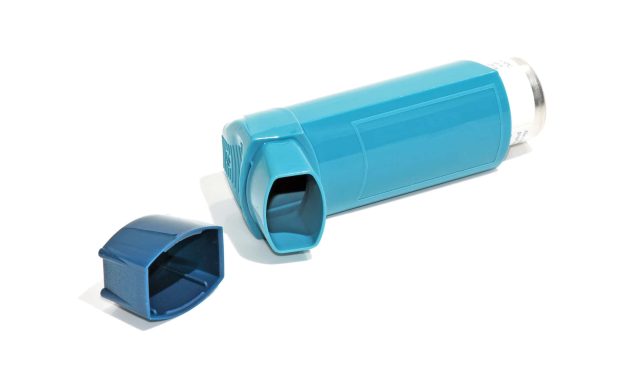
Reducing dampness through insulation and ventilation improvements can lead to measurable reductions in asthma treatments, particularly for pediatric populations.
Read More
UV filtration in heating, ventilation and air conditioning may affect environmental microbial diversity, leading to improvements in children’s asthma outcomes.
Read More
Dry powder and soft mist inhalers—which have a lower carbon footprint than metered-dose inhalers (MDIs)—were associated with slightly better clinical outcomes for COPD patients.
Read More
Veterans with chronic rhinosinusitis (CRS) who were exposed to burn pits and other toxins show a marked increase in sinus mast cells.
Read More
Aboard the International Space Station, bacteria-infecting viruses and their hosts accumulate distinctive mutations in near-weightlessness.
Read More