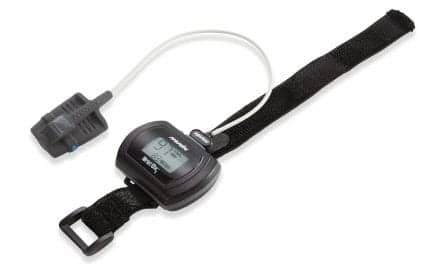

Masimo’s Patient SafetyNet is a supplemental remote monitoring and clinician notification system tied to significant improvements in patient survival and hospital efficiency.
RT’s Three Key Takeaways
- Enhanced Patient Survival: Research in a 1,200-bed facility found that patients connected to the supplemental monitoring system had 27% better odds of survival and 41% lower odds of cardiopulmonary arrest.
- Respiratory Depression Prevention: A 10-year study at Dartmouth-Hitchcock Medical Center reported zero preventable deaths due to opioid-induced respiratory depression among monitored patients.
- Operational Efficiency: The system automates data transfer to electronic medical records (EMR), which may reduce transcription errors and decrease the average length of stay by 0.4 days.
Masimo’s Patient SafetyNet, a supplemental remote monitoring and clinician notification system, has been linked to significant improvements in patient survival and hospital efficiency, according to the company.
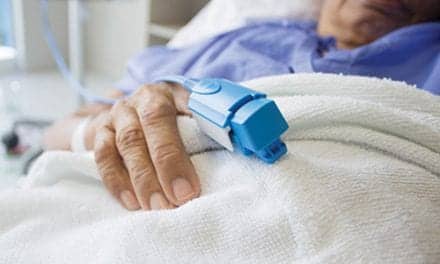
The system displays near real-time information from connected bedside devices at a central station and sends alerts directly to clinicians. This allows healthcare providers to monitor up to 500 patients from a single station, with configurable displays showing the status of up to 40 patients at a time.
In a study conducted at a 1,200-bed facility, the implementation of the monitoring platform was associated with a 27% increase in the odds of survival and a 41% reduction in the odds of suffering cardiopulmonary arrest, according to Masimo. Patients monitored by the system also saw a 0.4-day average reduction in their length of stay.
Research at Dartmouth-Hitchcock Medical Center in New Hampshire further supported these findings. After deploying the pulse oximetry and supplemental monitoring system across approximately 200 med-surg beds, the facility reported zero preventable deaths or brain damage due to opioid-induced respiratory depression over a 10-year period. The hospital also saw a 50% reduction in unplanned intensive care unit (ICU) transfers, and a 60% reduction in rapid response team activations.
“You can save patient lives, and keep them safe, using continuous monitoring—and having that system and monitoring all patients, all the time, actually can save a hospital money,” said Susan McGrath, director of patient surveillance research & development at Dartmouth-Hitchcock Medical Center.
The technology integrates with hospital Health Level Seven (HL7) admit discharge transfer (ADT) systems, allowing clinicians to associate patients with data via barcode scanning or drop-down lists. By automating the transmission of data to the electronic medical record (EMR), the system helps reduce the time clinicians spend on manual documentation.
For smaller institutions, the company offers a lite edition of the platform that does not require a dedicated physical or virtual server.
Source:
- https://respiratory-therapy.com/products-treatment/monitoring-treatment/patient-monitoring-products/products-2021-patient-monitoring/
- https://www.masimo.com/products/remote-monitoring/safetynet/