Experimental Monoclonal Antibody Improved ARDS Outcomes
A proof-of-concept study showed an experimental monoclonal antibody targeting ARDS inflammation increased ventilator-free days and reduced organ failure.


A proof-of-concept study showed an experimental monoclonal antibody targeting ARDS inflammation increased ventilator-free days and reduced organ failure.

A proof-of-concept study showed an experimental monoclonal antibody targeting ARDS inflammation increased ventilator-free days and reduced organ failure.
Read More
An immunoassay measured key inflammatory biomarkers and classified patients into two ARDS subtypes—hyperinflammatory and hypoinflammatory—within approximately one hour.
Read More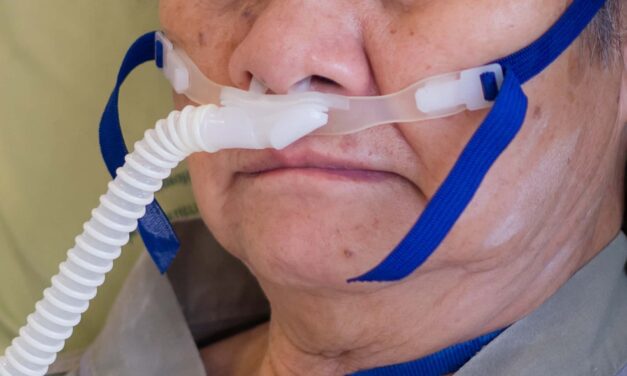
Compared to standard O2 therapy, high-flow nasal cannula did not lower mortality in in acute hypoxemic respiratory failure but may reduce the need for intubation, according to new data from the SOHO trial.
Read More
A case report suggests high doses of oxycodone in breastfeeding mothers can lead to apnea and bradycardia in newborns due to immature metabolic pathways.
Read More
Findings suggest that the endothelial gene ALOX15 gene protects against sepsis-induced lung injury.
Read More
Acute respiratory failure (ARF) and acute respiratory distress syndrome (ARDS) are critical conditions associated with high mortality. Current management strategies are evolving toward personalized care.
Read More
Ventilators managed by a computerized decision support (CDS) tool shortened the time children with respiratory failure spent on mechanical ventilation.
Read More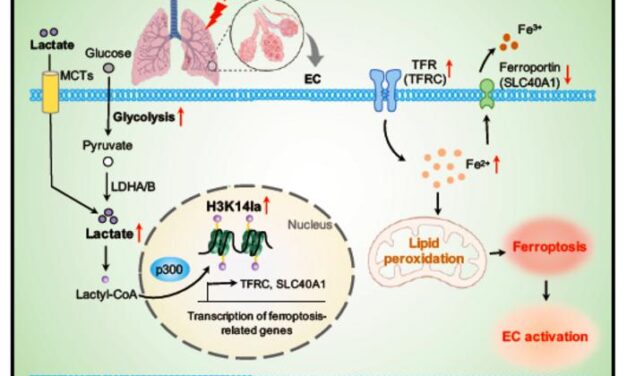
New insights reveal a key factor contributing to vascular injury and lung dysfunction in sepsis-induced ARDS.
Read More
Researchers have a new understanding of the link between this serious lung injury and the kind of inflammation that can lead to cardiovascular complications.
Read More
Researchers may have discovered a mechanical explanation for instability observed in the lungs in cases of acute respiratory distress syndrome, particularly in the aftermath of respiratory illnesses such as COVID-19 or pneumonia.
Read More
High-dose inhaled nitric oxide (iNO) therapy may improve oxygenation and reduce the risk of ARDS-related mortality among critically ill Black patients with COVID-19, according to a first-of-its-kind study published in the American Journal of Respiratory and Critical Care Medicine.
Read More
Researchers say different levels of sedation may explain disparities in deaths from respiratory failure.
Read More
An initial trial suggests invariant natural killer cell therapy improves survival.
Read More
Researchers say they have identified “robust” respiratory microbiome signatures associated with ARDS and HAP.
Read More
UTHealth Houston researchers were awarded a four-year, $3.4 million NIH grant to investigate molecular mechanisms and therapeutic treatments for acute respiratory distress syndrome.
Read More
Experts have proposed a new definition for acute respiratory distress syndrome, reflecting recent research and advancements in diagnosis and treatment.
Read More
A National Institutes of Health-supported study suggests that adults with obesity may benefit from the use of extracorporeal membrane oxygenation when in intensive care for respiratory failure.
Read More
The hope is that a drop of solution containing these nanocarriers, delivered to the lungs via the nose, could treat acute respiratory distress syndrome.
Read More
A new AACN Practice Alert summarizes expected clinical practice to reduce the risk of complications related to manual prone positioning.
Read More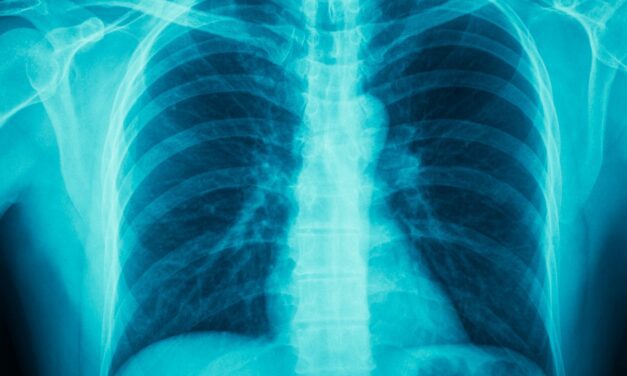
The researchers hope the projects will lead to new avenues for treatments to help patients with conditions like COPD, pulmonary fibrosis, and acute respiratory distress syndrome.
Read More
The C6 peptide inhibited the process that triggers uncontrolled inflammation and fluid buildup that can lead to ARDS.
Read More
A novel treatment for opioid-induced respiratory depression that administers electrical pulses to the back of the neck helped anesthetized patients undergoing neurosurgery regain respiratory control following high dosage opioid use.
Read More
Researchers assessed outcomes of INOmax inhaled nitric oxide for COVID-19 patients hospitalized with mild-to-moderate ARDS.
Read More
7% of the nation’s more than 3,000 lung transplants between Aug. 1, 2020, and Sept. 30, 2021 were performed to treat severe, irreversible lung damage caused by COVID-19.
Read More