Chest Wall Injury Solution Now Available
Chest Wall Innovations commercially launched its PC Fix Rib Fixation System, designed to treat patients suffering from traumatic chest injuries.

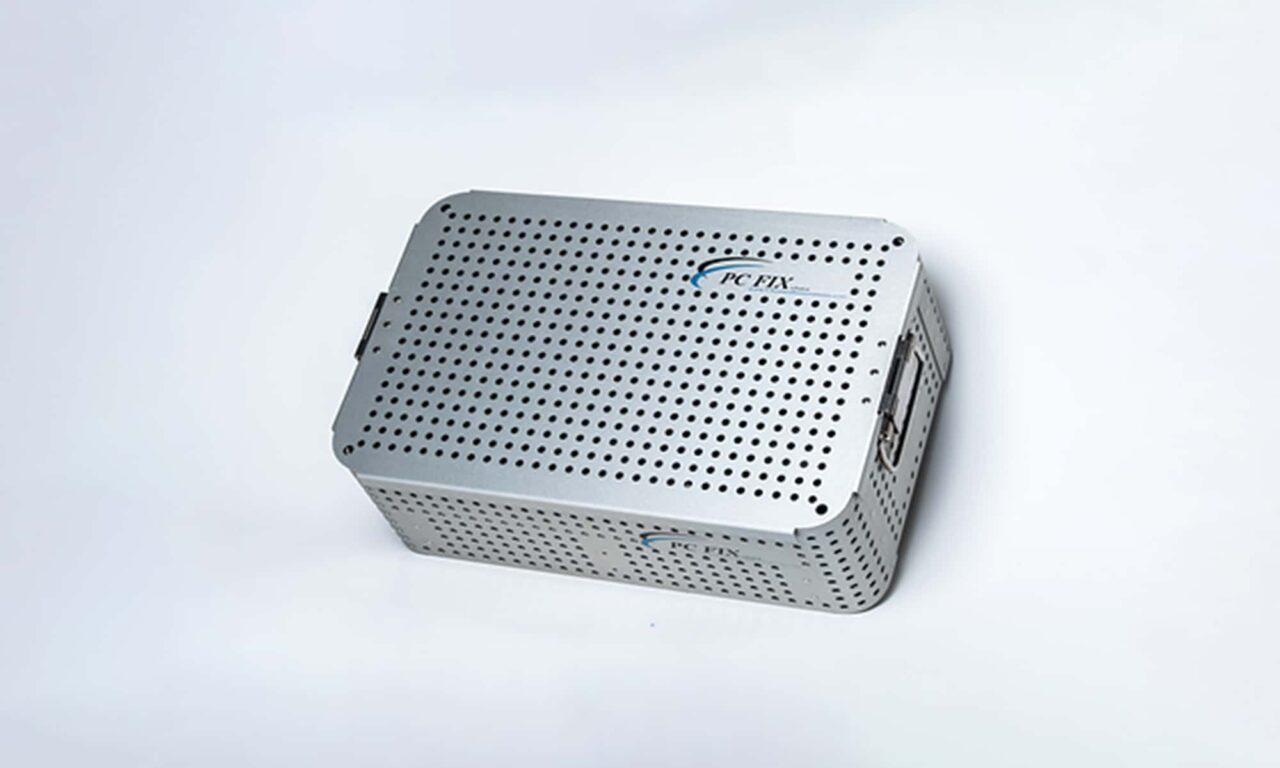
Chest Wall Innovations commercially launched its PC Fix Rib Fixation System, designed to treat patients suffering from traumatic chest injuries.
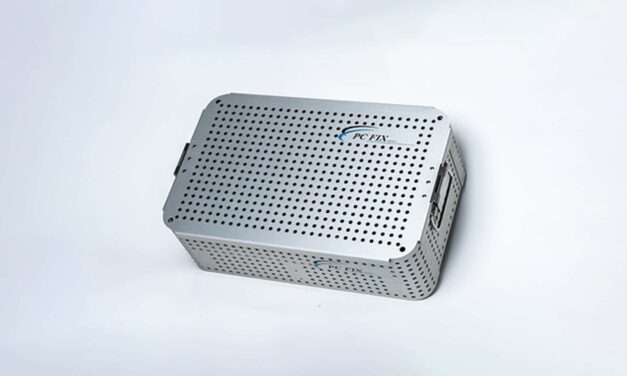
Chest Wall Innovations commercially launched its PC Fix Rib Fixation System, designed to treat patients suffering from traumatic chest injuries.
Read More
A national analysis warns that surgeon supply will fall short of patient demand, with thoracic surgery and rural healthcare delivery facing steep deficits.
Read More
There are 1,180 US counties without a general surgeon, and more than 15 million Americans reside in these areas.
Read More
UCLA Health combines biopsy, staging, and surgery into a single session to reduce delays and improve lung cancer patient outcomes.
Read More
The Society of Thoracic Surgeons (STS) appointed Justine Varieur Turco as its CEO and executive director, effective August 31, 2026.
Read More
Surgeons at Northwestern Memorial Hospital successfully transplanted a second set of lungs, a liver, and a kidney into a patient with cystic fibrosis and chronic organ rejection.
Read More
UT Southwestern Medical Center is the first healthcare provider in North Texas to offer single-port robotic-assisted thoracoscopic lobectomy, a minimally invasive procedure for select patients with early-stage lung cancer.
Read More
The minimally invasive surgical approach may allow high-risk or frail patients to become candidates for lung transplantation.
Read More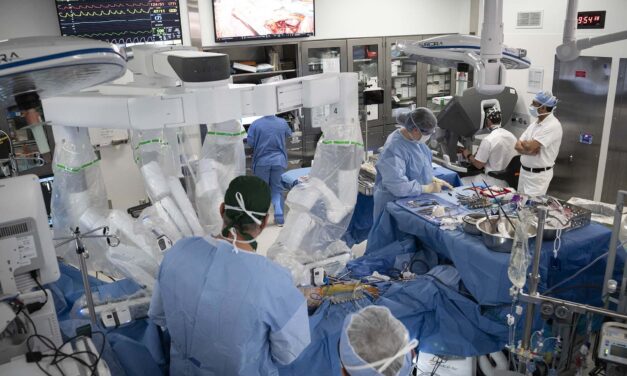
Surgeons used small incisions and robotic instruments instead of dividing the breastbone or ribs to reduce pain and accelerate patient recovery.
Read More
A new five-step anesthesia protocol increased the likelihood of positive dreams, which may help reduce patient fear and improve emotional recovery after surgery.
Read More
Recent updates to the national lung allocation system have not eliminated regional differences in donor availability.
Read More
UC San Diego Health successfully completed the first lung transplant for a patient with HIV in San Diego County.
Read More
A 28-year-old cystic fibrosis patient underwent a 36-hour quadruple organ transplant for both lungs, a liver, and a kidney from a single donor.
Read More
Implementing specific protocols for older surgical patients can reduce complications such as delirium, falls, and pneumonia.
Read More
A patient with advanced lung cancer and interstitial lung disease received a double-lung transplant through a clinical trial at Northwestern Medicine.
Read More
A Mayo Clinic study demonstrates that at-home monitoring provides actionable data and reduces the travel burden for post-transplant patients.
Read More
The PC Fix Rib Fixation Surgical System is designed to treat patients suffering from traumatic chest injuries.
Read More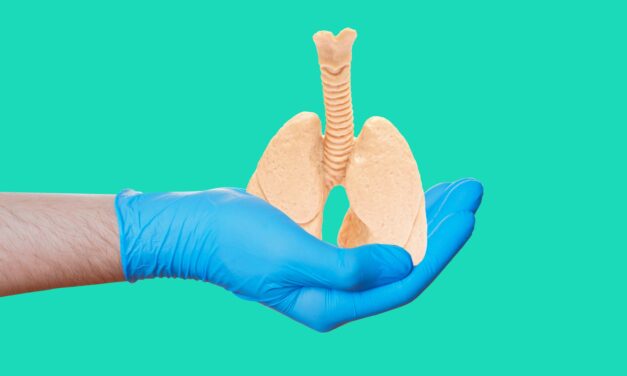
A Mayo Clinic study indicates that home monitoring kits can identify early complications and reduce travel burdens for transplant recipients.
Read More
New research indicates that baseline lung health is a stronger predictor of SARS-CoV-2 outcomes in cystic fibrosis transplantation patients than the time elapsed since transplantation.
Read More
The Cedars-Sinai Comprehensive Transplant Center and the Smidt Heart Institute at Cedars-Sinai completed 677 solid organ transplants in 2025, setting several new institutional records in liver and lung transplant.
Read More
Chronic organ rejection may be triggered by the disruption of lymphatic vessels from the donor organ rather than an attack by the patient’s immune system.
Read More
Pleurectomy/decortication, a lung-sparing surgery, can be performed safely with low mortality in carefully selected patients with pleural mesothelioma.
Read More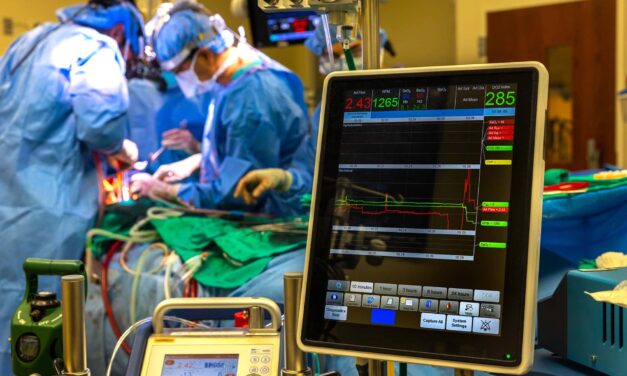
A case study documents how a “total artificial lung” (TAL) system temporarily supported a critically ill patient for 48 hours as part of a successful double-lung transplant.
Read More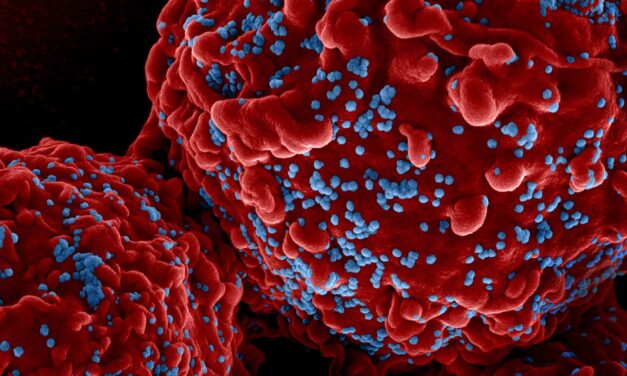
Lung transplantation in people with HIV may be feasible yet CD4 counts can temporarily drop under 200 during transplant evaluation.
Read More