A study found that recent updates to the national lung allocation system have not eliminated regional differences in donor availability and lung transplant access.
RT’s Three Key Takeaways:
- Regional Disparities: Researchers found that effective donor availability in the West Census region is approximately 30% lower than in the Midwest, despite recent updates to the national allocation system.
- Proximity Policy Impact: Modeling of a recent policy amendment suggests that increasing the weight of geographic proximity further reduces donor access across all regions and may displace nearly 24% of the highest-priority candidates.
- Biological Matching Barriers: The study indicates that patients with difficult-to-match biological features, such as blood type O, face greater de-prioritization under policies that emphasize donor-candidate distance.
A new study from Cleveland Clinic and Case Western Reserve University found that geographic location remains a significant factor in access to donor lungs in the US, even after updates to the national lung allocation system.
The research, published in CHEST, analyzed the lung Composite Allocation Score (CAS), which prioritizes candidates based on medical urgency, post-transplant survival, and biological compatibility. Investigators also modeled a recent policy amendment that increases the weight of geographic efficiency by prioritizing donor-candidate proximity in transplant candidate ranking.
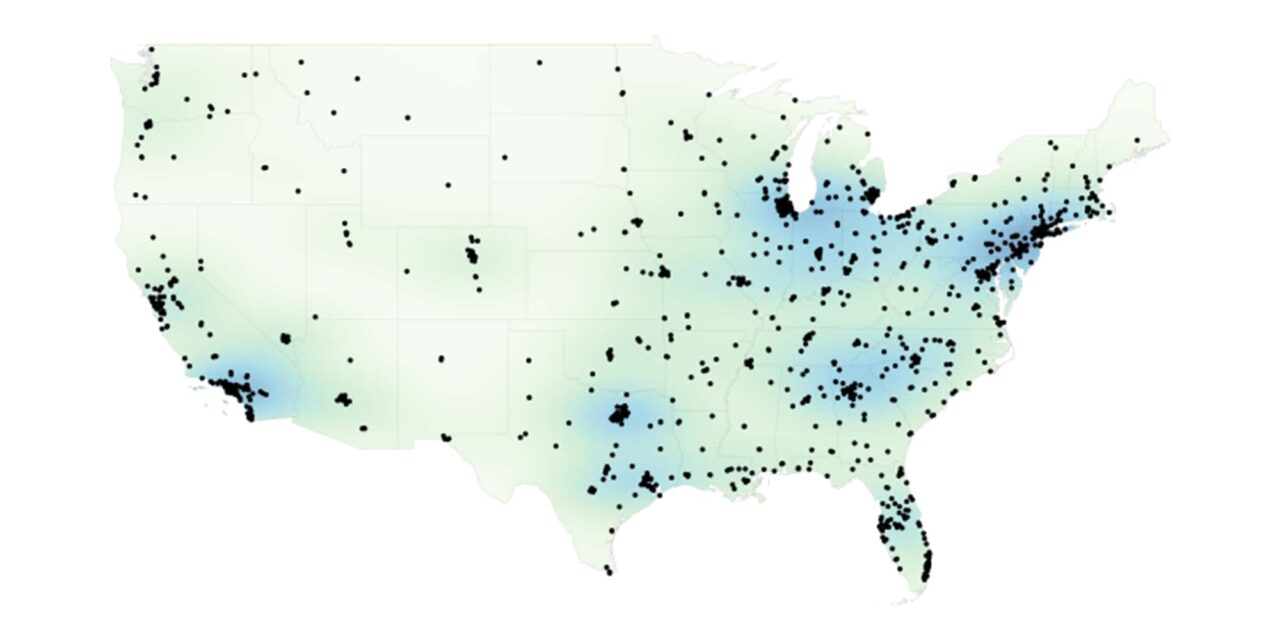
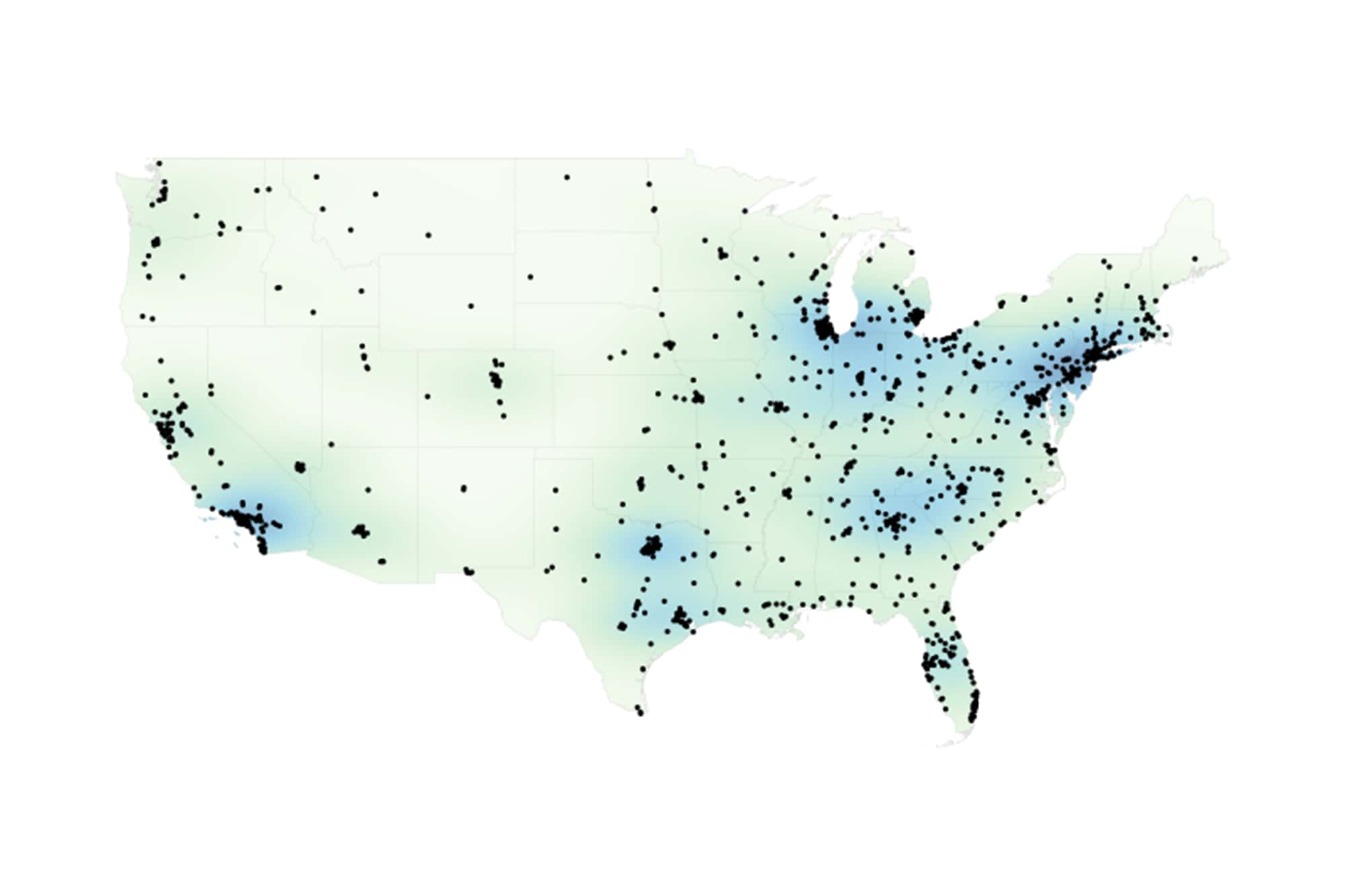
Using data from the Scientific Registry of Transplant Recipients (SRTR), investigators analyzed 3,917 adult lung transplant candidates at 61 US transplant centers. The analysis revealed substantial regional differences, with lower effective donor availability in the western US compared to parts of the Midwest and South.
“Our analysis found that access to donor lungs continues to vary across the country,” said Maryam Valapour, MD, director of lung transplant outcomes at Cleveland Clinic, in a news release. “The study also found that placing greater emphasis on how close a patient is to a donor hospital may make it harder for some patients to receive compatible donor lungs. This is important because while lung transplants have been increasing, there is still a shortage of organs, and more people are added to the wait list every day.”
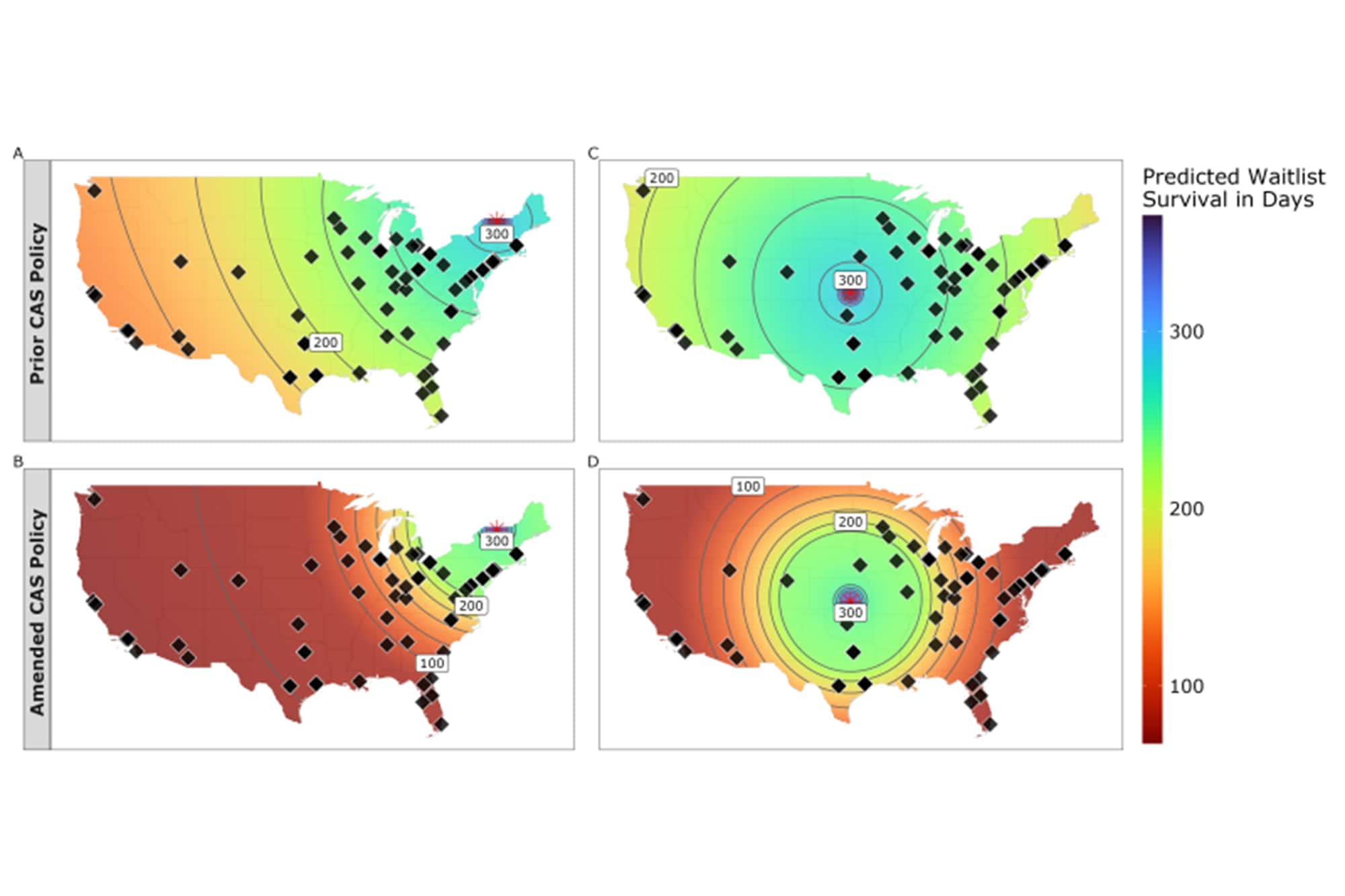
The study utilized a metric called “distance-adjusted donor availability” to estimate the pool of compatible donors after accounting for distance weighting. Findings showed that transplant centers in the West Census region experienced 30% lower effective donor availability than those in the Midwest.
When modeling the amended policy that prioritizes proximity, researchers found the change would further reduce donor availability across all regions and widen existing geographic gaps. A “match-run” analysis showed that 23.9% of candidates ranked in the top 10 positions under the previous CAS policy fell out of the top 10 under the amended rules. According to the study, this suggests that the most critically ill patients may not receive the first offers for donor lungs depending on their location.
Additionally, the study found that candidates with biological features that make matching difficult, such as those with blood type O, experienced the greatest level of de-prioritization under the proximity-based amendment.
“Although the national lung allocation system has evolved in recent years, our findings suggest meaningful regional differences in donor access remain,” said Jarrod Dalton, PhD, director of the center for populations healthcare research at Cleveland Clinic, in a news release. “The study also found that changes increasing the importance of geographic proximity may have a greater effect on patients with fewer compatible donor options.”