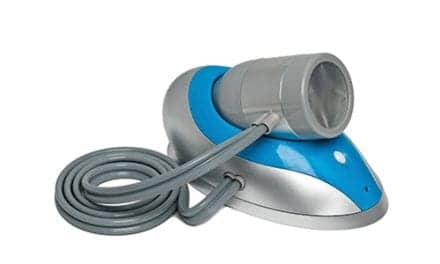
A national survey shows that while most laboratories use oscillometry technology, lack of standardized guidelines and high costs limit its growth.
RT’s Three Key Takeaways:
- Adoption Rates: A national survey of 106 lung function laboratories in the United Kingdom (UK) found that 62% currently use oscillometry in clinical practice.1
- Patient Applications: The technology is most frequently utilized for patients with asthma, COPD, and pediatric conditions.1
- Growth Obstacles: Healthcare professionals identified the lack of reference values, limited clinical guidelines, and equipment costs as the primary barriers to wider implementation.1
A national survey of lung function laboratories in the UK indicates that 62% of facilities now utilize oscillometry, though significant barriers to wider adoption persist, according to a study published in BMJ Open Respiratory Research.1
The research, which gathered data from 106 laboratories, found that oscillometry is primarily used for patients with asthma, COPD, and in pediatric settings. Unlike spirometry, which requires forceful breathing maneuvers that can be difficult for some patients, oscillometry measures lung mechanics through small pressure oscillations during normal tidal breathing.1
Of the laboratories currently using the technology, 86% reported using it for asthma, 47% for COPD, and 44% for pediatric patients. The study noted that the technique is particularly valuable for individuals who cannot perform the forced expiratory maneuvers required for traditional tests, such as young children or the elderly.1
Despite the current level of use, only 16% of the 106 surveyed labs reported using oscillometry for more than 10 patients per week. This suggests that while the equipment is present in many facilities, it is not yet a primary tool for routine testing across all patient populations.1
The survey identified several factors preventing oscillometry from becoming a standard of care in UK respiratory medicine. Approximately 74% of respondents cited a lack of standardized reference values as a major challenge. Reference values are essential for clinicians to compare a patient’s results against a healthy population.1
Other significant hurdles included:1
- Lack of clear clinical guidelines (68%)
- High cost of equipment (48%)
- Insufficient evidence for its clinical utility (39%)
The study authors noted that there is significant interest in expanding the use of the technology. Among laboratories that do not currently own oscillometry equipment, many expressed a desire to acquire it if the mentioned barriers were addressed.1
The findings suggest that for oscillometry to reach its full potential in healthcare settings, there is a need for better standardization of measurements, updated clinical protocols, and more accessible pricing for diagnostic hardware. Professionals in the field indicated that overcoming these obstacles could improve diagnostic options for patients who struggle with conventional lung function tests.1
Reference
- Geeves ME, Hughes MJ, Griffin HS, Sylvester KP, Saynor ZL. Current use and future potential of oscillometry in UK lung function testing: a national survey. BMJ Open Respiratory Research. 2026;13:e003786. https://doi.org/10.1136/bmjresp-2025-003786.