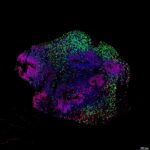
Researchers found that specific T cells in the lungs provide long-lasting defense against viruses, bacteria, and fungi.
RT’s Three Key Takeaways:
- Lung Immune Reservoir: Human lung tissue contains a reservoir of tissue-resident memory T cells that provide a local defense against a wide range of respiratory pathogens.
- Long-Term Persistence: These immune cells can remain in human lung tissue for years to provide durable immunity, though they are not detectable in standard blood samples.
- Vaccine Development: Future vaccine research may need to focus on boosting these lung-specific T cells to achieve more effective and longer-lasting protection against severe respiratory infections.
Scientists at the La Jolla Institute for Immunology (LJI) and the University of Liverpool have identified an immune cell population in human lung tissue that defends against viral, bacterial, and fungal infections, according to a study published in Nature Immunology.
The research indicates that human lung tissue serves as a “reservoir” for a large number of tissue-resident memory T cells (TRM cells). These cells are prepared to combat various pathogens, including viruses, bacteria, and fungal infections, according to the study.
“This study highlights the power of investigating immune cells from humans,” said Pandurangan Vijayanand, LJI William K Bowes distinguished professor, in a news release.
Researchers found that these TRM cells reside exclusively in the lungs and do not appear in blood samples. While these cells can live for years in human lung tissue, they do not persist in mice, which are a common model in preclinical research, according to the study.
Specialization of Lung Defense
T cells specialize to respond to specific molecular markers of disease, known as antigens. A T cell targeting SARS-CoV-2, for instance, cannot target an influenza virus infection. TRM cells further specialize by adapting to defend a specific type of tissue.
The study examined more than 87,000 lung TRM cells from 40 human participants ranging in age from 61 to 83. This age range allowed scientists to observe how lifelong exposure to pathogens and past vaccines shaped the immune cells in the lungs, according to the news release.
Researchers discovered that many participants had TRM cells ready to respond to five common respiratory viruses: influenza type A, SARS-CoV-2, parainfluenza virus, respiratory syncytial virus, and metapneumovirus. The study also identified T cells targeting two herpesviruses—cytomegalovirus and Epstein Barr virus—as well as Bordetella pertussis, the bacterium that causes whooping cough.
Some participants also possessed TRM cells that could respond to Aspergillus fumigatus, a common fungus that can cause life-threatening infections in patients who are immunocompromised.
Implications for Vaccine Research
The findings suggest that vaccine researchers may need to examine lung T cells instead of relying solely on blood samples to understand how to boost immunity within the respiratory healthcare system, according to the news release.
“An important next step is to study how vaccination impacts TRM cells in the lungs,” said Vijayanand, LJI William K Bowes distinguished professor, in a news release. “We need to assess more samples, including samples from donors who recently received vaccines.”
Because TRM cells undergo quick attrition in mouse lungs but remain in human lungs for years, the study authors suggested that future preclinical vaccine studies should look more closely at human lung tissue samples.