October is RSV Awareness Month, and the American Lung Association is promoting an educational initiative highlighting the threat of severe illness and hospitalization in older Americans.
RT’s Three Key Takeaways:
- Low Vaccination Rates: Only 43% of adults aged 75 and older and 33% of high-risk adults aged 50 to 74 reported ever receiving an RSV immunization as of February 2026, according to the American Lung Association.
- Severe Disease Burden: The virus leads to an estimated 180,000 hospitalizations annually among adults aged 50 and older and contributed to as many as 25,000 deaths across all age groups during the 2025-2026 season, according to data cited by the association.
- Single-Dose Guidance: Current federal guidance advises eligible individuals to receive a single dose rather than an annual immunization, which can be administered alongside influenza and COVID-19 vaccines during the same clinical visit.
The American Lung Association announced an educational campaign encouraging older adults and individuals with pre-existing conditions to consult their healthcare providers regarding immunization against respiratory syncytial virus (RSV), according to an organization news release.
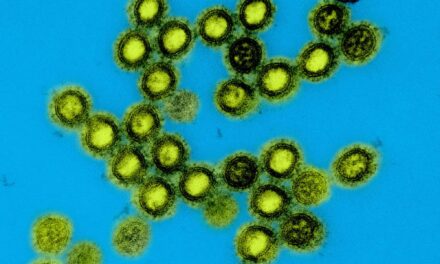
RSV is a highly contagious pathogen that spreads widely during the fall and winter months, capable of infecting individuals across all age brackets, the organization reported. While most infections manifest with mild symptoms, the virus can produce severe clinical complications in older demographics and infants, including pneumonia, worsening of heart failure, and exacerbation of chronic respiratory illnesses such as asthma and COPD. In older adults, severe illness can reduce overall quality of life and lead to a loss of functional independence because of persistent symptoms that impair daily activities, the association stated.
“RSV poses a significant public health burden in the US. Unfortunately, each year, the disease leads to an estimated 180,000 hospitalizations among adults ages 50 and older. During the 2025-26 season, RSV contributed to as many as 25,000 deaths across all ages,” said Harold Wimmer, president and chief executive officer of the American Lung Association, in a news release. “Heading into the holiday season, it is critical for older adults and people living with chronic lung disease to take steps to protect themselves from RSV, including by discussing RSV vaccination with a healthcare provider.”
At-Risk Demographics and Immunization Protocols
According to the release, adults facing elevated risk for severe RSV complications include those aged 75 and older, nursing home residents, individuals with compromised immune systems, and patients diagnosed with chronic heart or lung conditions, such as COPD, asthma, interstitial lung disease (ILD), and congestive heart failure.
Current recommendations from the Centers for Disease Control and Prevention (CDC) advise a single dose of the RSV vaccine for eligible adult patients. The organization noted that the shot is not an annual vaccine; individuals who have already received one dose in a previous year should not receive a second dose at this time. However, eligible adults may obtain the vaccination at any point during the year, and clinicians may co-administer RSV, influenza, and COVID-19 vaccines during a single visit based on clinical availability, according to the release.
Coverage Gaps in Vulnerable Populations
Vaccine uptake remains low across target populations, with many vulnerable individuals having never discussed immunization options with a healthcare clinician, the association reported. As of Feb. 22, 2026, only 43% of adults aged 75 and older and 33% of adults aged 50 to 74 with high-risk conditions reported ever receiving an RSV vaccine, leaving significant portions of the eligible population unprotected. The association also highlighted that Hispanic and Latino adults experience disproportionately lower vaccination rates.
To address these deficits ahead of the viral respiratory season, the American Lung Association is urging clinicians and at-risk patients to discuss recommended respiratory immunizations to prevent avoidable hospitalizations and severe morbidity.