High-dose Flu Vaccine Cuts Senior Hospitalizations
A high-dose vaccine reduced hospital admissions for flu or pneumonia by nearly 9% among older individuals with chronic respiratory conditions like asthma and COPD.


A high-dose vaccine reduced hospital admissions for flu or pneumonia by nearly 9% among older individuals with chronic respiratory conditions like asthma and COPD.

A high-dose vaccine reduced hospital admissions for flu or pneumonia by nearly 9% among older individuals with chronic respiratory conditions like asthma and COPD.
Read More
The discovery of sorting nexin 5 provides insight into how the body signals infection and manages tissue damage.
Read More
The collaboration will focus on a point-of-care testing platform designed to detect tuberculosis from respiratory and blood samples.
Read More
A TB blood test identifies a bacterial marker to distinguish between active and latent tuberculosis infections.
Read More
New research indicates tuberculosis drains 0.8% of the world’s economic potential annually, disproportionately affecting low- and middle-income countries.
Read More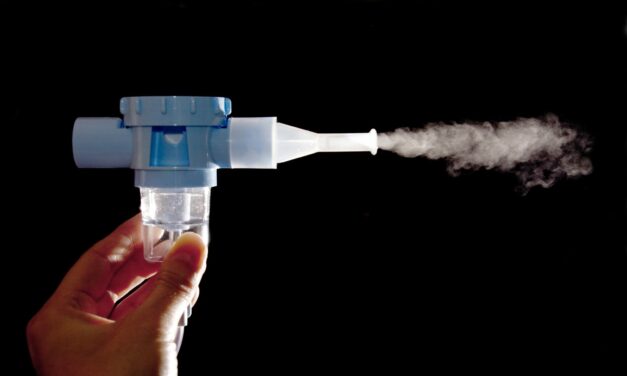
A new delivery system allows four standard tuberculosis medications to be inhaled directly into the respiratory tract, potentially reducing side effects and improving treatment adherence.
Read More
Even after successful treatment completion, tuberculosis patients experience higher rates of death from respiratory and cardiovascular causes.
Read More
On World Tuberculosis Day, March 24, a test developed by UC Davis Health could soon speed up diagnosis and help prevent its spread.
Read More
Tuberculosis-causing mycobacteria stiffen cell membranes to avoid destruction, but the discovery opens new pathways for treatment.
Read More
UTSW researchers’ discovery of immune cell activation could lead to prevention tools for tuberculosis and other diseases.
Read More
A study in Brazil found that a 30-day daily TB preventive therapy regimen was as safe and effective as the standard 90-day weekly regimen.
Read More
Tuberculosis (TB) precision medicine may shorten therapy by using clinical phenotypes to guide stratified treatment with monitoring.
Read More
Latent or concurrent infections—especially Epstein-Barr virus and tuberculosis—may drive persistent symptoms in a subset of long COVID patients.
Read More
A new compound that kills tuberculosis bacteria by inhibiting ATP synthase at a different site than existing drugs like bedaquiline.
Read More
An investigational mRNA vaccine protected mice better than the century-old TB vaccine—limiting infection and slowing disease spread.
Read More
A new compound could offer a breakthrough in the global fight against tuberculosis, history’s deadliest infectious disease.
Read More
Some patients with pre-extensively drug-resistant TB benefitted from shorter, simpler regimens.
Read More
A smartphone-sized, battery-powered lab-in-tube assay (LIT) provides a cost-effective tool that can improve TB diagnoses, particularly in resource-limited rural areas.
Read More
An international clinical trial has found three new safe and effective drug regimens for tuberculosis that is resistant to rifampin, the most effective of the first-line antibiotics used to treat TB.
Read More
Now in use at all Mass General Brigham sites, the tool helps clinicians assess whether infection control precautions can be discontinued.
Read More
A tuberculosis outbreak that has infected 67 people in the greater Kansas City metro area is the largest in US history, according to Kansas Dept of Health and Environment.
Read More
The test uses a molecular diagnostic platform to detect Mycobacterium tuberculosis DNA in blood samples.
Read More
The latest clinical practice guidelines advocate for four- and six-month all-oral regimens for eligible children and adults with drug-susceptible or drug-resistant tuberculosis.
Read More
Antibiotics in tuberculosis patients can be accurately monitored through a fingerprint sweat test, offering a less invasive alternative to blood tests, research finds.
Read More