Cash Rewards Doubled Smoking Cessation Rates
Offering financial incentives of up to $600 nearly doubled smoking cessation rates among medically underserved adults undergoing lung cancer screening.

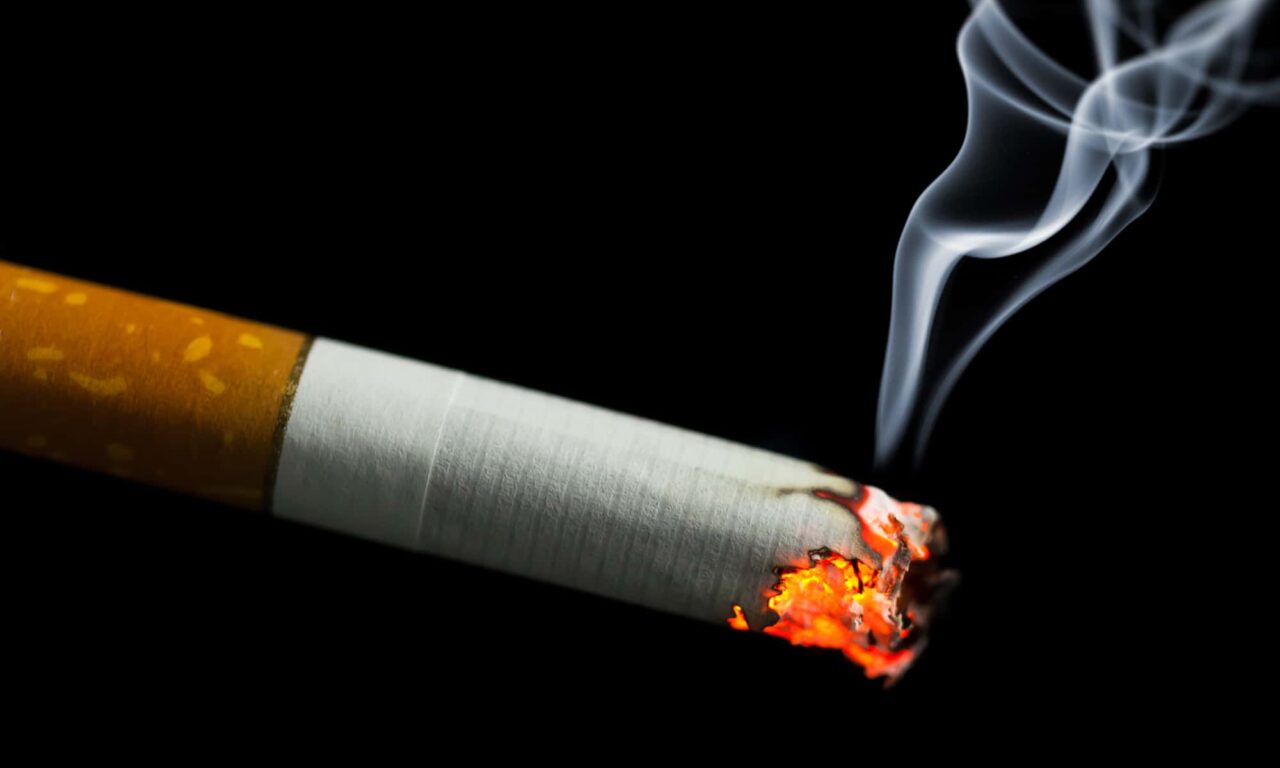
Offering financial incentives of up to $600 nearly doubled smoking cessation rates among medically underserved adults undergoing lung cancer screening.

Offering financial incentives of up to $600 nearly doubled smoking cessation rates among medically underserved adults undergoing lung cancer screening.
Read More
Adults with sickle cell disease who actively smoke cigarettes or cigars are nearly three times as likely to experience advancing sickle cell retinopathy compared to nonsmokers.
Read More
More than 11% of adults aged 65 and older who used cannabis in the past year met clinical criteria for cannabis use disorder, with nearly a quarter presenting with moderate or severe cases.
Read More
E-cigarette aerosols combining menthol and nicotine produced stronger physiological responses and higher blood metabolite levels in animal models.
Read More
Adults with drug-resistant epilepsy who consume cannabis frequently develop medication resistance faster and experience more convulsive episodes.
Read More
The new VA/DoD recommendations name varenicline and combination nicotine replacement therapy as preferred treatments for tobacco use cessation.
Read More
An analysis from the World Health Organization shows raw tobacco leaf cultivation is increasing across Africa as cigarette imports double.
Read More
A new summary from the World Health Organization warns that tobacco use can negatively impact fertility outcomes worldwide.
Read More
Smoking is not a social habit and leads to increased loneliness, according to a Europe-wide study presented at ERS 2026.
Read More
Correcting misconceptions about tobacco sales restrictions could build community support and advance respiratory health initiatives.
Read More
While traditional cigarette smoking has dropped, overall nicotine exposure is shifting toward alternative products such as e-cigarettes, with youth starting at earlier ages.
Read More
Early exposure to e-cigarette vapor may alter the brain’s reward system well into adulthood, according to new research.
Read More
Ninety-seven percent of the 246,000+ public comments sent to the FDA before it withdrew a proposed menthol cigarette ban were non-unique form letters, and half traced back to Big Tobacco.
Read More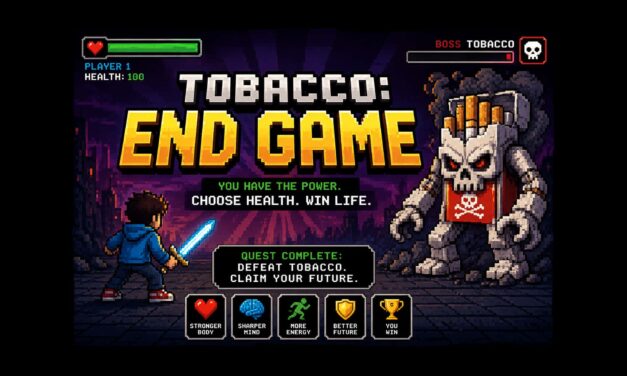
The ERS is urging European countries to adopt “tobacco endgame” policies to permanently reduce tobacco use and end the epidemic.
Read More
Nicotine exposure, including from e-cigarettes and pouches, may heighten the risk of anxiety and depression in teens, particularly in girls.
Read More
Specialized support from healthcare professionals significantly reduces smoking relapse rates in the year following childbirth.
Read More
The latest round of products brings the total number of FDA-authorized flavored nicotine pouches to 43.
Read More
A new paper in JAMA provides the first US recommendations for clinicians on integrating nicotine e-cigarettes into smoking cessation plans.
Read More
A Rutgers Health study indicates that capping nicotine levels could eliminate smoking disparities and provide a trillion-dollar boost to the US economy.
Read More
New research shows physical activity reduces cravings and daily cigarette use, offering a low-cost tool for respiratory health.
Read More
Veterinarians discussing the risks of secondhand smoke to animals could serve as a motivator for human smoking cessation.
Read More
A systematic review of 17 clinical trials found that smokers did not inhale more or smoke more cigarettes when using low-nicotine products.
Read More
There are now 30 flavored nicotine pouch products authorized for sale by the FDA, but some health organizations have expressed concerns for potential youth adoption.
Read More
Secondhand tobacco smoke increased sleep interruptions in pediatric patients, even when traditional apnea measures remain unchanged.
Read More