
Adults with drug-resistant epilepsy who consume cannabis frequently develop medication resistance faster and experience more convulsive episodes.
RT’s Three Key Takeaways:
- Increased Seizure Frequency: Adults with drug-resistant epilepsy who used cannabis most days experienced more than twice as many convulsive seizures per year compared to nonusers.
- Accelerated Drug Resistance: Frequent cannabis users required specialized inpatient monitoring an average of five years after seizure onset, compared with 18 years for nonusers, signaling faster resistance to anti-seizure medications.
- THC Versus CBD Differences: While the FDA has approved purified cannabidiol containing no tetrahydrocannabinol for specific seizure disorders, high-potency recreational cannabis rich in tetrahydrocannabinol may alter neural signaling circuits rather than protect them.
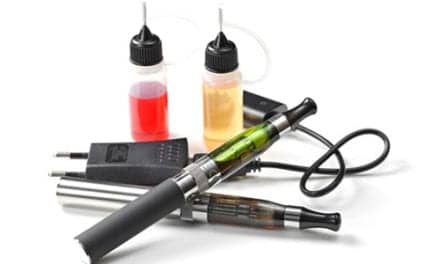
Adults with hard-to-treat epilepsy who used cannabis most days had more than twice as many convulsive seizures per year and became resistant to antiseizure medications years sooner than nonusers, according to research published in Epilepsia.
The study examined 64 adults with drug-resistant epilepsy—defined as seizure activity uncontrolled by two or more antiseizure medications—who were admitted to a specialized inpatient epilepsy monitoring unit between 2019 and 2024 at the University of Wisconsin School of Medicine and Public Health. Clinicians evaluate patients in these units in real time to evaluate whether surgical intervention or medication adjustments are required.
Among the cohort, roughly one-third reported recreational cannabis use on 20 or more days per month. The researchers found that 90% of these frequent users experienced convulsive seizures, including grand mal or generalized tonic-clonic seizures, which carry the highest risks of bodily injury and sudden unexpected death in epilepsy. In contrast, approximately half of nonusers did not experience these convulsive seizure types.
“There isn’t definitive data that cannabis use worsens epilepsy,” said Aaron F Struck, MD, an associate professor of neurology at WashU Medicine and the study’s senior author, in a news release. “But if someone is using cannabis to help with anxiety or sleep, I’d prefer to treat those problems with drugs we understand rather than something largely unregulated whose impact on the brain we don’t really know.”
Accelerated Disease Progression
When researchers compared 22 frequent recreational users with 42 nonusers, a distinct patient profile emerged. Frequent users were predominantly men in their 20s who lacked typical epilepsy risk factors and whose seizure frequency accelerated rapidly from onset to inpatient admission.
On average, frequent cannabis users arrived at the inpatient epilepsy monitoring unit just five years after their initial seizure, whereas nonusers arrived an average of 18 years following their first seizure. Despite having lived with the disease for a substantially shorter duration, frequent users were discharged on a higher number of antiseizure medications.
Although the study design cannot definitively establish direct causation between cannabis use and epilepsy severity, the authors noted that in all 15 frequent users with verifiable timelines, cannabis consumption began prior to the onset of their first seizure. This finding reduces the likelihood that patients initially turned to cannabis to self-medicate preexisting symptoms.
“I was seeing patients with horrible seizures, really severe epilepsy, who didn’t have any of the expected risk factors,” said Struck, who also serves as the endowed chair in epilepsy at Barnes-Jewish Hospital, in a news release. “The one thing they had in common was frequent, high-potency cannabis use. It’s an uncontrolled variable that was appearing more and more in my practice, and nobody had really studied it.”
Evaluating Cannabinoid Compounds and Brain Function
The clinical effects of recreational cannabis differ markedly from medical formulations approved by the FDA. While the FDA has approved a purified form of cannabidiol (CBD) to manage select severe epilepsy syndromes, that formulation contains no tetrahydrocannabinol (THC). In animal models, CBD suppresses seizures, whereas THC can trigger opposite effects. In recent years, commercially available recreational cannabis has demonstrated rising concentrations of THC and declining proportions of CBD.
Severe epilepsy typically results in visible scarring across the hippocampus, a brain region integral to memory where focal seizures frequently originate. In this study, however, brain imaging among frequent cannabis users showed largely normal hippocampal structures. Because THC targets receptors concentrated within those regions, the authors suggested that seizure escalation in these patients may stem from disrupted neural circuit firing rather than structural tissue scarring.
The research team is now planning a larger multicenter investigation across regions with varying legalization policies, modes of intake, and consumption habits. To strengthen clinical data, the upcoming studies will incorporate objective intake screening upon healthcare admission rather than relying exclusively on patient self-reporting.
“Right now, the honest answer when a patient asks whether their cannabis use is affecting their seizures is that we’re not sure,” said Santiago Philibert-Rosas, MD, a researcher in Struck’s laboratory and the study’s first author, in a news release. “Larger studies will help us give them a real answer — how much matters and whether stopping helps — so they can make an informed decision.”