RSV Monoclonal Antibodies Highly Effective in Infants
Global analysis of more than 60,000 RSV viral sequences reveals that resistance to monoclonal antibodies remains rare.


Global analysis of more than 60,000 RSV viral sequences reveals that resistance to monoclonal antibodies remains rare.

Global analysis of more than 60,000 RSV viral sequences reveals that resistance to monoclonal antibodies remains rare.
Read More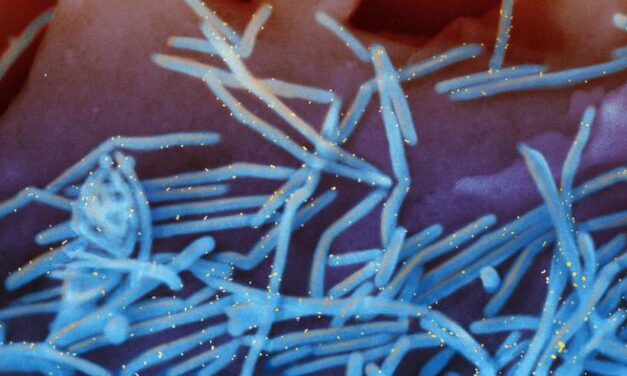
Recent advances in maternal vaccines and long-acting monoclonal antibodies have broadened the scope of RSV prevention, but questions remain.
Read More
For RSV awareness month (October), the American Lung Association is spotlighting new data that show a dramatic decrease in RSV-related hospitalizations among infants.
Read More
Researchers examined the effectiveness of nirsevimab during the 2024–2025 RSV season using a large, multi-institutional dataset.
Read More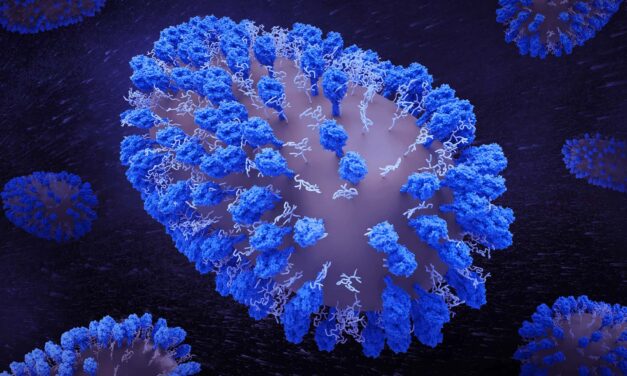
Beyfortus is a long-acting monoclonal antibody approved for the prevention of RSV lower respiratory tract disease in newborns and infants born during or entering their first RSV season, and for children up to 24 months of age who remain vulnerable to severe RSV disease through their second RSV season.
Read More
A single dose of nirsevimab was effective in reducing visits to the ED for all-cause bronchiolitis by 55.4%, as well as reducing the risk of hospital admission for RSV bronchiolitis by 87.6%.
Read More
Timing nirsevimab administration to coincide with RSV seasonal outbreaks is important for infant immunization because the antibody’s effectiveness waned after three months.
Read More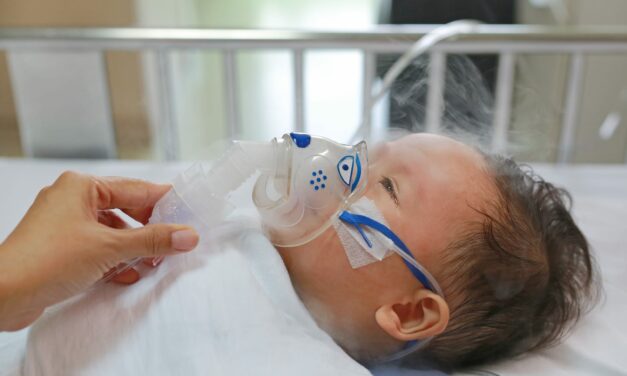
Researchers have created a new tool to identify newborns at the highest risk for severe RSV, enhancing the prioritization of immunoprophylaxis during shortages.
Read More
CDC data show that nirsevimab was highly effective in protecting infants from hospitalizations associated with respiratory syncytial virus.
Read More
AstraZeneca and Sanofi’s Beyfortus (nirsevimab), a long-acting monoclonal antibody, has been approved in China for the prevention of respiratory syncytial virus (RSV) lower respiratory tract infection (LRTI) in neonates and infants entering or during their first RSV season.
Read More
The US CDC has issued advice for healthcare providers to navigate the shortage of nirsevimab (Beyfortus), used to immunize infants from RSV.
Read More
Sanofi issued an advisory to notify healthcare providers and consumers of a “unprecedented” and “higher than anticipated” demand for its recently-approved RSV monoclonal antibody, nirsevimab-alip (Beyfortus).
Read More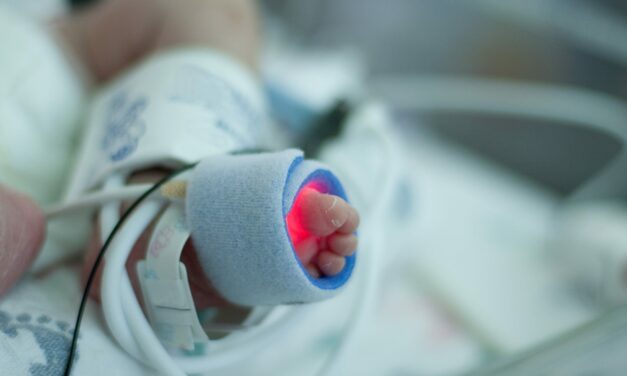
A CDC-supported study found the majority of infants admitted to the intensive care or high acuity unit for RSV during fall 2022 were previously healthy and born at term.
Read More
CDC is recommending the novel RSV vaccine Beyfortus (nirsevimab, Sanofi and AstraZeneca) starting this fall to help protect all infants under 8 months and some older babies at increased risk of severe illness caused by respiratory syncytial virus.
Read More
The single-dose antibody drug can be used in babies during their first RSV season and children up to 24 months of age who remain vulnerable to severe RSV disease through their second RSV season.
Read More
FDA panel favors approval for two RSV vaccines, ‘Tripledemic’ hits US households, and a monoclonal antibody may be ready for next season—here are five RSV stories you should check out this week.
Read More
The FDA has accepted for review AstraZeneca’s biologics license application for nirsevimab for the prevention of RSV lower respiratory tract disease in newborns and infants entering or during their first RSV season, and for children up to 24 months of age who remain vulnerable to severe RSV disease through their second RSV season.
Read More
The investigational long-acting monoclonal antibody Nirsevimab showed 74.5% efficacy against medically attended lower respiratory tract infections caused by RSV in healthy infants.
Read More