Early Screening, Targeted Treatments Improve Lung Cancer Survival
Catching lung cancer early enables surgical tumor removal, while routine screening and newer therapies improve patient outcomes.


Catching lung cancer early enables surgical tumor removal, while routine screening and newer therapies improve patient outcomes.

Catching lung cancer early enables surgical tumor removal, while routine screening and newer therapies improve patient outcomes.
Read More
Pope Leo XIV has been diagnosed with lung cancer, after surgeons removed the lower lobe of the Pope’s right lung on Tuesday.
Read More
An unexpected finding highlights the potential of expanding screening criteria beyond traditional smoking history.
Read More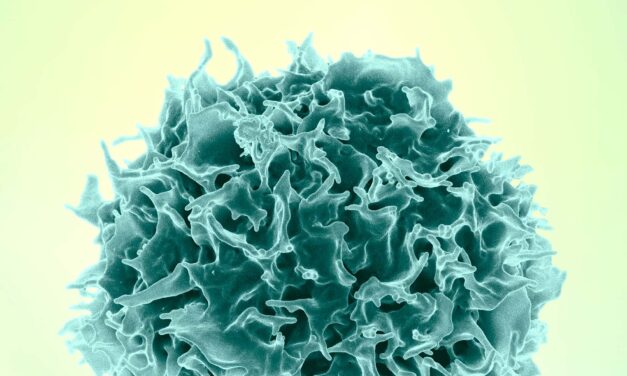
Chronic smoke exposure alters lung repair cells and helps decide which form of the disease develops after genetic mutations occur.
Read More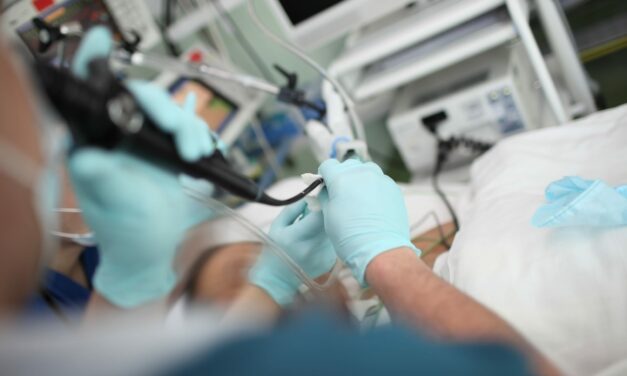
Surgeons at Cedars-Sinai used minimally invasive robotic technology to diagnose and remove an uncommon airway tumor in a young patient.
Read More
Offering financial incentives of up to $600 nearly doubled smoking cessation rates among medically underserved adults undergoing lung cancer screening.
Read More
A new noninvasive approach combines imaging analysis and blood testing to evaluate indeterminate lung nodules.
Read More
A national report shows decades of falling cancer deaths led by improvements in lung cancer survival, though it remains the leading cause of cancer mortality.f
Read More
Routine chest scans before immunotherapy can help clinicians spot lung injury risk early, according to new research.
Read More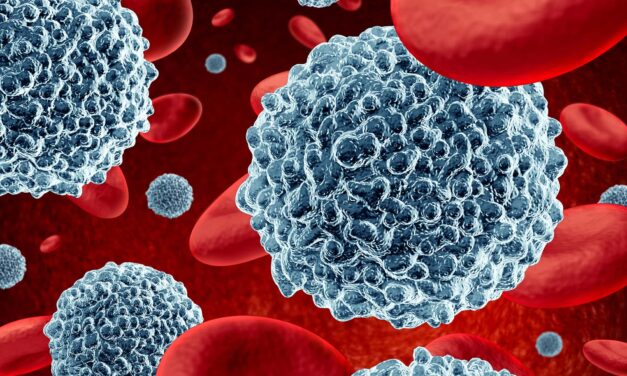
The same technology used to deliver mRNA in COVID-19 vaccines is being used to target a type of immune cell that can help tumors evade the body’s defenses.
Read More
Small cell lung cancer patients receiving focused treatment lived a median of 17 months compared to nine months with whole brain radiation.
Read More
Two studies link fine particulate matter from wildfires to increased hospital admissions and lower lung cancer survival.
Read More
An analysis from the World Health Organization shows raw tobacco leaf cultivation is increasing across Africa as cigarette imports double.
Read More
The American Lung Association initiative seeks to address mistrust, reduce disparities, and expand lung cancer trial participation among underrepresented patient populations.
Read More
Patients diagnosed with lung cancer demonstrated a higher prevalence and greater total burden of microplastics in their lungs compared to individuals without cancer.
Read More
Population aging is driving an increase in lung cancer mortality in China despite improved prevention and treatment efforts.
Read More
UCLA Health combines biopsy, staging, and surgery into a single session to reduce delays and improve lung cancer patient outcomes.
Read More
Specific circular DNA features found in blood and tissue could help clinicians identify patients at high risk for recurrence after surgery.
Read More
The multicenter study will evaluate an artificial intelligence module designed for rapid tissue assessment during bronchoscopic procedures.
Read More
Researchers developed a system that redirects pre-existing antiviral signals to help the immune system recognize and attack cancer cells.
Read More
On World Lung Cancer Day, international organizations advocate for earlier detection and screening to reduce mortality from lung cancer.
Read More
Three research teams are developing noninvasive, cost-effective screening tools to improve lung cancer detection rates among smokers and non-smokers.
Read More
Zidesamtinib (Jideytro) is approved for patients with ROS1-positive non-small cell lung cancer who have previously received targeted therapy.
Read More
New research suggests that excess abdominal fat impairs the lung’s immune defenses, allowing non-small cell lung cancer to develop more rapidly.
Read More