
The American Lung Association highlights 10 practical strategies to boost radon test kit use, return rates, and residential mitigation.
RT’s Three Key Takeaways:
- Second Leading Cause: Radon exposure represents the second leading cause of lung cancer in the US, yet many distributed test kits go unused by residents.
- Evidence-Based Strategies: An evaluation by the American Lung Association identified 10 best practices to increase testing rates, including charging a nominal fee, providing prepaid return shipping, and prioritizing in-person distribution.
- Actionable Follow-Up: Public health programs achieve better long-term outcomes when they offer educational guidance, track results, and connect residents with mitigation resources to address elevated radon levels.
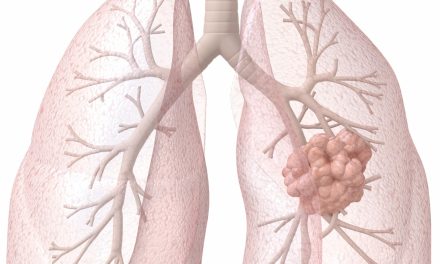
Exposure to radon gas is the second leading cause of lung cancer in the US, according to the American Lung Association. While radon can be identified through straightforward testing, and many state, local, tribal, and non-profit organizations offer discounted or free test kits, a substantial portion of distributed kits remain unused.
To address this gap, the American Lung Association released a brief titled “Best Practices in Radon Test Kit Distribution: An Evaluation and Recommendations.” The brief identifies operational strategies designed to improve the likelihood that individuals will deploy test kits, return them to laboratories for analysis, and pursue mitigation when elevated levels are identified.
“Lung cancer is the leading cause of cancer deaths in the US, and the second leading cause of the disease is radon. While it is affordable and easy to test for radon, not enough families are testing. This is especially concerning because elevated levels of radon are found in homes in every state, and in some states, radon levels are elevated in as many as 1 in 3 homes,” said Harold Wimmer, president and CEO of the American Lung Association, in a news release. “We hope that all organizations that are implementing radon test kit distribution programs utilize these strategies, so more people test and we can prevent lung cancer.”
Evaluating Distribution Models
The American Lung Association conducted the nationwide evaluation through a literature review, interviews with six radon programs, a nationwide questionnaire, and an analysis of strategies detailed in Environmental Protection Agency (EPA) State Indoor Radon Grant Reports.
According to the brief, programs that succeed combine simple logistics, educational engagement, personal interaction, and outcome tracking. Key findings from the evaluation showed that:
- Programs that eliminate participation barriers and simplify testing steps achieve higher community involvement.
- Direct personal engagement, education, and institutional trust motivate individuals to complete testing.
- Streamlined logistics, including clear directions and prepaid return mailers, enhance kit return rates.
- Post-testing support plays a vital role in prompting homeowners to implement environmental mitigation systems.
10 Recommended Best Practices
Based on its findings, the American Lung Association outlined 10 specific practices for public healthcare, tribal, and community organizations managing radon distribution programs:
- Charge a Small Fee: Discounted and full-price kits demonstrated higher utilization rates than free kits, as residents appear more likely to complete testing when they have a minor financial investment.
- Provide Clear Instructions: Straightforward directions build user confidence and drive higher completion rates.
- Include Prepaid Return Shipping: Supplying a pre-addressed, prepaid shipping label eliminates a common barrier to laboratory submission.
- Include Educational Materials: Providing information detailing radon exposure risks, lung cancer pathology, result interpretation, and mitigation options improves public awareness and motivation.
- Prioritize In-Person Distribution: Direct interactions allow immediate kit handover and offer an opportunity for face-to-face education.
- Minimize Ordering Requirements: Allowing residents to obtain kits without complex pre-registration processes boosts participation.
- Use Coupons When Pre-Ordering Is Required: Coupons help increase kit redemption when administrative pre-orders cannot be avoided.
- Evaluate Reminder Efforts: Follow-up reminders did not consistently improve kit return numbers, indicating that resources may be better directed toward education, accessibility, or mitigation assistance.
- Offer Follow-Up Services: Providing direct consultations and professional mitigation referrals assists residents in taking corrective action following high readings.
- Track Outcomes: Recording distribution figures, returned tests, laboratory results, and completed mitigation actions supplies necessary data to guide program improvements and resource allocation.