Higher Mortality Risk for Low BMI, Frail Patients After Emergency Surgery
New research indicates low body mass index and frailty dramatically increase mortality odds following emergency surgery.


New research indicates low body mass index and frailty dramatically increase mortality odds following emergency surgery.

New research indicates low body mass index and frailty dramatically increase mortality odds following emergency surgery.
Read More
New national data show surging hospitalizations, low helmet use, and severe injuries concentrated among pediatric e-scooter riders.
Read More
A national study revealed a 50% increase in mortality from common emergency surgical conditions, with rural communities experiencing the steepest rise.
Read More
Scheduled 30-minute naps helped hospital residents manage simulated cardiac arrest crises during 24-hour shifts, according to a clinical trial.
Read More
Draeger issued a letter to affected customers recommending certain VentStar Resus Neo hoses be removed from where they are used or sold, according to an FDA early alert.
Read More
Research highlights significant delays in the transition from emergency care to inpatient management for admitted patients.
Read More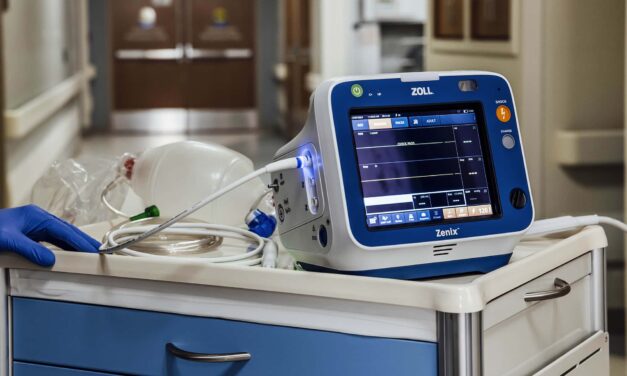
RT looks at the latest resuscitation devices on the market from manufacturers like Dynarex, Fisher & Paykel Healthcare, Mercury Medical, and Zoll Medical.
Read More
Pressure control-volume guarantee (PCV-VG) ventilation improved intraoperative respiratory mechanics but did not significantly reduce postoperative pulmonary complications compared with conventional volume control ventilation in patients undergoing emergency abdominal surgery.
Read More
Female emergency department physicians ordered 3% to 5% more imaging and laboratory tests and admitted 3% to 5% more patients.
Read More
A 10-year analysis of emergency department data shows one sport poses a greater risk of severe injury to youth athletes.
Read More
Data on 9,000 children with septic shock shows no difference in kidney outcomes between two common types of IV fluids used for emergency resuscitation.
Read More
A large-scale mold intervention in New York City public housing resulted in nearly 2,800 fewer annual asthma-related emergency department visits.
Read More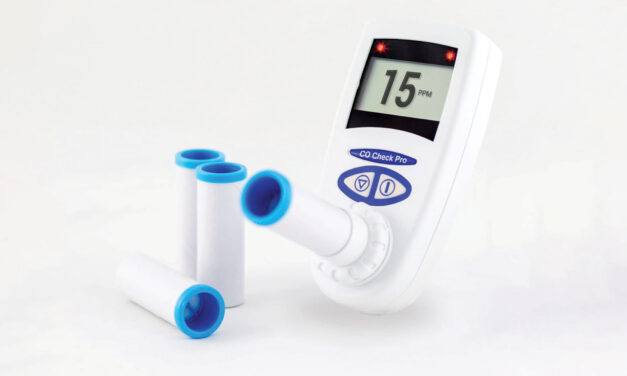
The CO Check Pro is designed for use in both smoking cessation programs and emergency healthcare settings for the detection of carbon monoxide poisoning.
Read More
A 20-year study of 11,000 patients shows that comorbidities and frequent exacerbations drive higher mortality rates in severe asthma cases.
Read More
A study of emergency department patients found that the SaFETy score can identify the risk of firearm-related incidents within one year.
Read More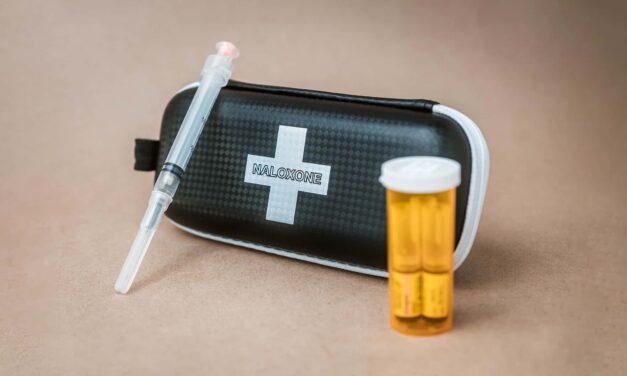
Standard doses of naloxone are often insufficient to restore normal breathing during opioid-induced respiratory depression (OIRD) after overdoses involving fentanyl and sufentanil.
Read More
Non-pharmacological strategies like breathing techniques and positioning help COPD patients manage acute episodes and improve confidence.
Read More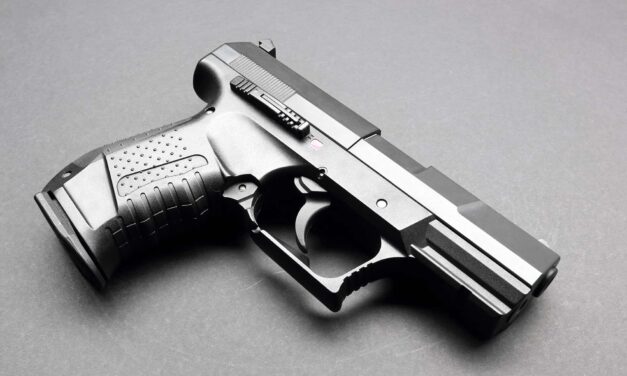
More than 11 million people became gun owners for the first time, with most being women, Hispanic, or people of color.
Read More
New research explores three ER strategies to protect survivors of violence while allowing effective police investigations.
Read More
Certain neighborhood characteristics, including higher poverty, more uninsured residents, and lower educational attainment, may lead to an increase in COPD-related emergency department visits and hospitalizations.
Read More
A mold reduction initiative in New York City resulted in 2,798 fewer emergency department visits per year for asthma exacerbation.
Read More
Emergency care experts outline what every emergency department (ED) needs to be ready to care for children and adolescents—an effort that could save more than 2,100 lives nationwide each year.
Read More
Zoll Medical’s Zenix monitor/defibrillator is now approved under the European Union’s Medical Device Regulation 2017/745, commonly referred to as EU MDR.
Read More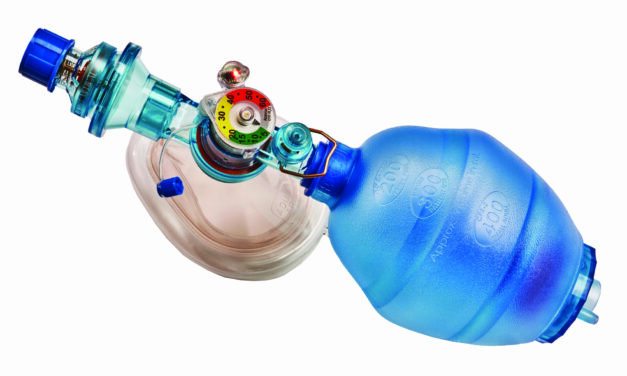
The CPR-2+ manual resuscitator features a 1,000 mL capacity and tidal volume markings to align with clinical guidelines and reduce ventilation injuries.
Read More