$3.5M to Fund Dyspnea Research for COPD, Ventilated Patients
Researchers are developing an automated tool to identify respiratory discomfort when ventilated patients are unable to communicate.

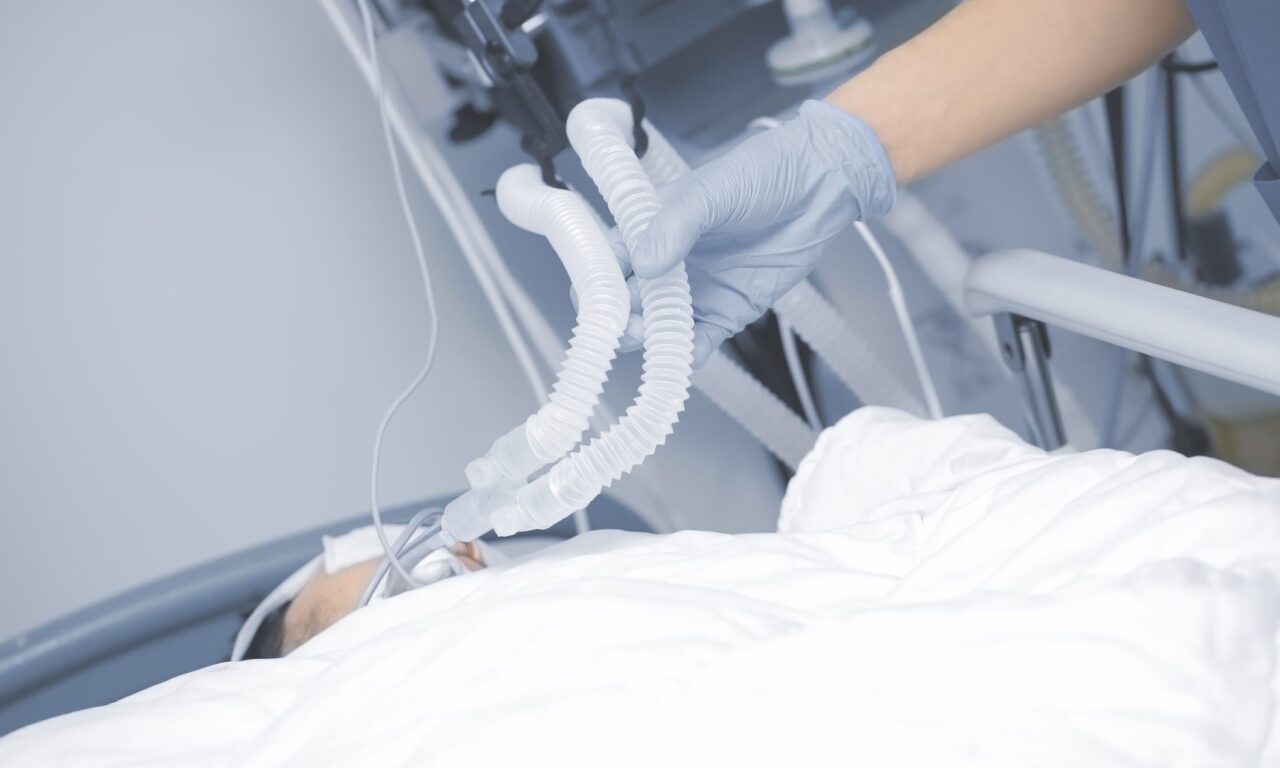
Researchers are developing an automated tool to identify respiratory discomfort when ventilated patients are unable to communicate.
Researchers are developing an automated tool to identify respiratory discomfort when ventilated patients are unable to communicate.
Read More
Non-pharmacological strategies like breathing techniques and positioning help COPD patients manage acute episodes and improve confidence.
Read More
The pulmonary artery progressively stiffens with age, which may contribute to unexplained dyspnea in older adults.
Read More
Patients’ last days of COPD can be characterized by depression, anxiety, pain, and dyspnea. Clinicians must be alert to patient discomfort and offer appropriate palliative care and reassurance.
Read More
Ensifentrine provided consistent, clinically significant benefits across multiple patient reported outcomes in non-exacerbating COPD patients.
Read More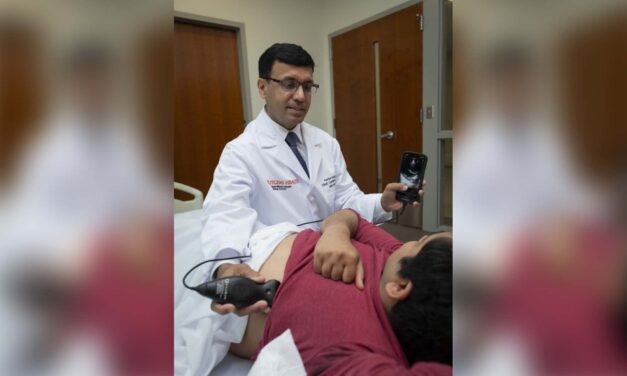
New data suggests using portable ultrasounds to examine patients presenting with dyspnea led to better diagnoses, shorter hospital stays and big cost savings, but additional training and workflow integration is needed for clinicians.
Read More
Just 76% of heart attack patients with dyspnea or fatigue as their main symptom are alive at one year compared to 94% of those with chest pain as the predominant symptom, according to research at ESC Acute CardioVascular Care 2022.
Read More
COVID-19 patients who continue to be short of breath during physical activity one year after recovering from the infection may have suffered heart damage.
Read More
The Dyspnea-ALS-Scale (DALS-15) can help doctors identify amyotrophic lateral sclerosis (ALS) patients in need of noninvasive ventilation, according to a study.
Read More
Continuous oxygen during exertion, but not short-burst therapy, significantly reduced the distressing symptom of dyspnea in patients with mild COPD.
Read More
An exercise program that increases COPD patients’ ability to perform physical activity with a lessened sensation of dyspnea is a primary goal of rehabilitation.
Read MorePersistent or developing dyspnea during daily activities revealed an increased risk of death, and all-cause mortality increased along the degree of dyspnea, according to a study conducted by Finnish researchers.
Read More
Pulmonary embolism can be a life-threatening event and has been estimated to occur at a rate of about 69 cases per 100,000 people.
Read More