Lung Cancer Screening Rates Remain Low
Only about 18% of eligible US adults underwent lung cancer screening in 2022, lagging far behind rates for breast and colorectal cancer screenings.

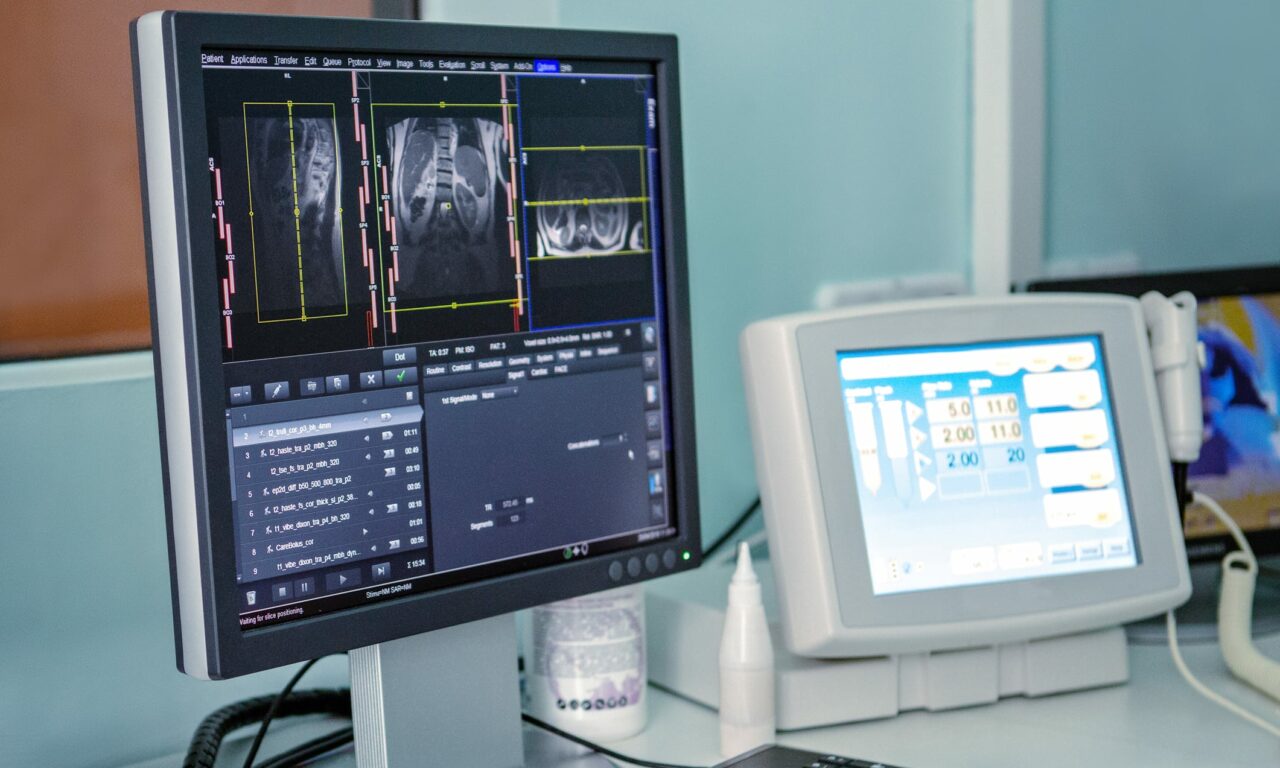
Only about 18% of eligible US adults underwent lung cancer screening in 2022, lagging far behind rates for breast and colorectal cancer screenings.
Only about 18% of eligible US adults underwent lung cancer screening in 2022, lagging far behind rates for breast and colorectal cancer screenings.
Read More
UCLA Health combines biopsy, staging, and surgery into a single session to reduce delays and improve lung cancer patient outcomes.
Read More
Only one-third (33%) of surveyed Americans were aware that low-dose CT scans are available individuals at high-risk of lung cancer.
Read More
On World Lung Cancer Day, international organizations advocate for earlier detection and screening to reduce mortality from lung cancer.
Read More
Three research teams are developing noninvasive, cost-effective screening tools to improve lung cancer detection rates among smokers and non-smokers.
Read More
The AIR CARE for Vets Act proposes a five-year pilot program to implement 4D imaging technology within the Department of Veterans Affairs.
Read More
A study of more than 32,000 CTPA scans found that artificial intelligence and physicians agreed on pulmonary embolism results nearly 98% of the time, though human review caught cases the software missed.
Read More
Confusion over false positive rates, overstated complication risks, and inflated radiation danger projections have created exaggerated fears about CT lung cancer screenings.
Read More
4DMedical’s FDA-cleared CT:VQ provides ventilation and perfusion insights from CT imaging.
Read More
Investigators have developed a new method to improve radiation dose estimation in computed tomography called the size specific dose estimate slice averaged image.
Read More
Notifying women of their eligibility for low-dose CT scans for lung cancer while they are scheduling mammograms for breast cancer could increase lung screenings.
Read More
New data published in JAMA reveal only 1-in-5 eligible US adults receive lung cancer screening.
Read More
GE HealthCare received FDA 510(k) clearance for its Revolution Vibe CT system, an imaging solution for coronary CT angiography (CCTA).
Read More
Olympus Medical’s SeleCT Screening Ai platform helps ID severe emphysema patients who may benefit from bronchoscopic lung volume reduction.
Read More
The first pediatric Care Innovation Hub from GE Healthcare and Cincinnati Children’s will create diagnostic imaging technologies—MRI, CT, ultrasound, and molecular imaging—specifically designed for children.
Read More
A single inhalation CT scan combined with a deep learning model can accurately diagnose and stage COPD.
Read More
A new study reveals that immune cells, typically involved in lung repair, may instead drive persistent damage and fibrosis in COVID patients, preventing proper healing.
Read More
Researchers discovered that 42% of non-smoking adults had lung nodules, with 11.1% of these cases involving clinically significant nodules typically associated with higher-risk groups.
Read More
The technology performs an analysis of the lung tissue and the fissure completeness, supporting physicians in the diagnosis and documentation of pulmonary tissue images from CT thoracic datasets for each patient.
Read More
4DMedical has entered into an agreement to acquire Imbio Inc, a provider of medical imaging analysis technologies for chronic lung and cardiothoracic diseases.
Read More
The software scans and analyzes CT images, providing data on regional lung function using existing CT scanning equipment.
Read More
Diagnosing early-stage lung cancer with low-dose computed tomography screening drastically improves its cure rate measured over a 20-year period, according to a large-scale study.
Read More
A new study suggests CT results alone may not confer as much risk as traditionally thought—a finding that will come as a surprise to most emergency physicians, according to one of the study’s authors.
Read More
Brigham and Women’s Hospital researchers conducted a study linking mucus plugs to higher mortality.
Read More