Positional Therapy Offers Long-term Benefits for Sleep Apnea
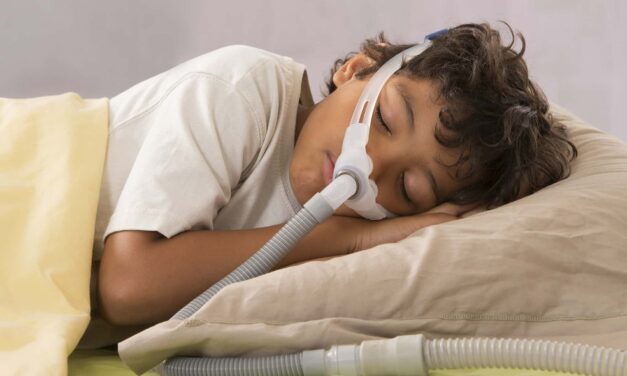
New research suggests that a side-sleeping device can lead to permanent behavioral changes, providing an alternative for patients who struggle with CPAP adherence.
Read MorePatients who fail to meet initial Medicare adherence thresholds for CPAP therapy often continue to benefit from therapy after one year.
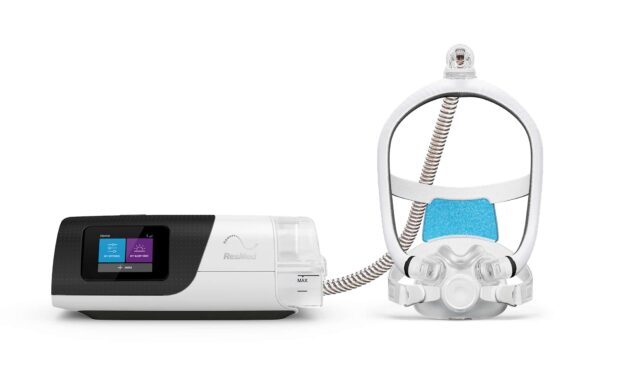
Read MoreResmed’s new AirTouch F30i Comfort full face CPAP mask is now available in the United States, Canada, Australia, and New Zealand.
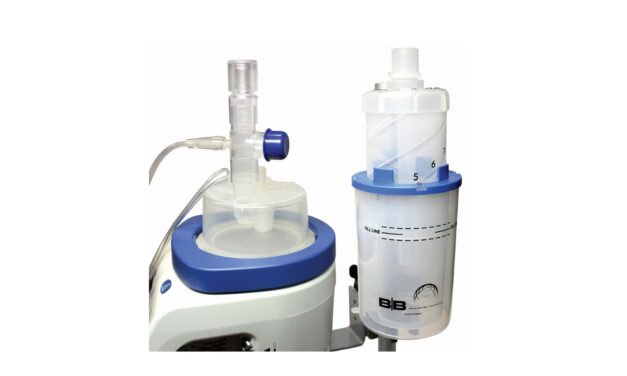
Read MoreB&B Medical’s Bubbler Water Seal CPAP Valve offers a device to deliver continuous positive airway pressure to infants weighing less than 10 kg in critical care environments.
Read MoreThe 12.5 cmH2O Pressure Relief Manifold provides pressure limitation for patients weighing less than 10 kg in critical care settings.
Read MoreDraeger Bubble CPAP uses a patented angled tube design to simulate high-frequency ventilation and reduce respiratory muscle exhaustion.
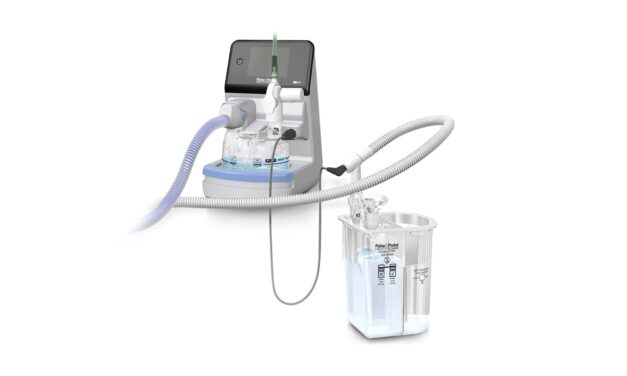
Read MoreThe F&P Bubble CPAP System uses an auto-leveling generator to provide consistent pressure for neonatal patients.
Read MoreThe Babi.Plus system provides noninvasive breathing assistance for premature infants to help reduce the risk of lung disease.
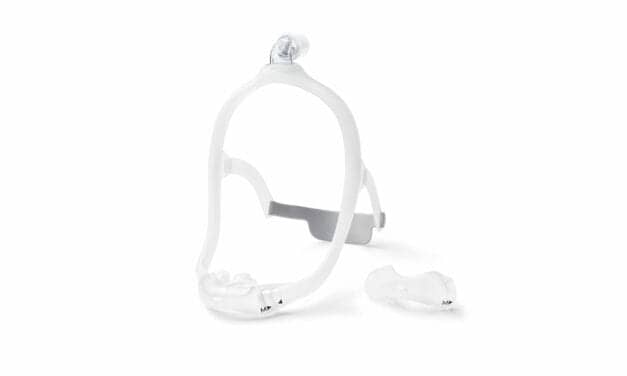
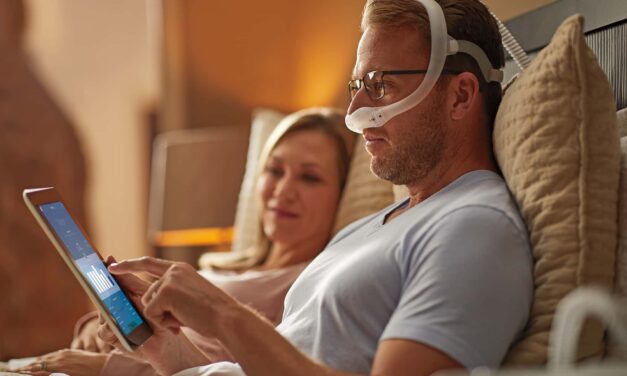
Read MorePhilips Dreamwear System’s new fitting technology and a modular mask frame aim to improve patient comfort and clinical efficiency in sleep therapy.
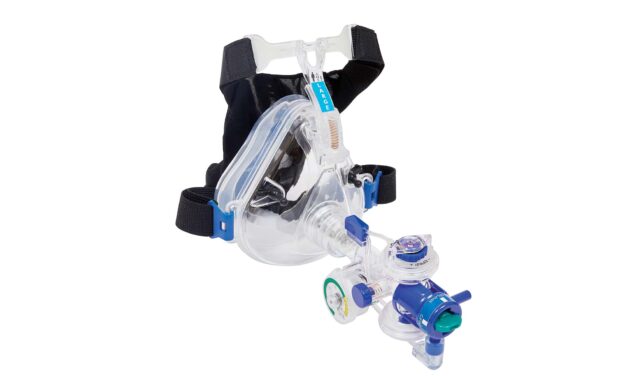
Read MoreThe Flow-Safe II from Mercury Medical features a built-in pressure gauge to verify delivery during emergency care and patient transport.
Read MoreRT’s 2026 Product Comparison Guide provides a side-by-side look at 76 medical devices covering 12 respiratory and critical care categories, including 24 online exclusive products.
Read MorePregnant women were nearly 3.5 times more likely than non-pregnant women to require respiratory support when hospitalized for COVID-19.
Read MoreSmart Comfort is the first FDA-cleared Ai-enabled medical device that recommends personalized comfort settings to help people with OSA start and stay on CPAP therapy.
Read MorePhilips Respironics is recalling certain DreamStation Auto CPAP and Auto BiPAP devices, according to a September 12th FDA alert.
Read MoreRT obtains industry insights on bubble CPAP administration and how technology and best practices are helping to ensure more babies stay successfully on noninvasive support.
Read MoreThe data suggests that CPAP may offer long-term cardiovascular benefit in people with high-risk OSA but may have unintended harmful effects in those without high-risk OSA.
Read MorePhilips Respironics has issued updated instructions for its V30, A30, and A40 BiPAP devices due to a failure in the ventilator inoperative alarm, which can cause interruption or loss of therapy, according to an FDA alert.
Read MoreRT’s 2025 Product Focus provides a detailed look at 68 of the newest medical devices, including 33 exclusive products not available in the print edition.
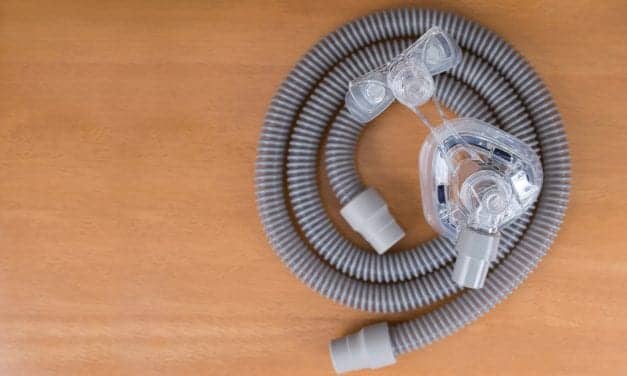
Read MoreRT takes a look at positive airway pressure interfaces, masks, and sleep therapy devices from Cadwell, Mercury Medical, and Philips.
Read MoreSleep medicine professionals favor CPAP therapy to treat comorbid obesity and obstructive sleep apnea, while patients lean toward treatment with weight loss medication tirzepatide (Zepbound).
Read MoreA worldwide study of over one million patients with sleep apnea provides the strongest evidence to date that CPAP therapy not only alleviates OSA symptoms but can also prolong life.
Read MoreVGM Group Inc announced the acquisition of SleepGlad, maker of a cloud-based 3D mask-fitting platform for CPAP and noninvasive ventilation.
Read MorePatients receiving peer mentorship used their CPAP machines more consistently, averaging 4.5 hours per night compared to 3.7 hours for those receiving standard care.
Read MoreA report from ProPublica says that Lincare was supposed to supply the most ailing patients with new CPAPs but instead diverted the devices to new customers who would deliver greater profits for the company.
Read More