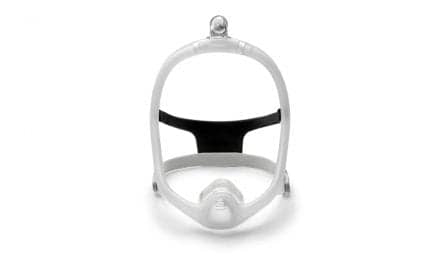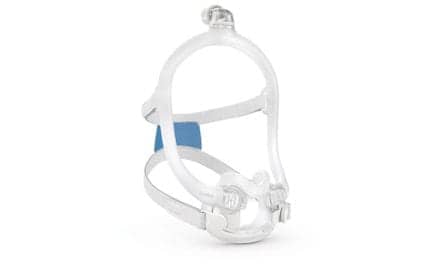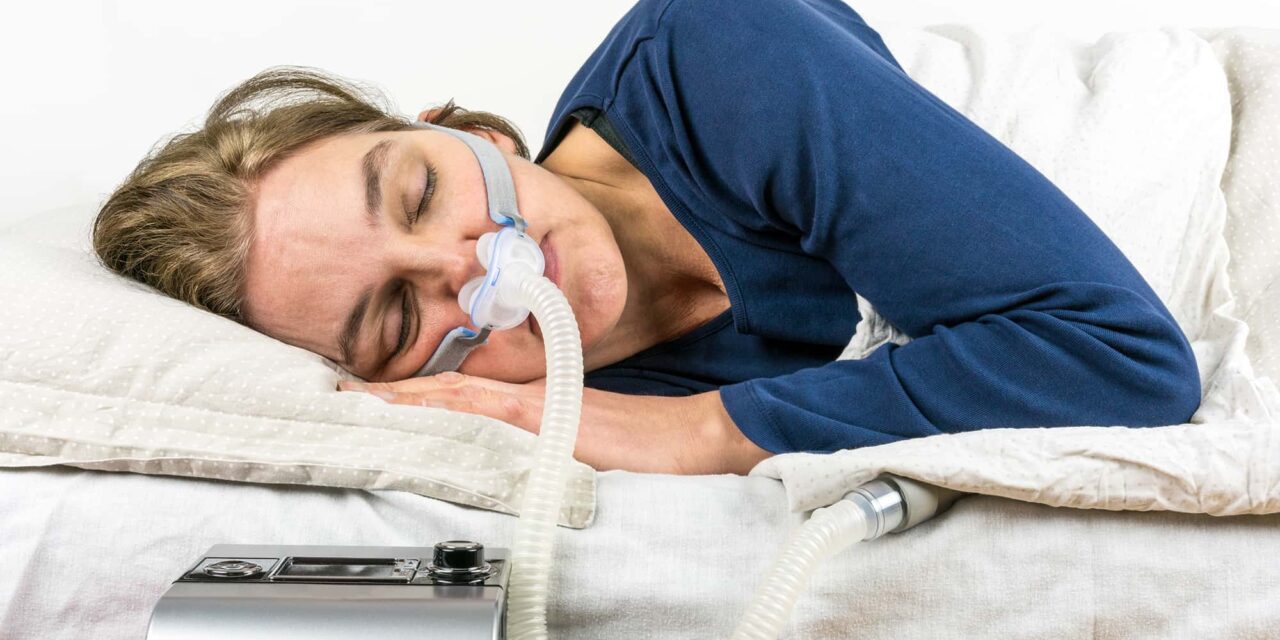
Sleep medicine professionals favor CPAP therapy to treat comorbid obesity and obstructive sleep apnea, while patients lean toward treatment with weight loss medication tirzepatide (Zepbound), according to a new study presented at Sleep 2025.
Results show that more than 75% of patients and clinicians considered CPAP and tirzepatide to be acceptable treatment options. However, patients preferred tirzepatide over CPAP should evidence demonstrate equal effectiveness (48% vs. 35%), while sleep medicine professionals tended to favor CPAP over tirzepatide (53% vs. 26%). While both groups supported a treatment plan that combines CPAP with tirzepatide, patients were less enthusiastic than sleep medicine professionals about combination therapy (61% vs 88%).
RT’s Three Key Takeaways:
- Diverging Treatment Preferences: Patients with comorbid obesity and obstructive sleep apnea preferred tirzepatide (Zepbound) over CPAP, while sleep medicine professionals favored CPAP.
- Support for Combination Therapy: Both groups supported combining tirzepatide and CPAP, though clinicians were more enthusiastic than patients (88% vs. 61%).
- Need for Shared Decision-Making: The mismatch in treatment preferences underscores the importance of patient-provider collaboration and real-world data to guide effective, personalized care plans.
“The results highlight a need for real-world comparative effectiveness data of CPAP vs tirzepatide, and a potential mismatch between patient and provider preferences when managing comorbid obesity and obstructive sleep apnea,” said lead author Ahmed Khalaf, a sleep technician in the pulmonary, critical care and sleep medicine division at University of California, San Diego. “Understanding these differences is critical for shared decision-making throughout the care plan, which may ultimately impact adherence and treatment success.”
Nearly 30 million adults in the US have obstructive sleep apnea, a chronic disease that involves repeated collapse of the upper airway during sleep. Obstructive sleep apnea is commonly treated with CPAP therapy, which uses mild levels of air pressure, provided through a mask, to keep the airway open during sleep.
According to a recent statement from the American Academy of Sleep Medicine, the FDA approval of Zepbound (tirzepatide) for moderate to severe sleep apnea in adults with obesity is a positive development for patients and clinicians, who now have another treatment option for this common and under-diagnosed sleep disorder. While Zepbound can reduce the severity of sleep apnea, it may not cure the disease. Therefore, for some patients who have sleep apnea, combining another treatment with Zepbound may be ideal to promote long-term results.
For this preliminary analysis, the researchers used data from an ongoing, national online survey including responses from 17 UCSD sleep medicine professionals and 365 patients; 42% of participants were women. Nearly 53% of patients had comorbid obesity and obstructive sleep apnea, 73% reported three or more prior attempts at weight loss, 23% reported being current or past users of tirzepatide and/or semaglutide, and 78% reported being current or past users of CPAP.
Dr. Chris Schmickl, principal investigator and assistant professor of medicine at University of California, San Diego, was surprised by the divergence in treatment preferences between patients and providers.
“Recognizing differing attitudes toward treatment is crucial for developing a realistic and achievable action plan,” said Schmickl. “Additional research to understand the underlying reasons behind these preferences will offer valuable insights for providers to guide treatment decisions.”