Mepolizumab Reduced Corticosteroid Use in COPD Patients
Analysis of Phase 3 clinical trials shows mepolizumab cuts annual steroid exposure and high-dose treatment days for COPD patients.


Analysis of Phase 3 clinical trials shows mepolizumab cuts annual steroid exposure and high-dose treatment days for COPD patients.

Analysis of Phase 3 clinical trials shows mepolizumab cuts annual steroid exposure and high-dose treatment days for COPD patients.
Read More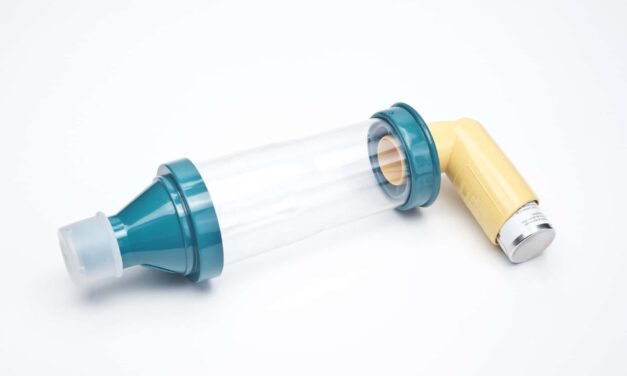
California is launching a statewide initiative to provide free albuterol inhalers and spacers to 10,000 public and charter schools to treat students during respiratory emergencies, according to Governor Gavin Newsom.
Read More
Men receiving systemic testosterone therapy showed a statistically significant decrease in inhaled corticosteroid use starting 18 to 24 months after treatment initiation.
Read More
Updated VA/DOD asthma guidelines prioritize inhaled steroids while rejecting air filtration devices.
Read More
New research found no evidence of increased infectious complications with corticosteroid use for non-COVID-19 pneumonia.
Read More
The American Thoracic Society has published a new clinical practice guideline (CPG) on pneumonia care, including guidance on lung ultrasound, antibiotics, and corticosteroid use.
Read More
Benralizumab injection improved respiratory symptoms within 28 days and reduced treatment failures by fourfold after 90 days compared to standard steroid therapy.
Read More
The NCQA’s white paper outlines the realities of asthma care in the United States and the policy and clinical interventions that may provide improvements.
Read More
A Canadian study found that 72% of patients with uncontrolled severe asthma were not on available biologic therapy, and 40% had four or more oral corticosteroid courses.
Read More
The 12-month study will assess how a digital platform designed for asthma management impacts symptom control, medication adherence, and healthcare utilization in patients with moderate to severe asthma.
Read More
Many children with recurrent wheezing have undetected lung infections that may be more effectively treated with antivirals instead of commonly prescribed steroids.
Read More
Despite updated guidelines, only 14.5% of adults with moderate to severe asthma are prescribed the SMART combination inhaler regimen.
Read More
Two practice parameters from the Joint Task Force for Practice Parameters offer evidence-based recommendations for the diagnosis and management of anaphylaxis and atopic dermatitis in pediatric and adult patients.
Read More
In this 2023 update of RT’s pharmacological treatment of respiratory disorders, the most commonly administered classes of pulmonary medications are reviewed.
Read More
Patients who regularly use intranasal corticosteroids were less likely to develop severe COVID-19-related disease, including a 20 to 25% lower risk of hospitalization, ICU admission and mortality.
Read More
Asthmatic children are less likely to respond to inhaled steroid medication if they are overweight or obese, and this leads to more frequent asthma attacks, according to research at the virtual ERS Congress 2021.
Read More
Steroid treatment in intubated patients with angioedema had no effect on length of time spent in intensive care unit, new research shows.
Read More
The results of the ACTT-1 trial, which looked at the effectiveness of remdesivir as a treatment for COVID-19, have been published.
Read More
Nearly 3-in-4 of emerging adults with asthma do not adhere to their prescribed inhaled corticosteroid therapy, according to a study published in the Journal of Asthma.
Read MoreA new ERJ analysis found inhaled corticosteroids may also reduce COPD patients’ risk of lung cancer by as much as 30%.
Read More
The use of monoclonal antibodies as an alternative to oral corticosteroids could improve quality of life in patients with severe asthma, according to Asthma UK.
Read More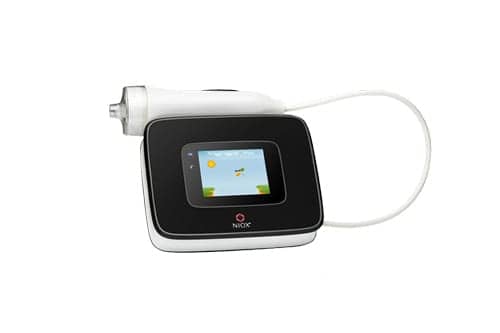
Levels of fractionated exhaled of nitric oxide (FeNO) can indicate whether patients with unexplained coughs need treatment with inhaled corticosteroids.
Read More
The US FDA has approved Emflaza (deflazacort) tablets and oral suspension to treat patients age 5 years and older with Duchenne muscular dystrophy (DMD).
Read More
Cincinnati Children’s Hospital researchers have identified a biological basis for asthmatic children who do not respond well to corticosteroid treatment.
Read More