$3.5M to Fund Dyspnea Research for COPD, Ventilated Patients
Researchers are developing an automated tool to identify respiratory discomfort when ventilated patients are unable to communicate.

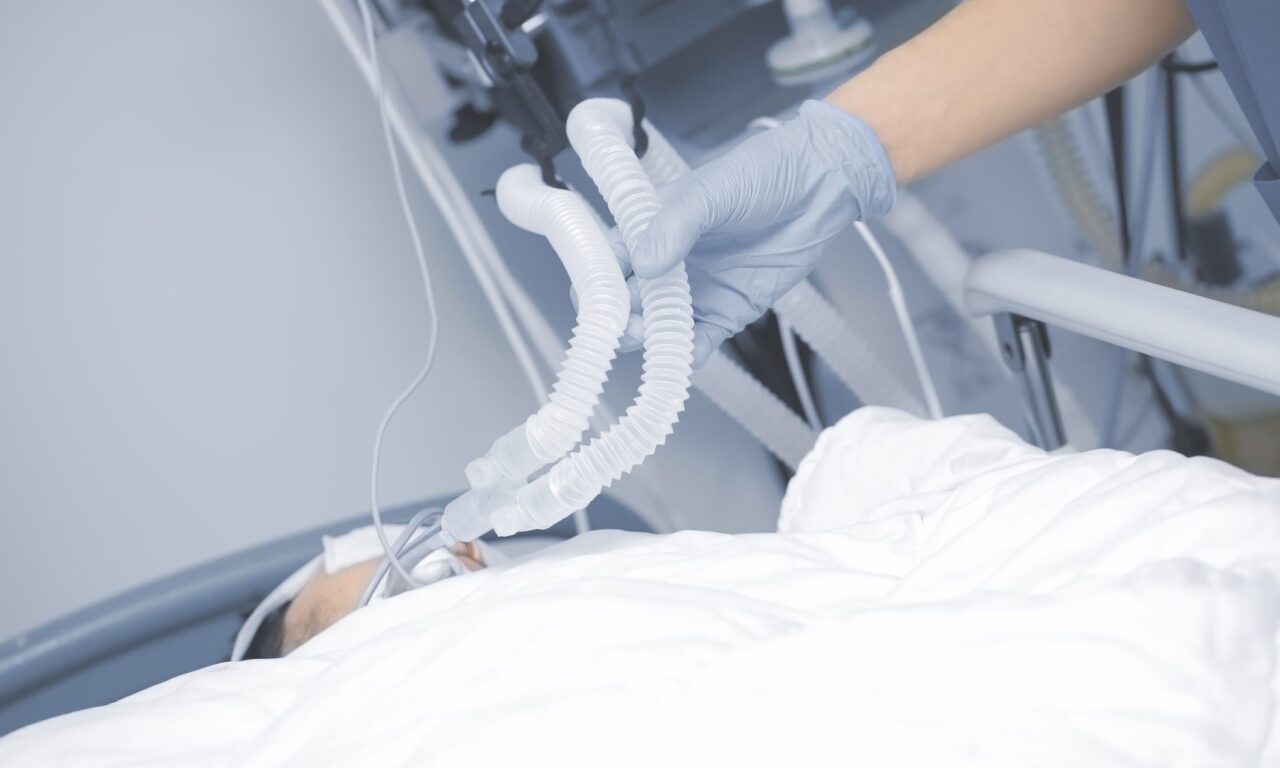
Researchers are developing an automated tool to identify respiratory discomfort when ventilated patients are unable to communicate.
Researchers are developing an automated tool to identify respiratory discomfort when ventilated patients are unable to communicate.
Read More
A proof-of-concept study showed an experimental monoclonal antibody targeting ARDS inflammation increased ventilator-free days and reduced organ failure.
Read More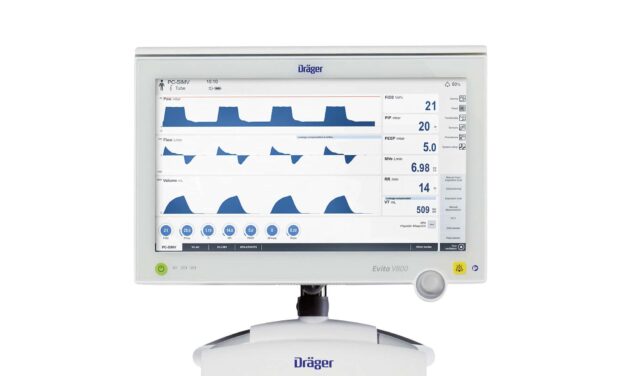
Draeger Inc has received 510(k) clearance from the USFDA to market its 3.10 software for the Evita V800 ventilator, according to a company news release.
Read More
An immunoassay measured key inflammatory biomarkers and classified patients into two ARDS subtypes—hyperinflammatory and hypoinflammatory—within approximately one hour.
Read More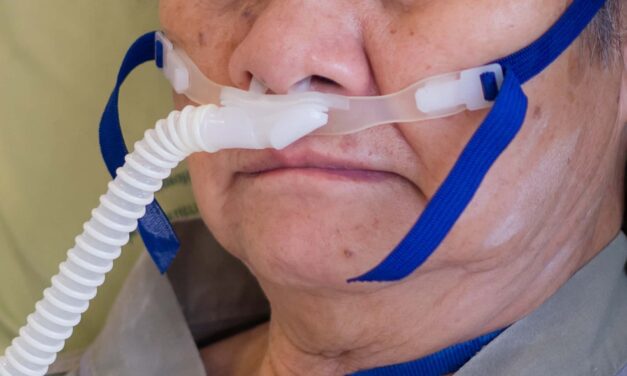
Compared to standard O2 therapy, high-flow nasal cannula did not lower mortality in in acute hypoxemic respiratory failure but may reduce the need for intubation, according to new data from the SOHO trial.
Read More
A case report suggests high doses of oxycodone in breastfeeding mothers can lead to apnea and bradycardia in newborns due to immature metabolic pathways.
Read More
Findings suggest that the endothelial gene ALOX15 gene protects against sepsis-induced lung injury.
Read More
Acute respiratory failure (ARF) and acute respiratory distress syndrome (ARDS) are critical conditions associated with high mortality. Current management strategies are evolving toward personalized care.
Read More
Hospitalized adults at risk for opioid use disorder had 47% lower odds of being readmitted to the hospital within 30 days after their initial discharge if they were screened by Ai.
Read More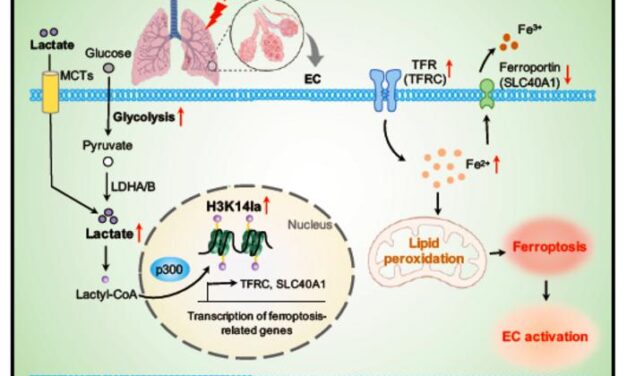
New insights reveal a key factor contributing to vascular injury and lung dysfunction in sepsis-induced ARDS.
Read More
Researchers found that medical ozone therapy can improve lung function in mice with sepsis-induced acute lung injury.
Read More
A research team identifies microscopic clusters of damaged lung vesicles as the cause of massive loss of lung function.
Read More
In patients most at risk for organ damage, the drug lessened the need for assisted ventilation and showed a slight decrease in mortality.
Read More
Researchers have previously attempted to develop synthetic lung surfactants, but some have been removed from the market and others have not been able to lower surface tension as well as animal-derived formulations.
Read More
Researchers have a new understanding of the link between this serious lung injury and the kind of inflammation that can lead to cardiovascular complications.
Read More
Researchers may have discovered a mechanical explanation for instability observed in the lungs in cases of acute respiratory distress syndrome, particularly in the aftermath of respiratory illnesses such as COVID-19 or pneumonia.
Read More
High-dose inhaled nitric oxide (iNO) therapy may improve oxygenation and reduce the risk of ARDS-related mortality among critically ill Black patients with COVID-19, according to a first-of-its-kind study published in the American Journal of Respiratory and Critical Care Medicine.
Read More
In RT’s February-March 2024 issue, we cover mechanical ventilation strategies for treating patients with ARDS; aerosol delivery, oxygen therapy and resuscitation for neonates; and best practices for pediatric bronchoscopy.
Read More
Researchers say different levels of sedation may explain disparities in deaths from respiratory failure.
Read More
An initial trial suggests invariant natural killer cell therapy improves survival.
Read More
An elementary school teacher from Kentucky survived two double-lung transplants after a series of respiratory infections destroyed her lungs and hospitalized her for over a year.
Read More
Researchers say they have identified “robust” respiratory microbiome signatures associated with ARDS and HAP.
Read More
UTHealth Houston researchers were awarded a four-year, $3.4 million NIH grant to investigate molecular mechanisms and therapeutic treatments for acute respiratory distress syndrome.
Read More
Experts have proposed a new definition for acute respiratory distress syndrome, reflecting recent research and advancements in diagnosis and treatment.
Read More