Aircraft Exhaust Particles Become More Harmful Over Time
Fine particulate matter from jet emissions increases in toxicity as sunlight and air reactions alter chemical properties over several days.


Fine particulate matter from jet emissions increases in toxicity as sunlight and air reactions alter chemical properties over several days.

Fine particulate matter from jet emissions increases in toxicity as sunlight and air reactions alter chemical properties over several days.
Read More
Physical activity reduces COPD symptom flare-ups regardless of local air quality levels.
Read More
Researchers identify blood markers that reveal early biological stress from pollution exposure before chronic illness develops.
Read More
Children with an inherited risk for COPD show slower lung growth when exposed to higher levels of air pollution during early childhood.
Read More
Classroom dust containing elevated levels of Streptomyces and Mycobacterium species is associated with measurable reductions in lung function among school-aged children.
Read More
Fragrances in common cleaning products react with ozone to create indoor air pollution by forming nanoparticles that can settle deep in the respiratory system.
Read More
Traffic-related air pollution can worsen respiratory symptoms during daily exercise for people with chronic lung disease.
Read More
NASA satellite-derived data can quantify particle pollution in the nearly 80% of US counties that lack ground-based monitors.
Read More
High ozone pollution levels may counteract the respiratory healthcare improvements gained through vigorous physical activity in pediatric populations.
Read More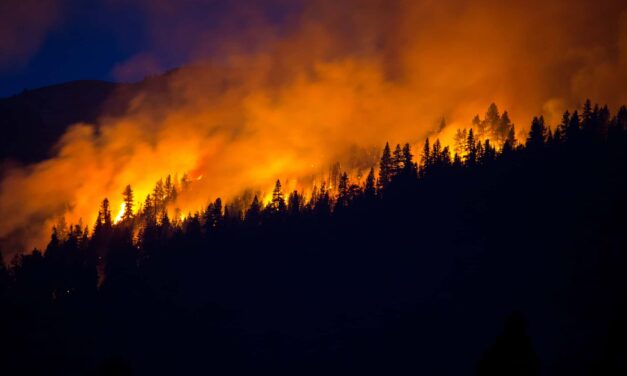
Invisible ozone produced by wildfires contributes to more than 2,000 excess deaths each year among older adults in the US.
Read More
Exposure to fine particulate matter in the week before surgery is associated with higher rates of pneumonia, sepsis, and surgical wound infections.
Read More
The 2026 “State of the Air” report reveals that 82% of Californians live in areas with failing air quality grades for ozone or particle pollution.
Read More
The American Lung Association’s “State of the Air” report indicates that 33.5 million children live in communities with failing grades for ozone or particle pollution.
Read More
New research suggests environmental air quality including air pollution plays a significant role in triggering migraine episodes.
Read More
UV filtration in heating, ventilation and air conditioning may affect environmental microbial diversity, leading to improvements in children’s asthma outcomes.
Read More
Veterans with chronic rhinosinusitis (CRS) who were exposed to burn pits and other toxins show a marked increase in sinus mast cells.
Read More
Pulmonary experts say it’s difficult to know the lingering health issues the public may experience due to the wildfire smoke or exposure to toxins still present in burn areas.
Read More
Researchers collected samples from homes that were exposed to LA wildfire smoke but didn’t burn, in order to understand the effects.
Read More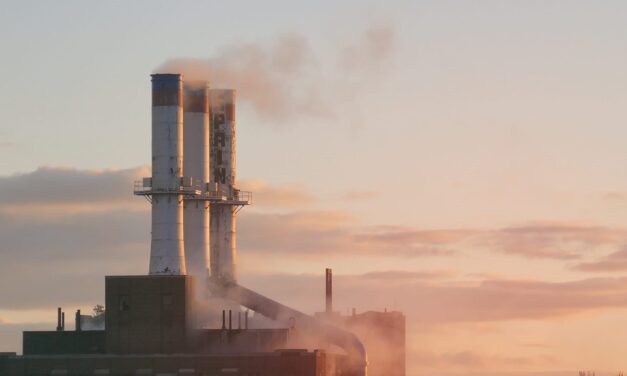
Greater long- and short-term exposures to outdoor particulate matter (PM1, PM2.5, PM10) and ozone were associated with increased odds of diabetes and dyslipidemia.
Read More
Wildfire emissions of organic compounds are about 21% higher than earlier estimates, averaging 143 million tons per year globally.
Read More
Telehealth visits for respiratory symptoms surged 42% during the 2025 Los Angeles wildfires, suggesting people may rely more heavily on virtual healthcare during climate-related emergencies.
Read More
Vitamin C may have the potential to protect people against lung disease caused by traffic-related air pollution, wildfires, and dust storms.
Read More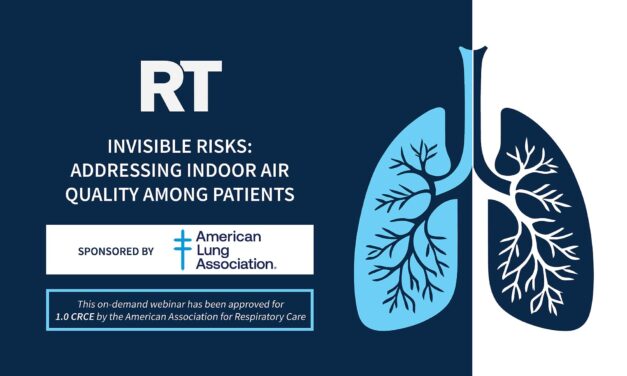
RT’s CRCE-approved webinar “Invisible Risks: Addressing Indoor Air Quality Among Patients,” is now available for on-demand viewing.
Read More
Inhalers are the frontline treatment for asthma and COPD, but they come with a steep environmental cost, UCLA researchers say.
Read More