
New FDA will not prioritize enforcement against unauthorized vaping and nicotine pouch products that have filed premarket applications.
RT’s Three Key Takeaways:
- Targeted Enforcement Priorities: The FDA issued new guidance outlining its enforcement priorities for electronic nicotine delivery systems (ENDS) and nicotine pouch products marketed without premarket authorization, focusing resources on deceptive, illicit, and youth-appealing products.
- Criteria for Enforcement Discretion: The agency does not intend to prioritize enforcement against unauthorized products that have an accepted, filed premarket tobacco application (PMTA) containing sufficient scientific evaluation data, provided the products do not feature youth-appealing marketing or excessive safety hazards.
- Public Product Listing: To support regulatory transparency for retailers, healthcare professionals, and consumers, the agency will publish and maintain a publicly available list of manufacturers and products covered under the non-prioritized enforcement policy.
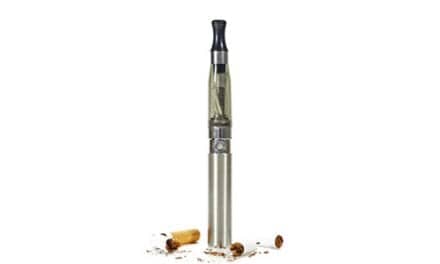
The FDA issued a guidance document titled “Enforcement Priorities for Certain New Tobacco Products Marketed Without Premarket Authorization,” outlining its enforcement approach toward electronic nicotine delivery systems (ENDS) and nicotine pouch products marketed without required federal clearance, according to the agency.
The illicit market undermines regulatory oversight and exposes consumers to risks from products that have not undergone scientific evaluation, the agency stated. Under the updated policy, the FDA is focusing enforcement on the most deceptive and dangerous products, worst actors, and egregious conduct related to unlawful ENDS and nicotine pouch products that fail to satisfy basic premarket requirements, such as submitting a premarket tobacco application (PMTA), as well as counterfeit and mis-declared merchandise.
Federal regulators are coordinating with partner agencies, including the US Department of Justice, Customs and Border Protection, and other federal entities, to intercept, seize, and destroy unlawful imports at US borders before they reach store shelves or underage users, according to the FDA.
Criteria for Enforcement Discretion
The guidance details specific conditions under which the FDA does not intend to prioritize enforcement against unauthorized products. The agency does not intend to prioritize action if a product has a pending application that has been accepted and filed, or if a manufacturer has a pending and accepted supplemental PMTA, provided the FDA has determined the filing contains the data necessary to evaluate whether the product is appropriate for the protection of public health in the case of non-tobacco flavored ENDS products, the agency stated.
However, products will lose enforcement discretion if they feature presumptively underage-appealing attributes, including depicting cartoon-like fictional characters, disguising the device’s nature as a vaping product, or resembling children’s toys, phones, or gaming platforms, according to the document.
The FDA also stated it will evaluate whether a tobacco product poses an elevated public health or safety hazard greater than typical market alternatives. Heightened enforcement scrutiny will apply to products that:
- Contain high nicotine concentrations
- Are linked to serious adverse events or a higher number of unexpected adverse experiences compared with authorized e-cigarettes or nicotine pouches
- Lack child-resistant packaging required under the Child Nicotine Poisoning Prevention Act of 2015
- Present potential fire hazards
Public Registry and Authorization Status
To promote transparency across the healthcare community, retail sector, and consumer landscape, the FDA plans to publish and maintain a public list identifying manufacturers and specific products that the agency does not intend to target for prioritized enforcement under the policy, the announcement noted.
Manufacturers marketing products under the policy who want to appear on the public webpage should contact their assigned regulatory health project manager or email the Center for Tobacco Products directly, the agency said.
The FDA emphasized that inclusion within the non-prioritized enforcement categories does not indicate or guarantee that any tobacco product is likely to receive formal premarket authorization.