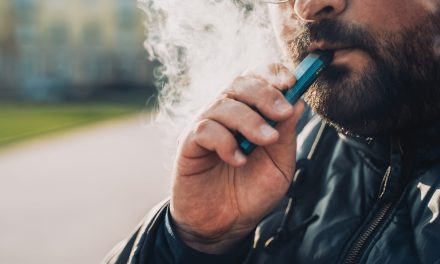
Researchers want to know whether cannabidiol (CBD) can help people with cannabis use disorder reduce marijuana smoking or quit use entirely.
RT’s Three Key Takeaways:
- Addressing cannabis dependence: A CU Boulder–led study is testing whether cannabidiol (CBD) can help people with cannabis use disorder reduce or quit use, addressing a growing condition that affects up to one in five users and currently lacks proven frontline treatments.
- Focus on high-potency users: The trial targets heavy users of cannabis concentrates, which can contain up to 90% THC and are strongly linked to dependence and withdrawal symptoms such as anxiety and sleep disruption.
- Testing real-world CBD solutions: In a placebo-controlled clinical trial, participants receive hemp-derived CBD (with or without trace THC) alongside psychotherapy to determine whether legally available CBD products can reduce cravings, withdrawal symptoms, and overall cannabis use.
A new CU Boulder study is exploring whether taking cannabidiol (CBD), a non-intoxicating ingredient in the Cannabis sativa plant, can help people with an unhealthy dependency smoke less marijuana or give it up entirely.
“It’s one of the biggest myths out there—that you can’t become addicted to or dependent on cannabis,” said Cinnamon Bidwell, an associate professor in the Department of Psychology and Neuroscience who is leading the study. “Cannabis use disorder can be rough, and we really have no frontline, empirically supported treatments for it.”
As many as one in five cannabis users develop a dependency on the drug, with cannabis use disorder growing more common as products become more potent.
But unlike with nicotine, alcohol and other drugs of abuse, few remedies exist for those wanting to cut back or quit. CBD, which interacts with some of the same receptors in the brain as the psychoactive compound THC, could potentially help fill that gap.
For the study, launched earlier this year with a $3 million grant from the National Institutes on Drug Abuse, Bidwell’s lab is recruiting 150 heavy cannabis concentrate users who wish to reduce their use or abstain. Along with remote psychotherapy sessions and educational support, participants will receive daily doses of either hemp-derived CBD alone, hemp-derived CBD with a very small amount of THC (less than 0.03%), or a placebo for eight weeks.
Bidwell’s previous research has shown that users of concentrates, which can contain as much as 90% THC (tetrahydrocannabinol) compared to about 20% in flower products, are more likely to grow dependent. When trying to cut back, they often experience anxiety, sleeplessness, loss of appetite and other symptoms.
In 2014, only 17% of products in Colorado were concentrates. By 2019, well over a third were, and concentrates have continued to flood the market since.
“As potency has shifted, we have also seen a shift in the percentage of people developing problematic uses or behaviors,” said Bidwell, noting that this percentage has risen from 10% to between 15% and 20% in recent years.
Fighting Cannabis Use Disorder with Cannabis
While non-intoxicating and non-addictive, CBD acts on some of the same reward-related receptors in the brain—known as CB1 and CB2—as THC does. Because it changes how THC interacts at those sites, CBD may reduce or change a THC high, so people don’t want to use it as much, said Bidwell.
CBD also has anti-inflammatory properties and can influence serotonin levels, potentially reducing the anxiety and sleep loss that can come with withdrawal.
One animal study found that a single 5 milligram dose of CBD inhibited drug-seeking behavior for two weeks. Another small study found that a 400-800 milligram CBD dose reduced craving and anxiety in humans. Some research has shown that very low dose synthetic THC improves withdrawal symptoms among cannabis users.
But to date, there has been no placebo-controlled clinical trial testing whether commercially available CBD can make cutting back on THC easier.
“That’s where our study comes in,” said Bidwell. “We want to study forms of cannabis that people can actually buy on the legal market today.”