FDA Grants Priority Review for Arikayce Inhaled Antibiotic for MAC
The FDA accepted Insmed's supplemental new drug application with Priority Review for Arikayce to treat Mycobacterium avium complex (MAC) lung disease.
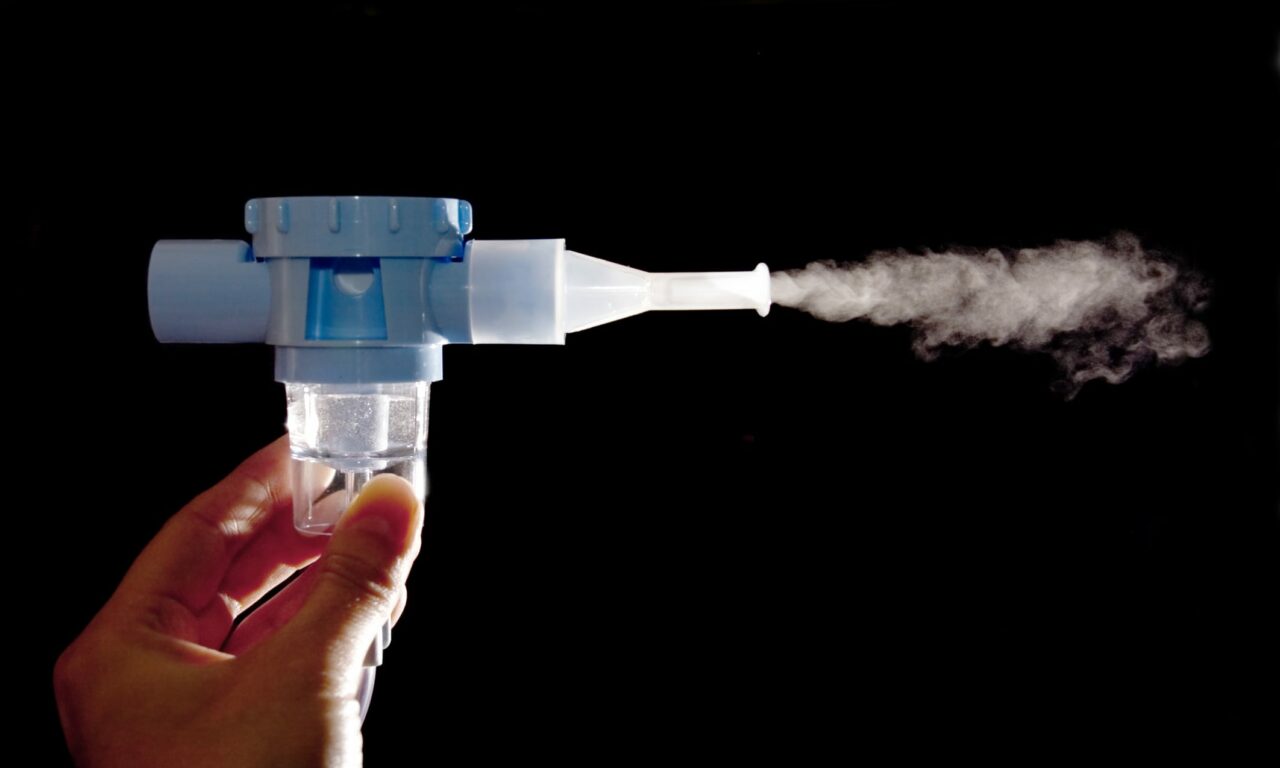
The FDA accepted Insmed's supplemental new drug application with Priority Review for Arikayce to treat Mycobacterium avium complex (MAC) lung disease.
The FDA accepted Insmed’s supplemental new drug application with Priority Review for Arikayce to treat Mycobacterium avium complex (MAC) lung disease.
Read More
Global analysis of more than 60,000 RSV viral sequences reveals that resistance to monoclonal antibodies remains rare.
Read More
The FDA’s Expedited Investigational New Drug (IND) Pilot pairs drug sponsors with research institutions to reduce startup delays for early human studies.
Read More
A new scientific statement from the Endocrine Society emphasizes health outcomes such as sleep apnea and heart disease over weight loss alone.
Read More
The diabetes and weight loss injection semaglutide was associated with fewer asthma attacks and COPD exacerbations, according to ERS 2026 research.
Read More
FDA will review Enflonsia’s ability to protect high-risk children under 2 years of age during their second RSV season.
Read More
If cleared by federal regulators, nebulized Tyvaso (treprostinil) Inhalation Solution would become the first inhaled option designed to treat idiopathic pulmonary fibrosis (IPF).
Read More
Updated formulas from Pfizer, Moderna, and Novavax target the circulating XFG variant for older adults and high-risk populations.
Read More
A clinical trial will evaluate a weekly dry powder nasal spray’s ability to boost natural defenses and prevent asthma infections.
Read More
CVS and Walgreens are expanding walk-in access, multi-vaccine scheduling, and respiratory illness testing ahead of peak viral activity.
Read More
The BEST-BE observational study will track 1,000 bronchiectasis patients to measure the impact of brensocatib on pulmonary exacerbations and patient quality of life.
Read More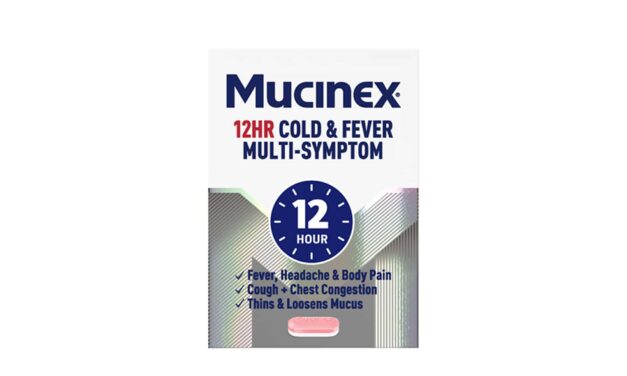
The FDA approved over-the-counter Mucinex 12hr Cold & Fever Multi-Symptom.
Read More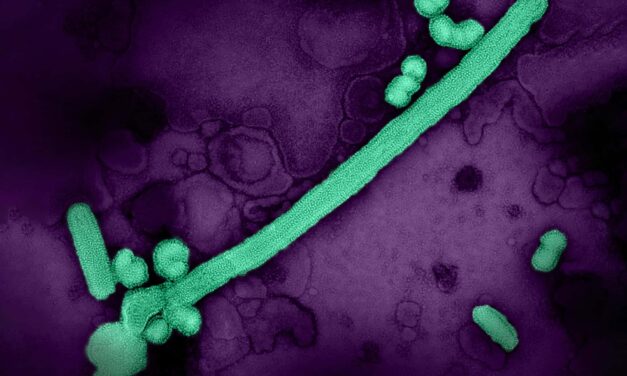
The FDA approved Moderna’s mFlusiva, the first seasonal influenza vaccine using mRNA technology to enter the US market.
Read More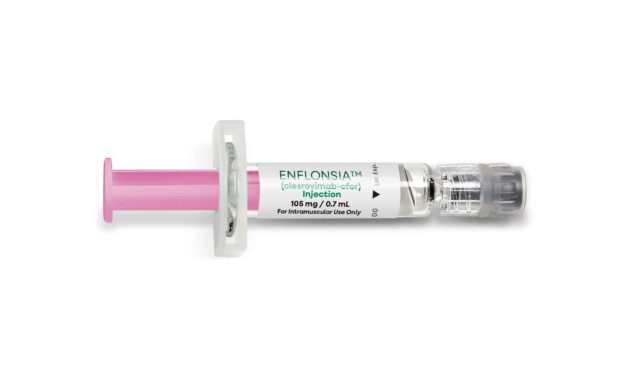
Merck is seeking expand approval for its RSV drug Enflonsia to include children under age two through their second year of risk.
Read More
A UCLA Health study compared azithromycin and roflumilast in protecting against acute exacerbations of chronic obstructive pulmonary disease (AECOPD).
Read More
Orzeyful is the first drug to target the underlying loss of orexin signaling to address the full range of narcolepsy type 1.
Read More
In kidney transplant recipients, early antiviral treatment with remdesivir reduced the risk of organ rejection and heart complications by nearly half for up to one year after diagnosis.
Read More
Results from the HOPE-3 trial found that an investigational cell therapy called deramiocel preserved heart and muscle function in boys and young men with Duchenne muscular dystrophy (DMD).
Read More
A proof-of-concept study showed an experimental monoclonal antibody targeting ARDS inflammation increased ventilator-free days and reduced organ failure.
Read More
Zidesamtinib (Jideytro) is approved for patients with ROS1-positive non-small cell lung cancer who have previously received targeted therapy.
Read More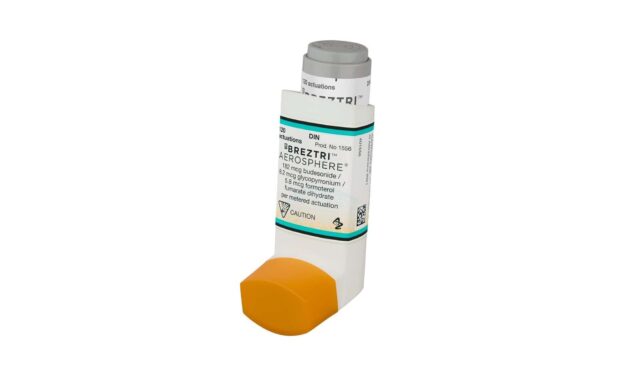
AstraZeneca’s triple-combination asthma therapy Breztri Aerosphere was approved in April 2026 for adults and pediatric patients age 12 and older.
Read More
Windward Bio is evaluating WIN378, a monoclonal antibody designed for twice-yearly dosing in patients with moderate-to-severe COPD.
Read More
A large-scale study finds that the introduction of asthma biologics in 2015 has led to immediate and sustained reductions in exacerbations at the population level.
Read More
The FDA will review a New Drug Application for Apnimed’s AD109, an investigational oral pill for the treatment of adults with obstructive sleep apnea with a target action date of Feb 28, 2027.
Read More