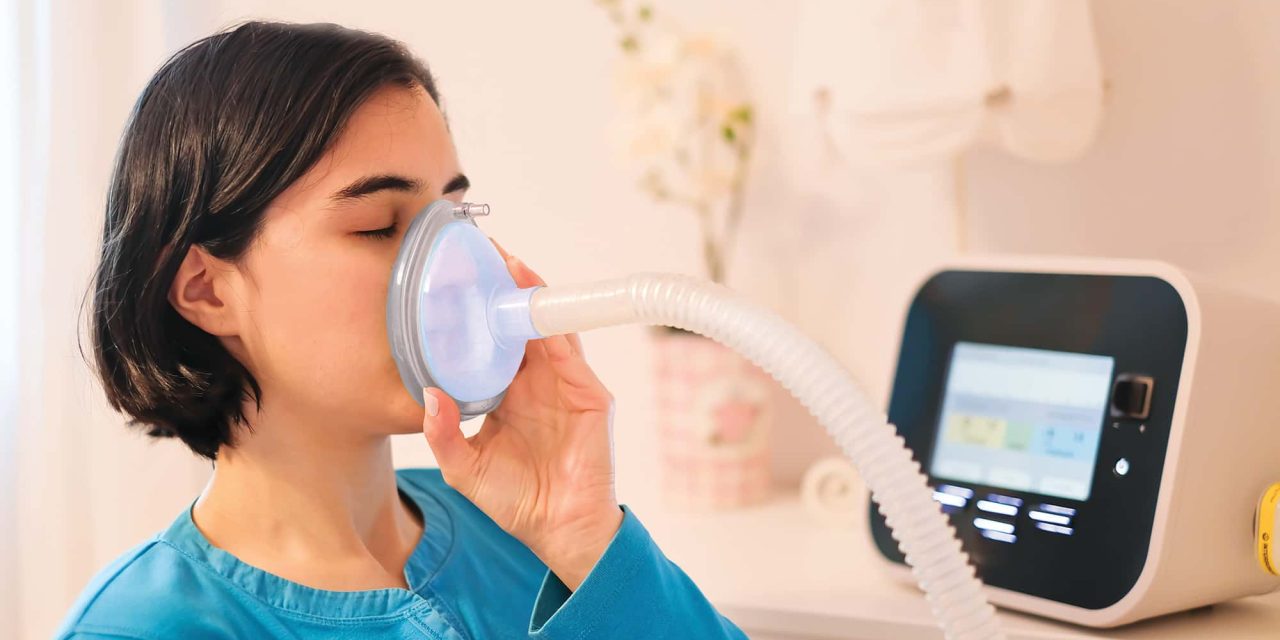
For most chronic lung disease patients, their health depends on the consistent clearance of airway secretions. In this Q&A, RT will speak with industry leaders on advances in secretion clearance technology.
For most chronic lung disease patients, their health depends on the consistent clearance of airway secretions. As such, new technological developments in this industry are essential for healthcare professionals to maximize patient comfort and outcomes, maintain respiratory health, and reduce costs. Recent trends, such as the move toward home healthcare, have influenced these new innovations and will continue to shape this market in the future.
RT Magazine recently assembled a panel of industry experts to discuss market trends in the airway clearance product market, their company’s newest innovations in this area, and the future of airway clearance devices. The participants in this discussion included:
Kristie Burns, Sr VP Business Development, Tactile Medical;
Gil Sokol, co-founder of Synchrony Medical, former head of Respiratory Therapy at the National Center for Cystic Fibrosis at the Safra Children’s Hospital, Sheba Medical Center;
Benjamin Westry, RRT, Homecare & Non-Acute Respiratory Manager, Sentec Inc.

RT: What’s new with secretion clearance therapy? What trends in the last 5-10 years have driven innovation in the ACT space?

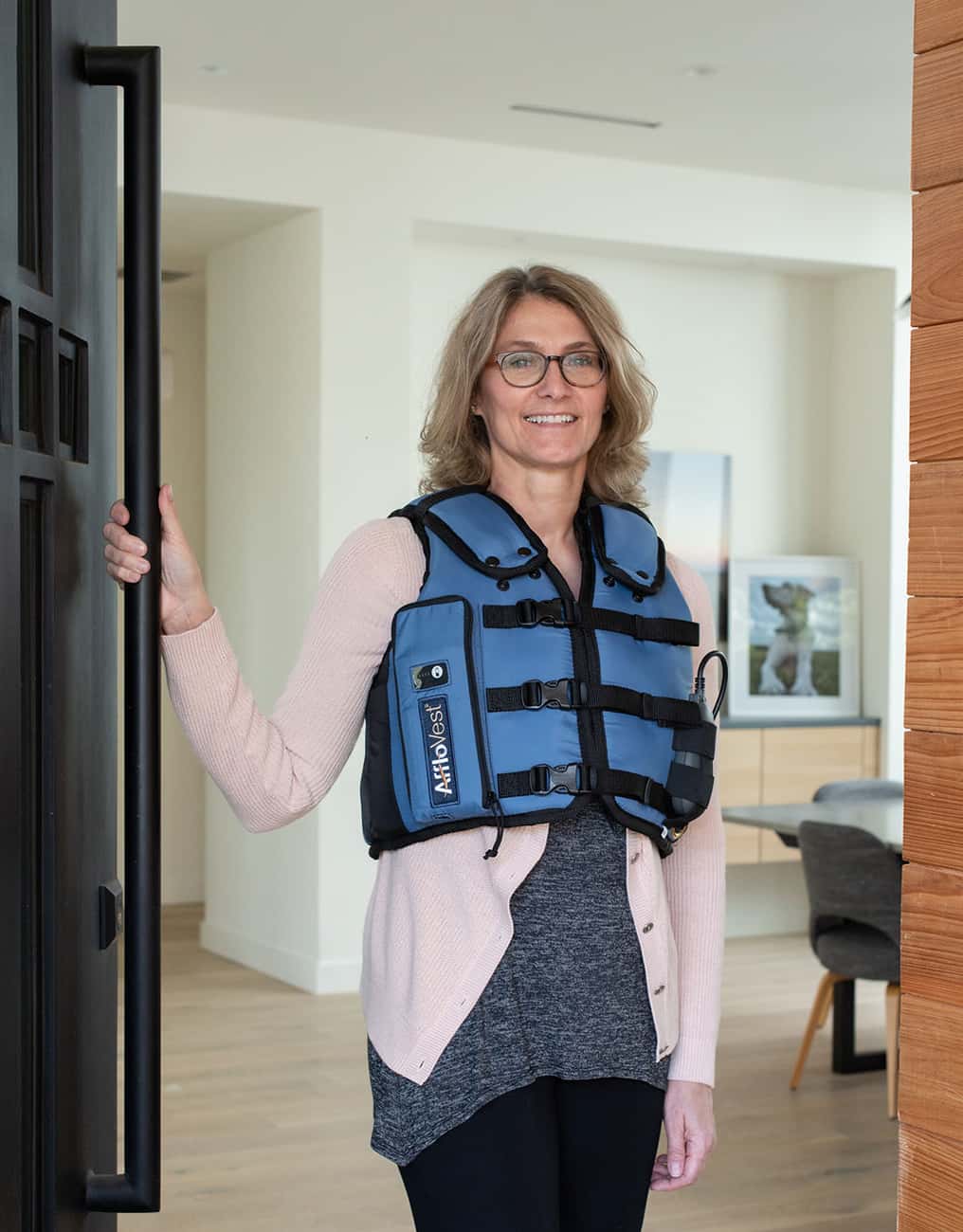
Kristie Burns (Tactile Medical): Pulmonary experts consistently note that the best airway clearance therapy is the one patients will actually use. That principle, combined with strong clinical performance, helps explain why the mobile-during-use AffloVest has quickly become the most prescribed HFCWO vest in the United States. AffloVest is a comfortable, mobile airway clearance therapy that can be used at home, at work, or on the go.
Gil Sokol (Synchrony Medical): Over the past decade, airway clearance has shifted from being an acute intervention administered during hospitalizations to treat exacerbations, toward becoming recognized as a critical daily maintenance therapy to help prevent disease progression. As understanding of the importance of routine ACT has grown among clinicians, so has the need to give patients effective options for independently managing their conditions.
New innovation is enabling the daily treatments necessary to maintain respiratory health to move into the home, allowing people living with chronic lung diseases to remain in control of their condition in a way that is convenient and sustainable.
At the same time, we’re seeing growing disease awareness, particularly in bronchiectasis, which is now being diagnosed nearly 10% more frequently each year. Greater physician vigilance means more patients are being identified and prescribed ACT, making the need for easy-to-use, effective home technologies even greater.
Benjamin Westry, RRT (Sentec): Over the past several years, secretion clearance devices have increasingly shifted toward an internal oscillation, in an attempt to mimic what the IPV has done for over 35 years. Most systems now include, or have added, some form of high frequency pulsing to support more effective mobilization of secretions. Even cough assist devices have adopted high frequency oscillation during exhalation to aid in the movement of secretions.
RT: What role is the shift toward home-based respiratory care playing in the development of clearance technologies?
Burns: As access to home-based respiratory therapies grow, patients expect more than clinical benefit; they want solutions that are comfortable, intuitive, and seamlessly fit their daily lives. In a blinded comparative study with traditional bladder style vests, 93% of patients prefer the AffloVest and 90% report likelihood of daily use.1 Its comfort, simplicity, and low-profile design support better breathing without disrupting lifestyle.
Sokol: The shift to homecare is probably the most important driver of innovation in this space right now. When patients are managing therapy independently, without a respiratory therapist present, the device must replicate the effects of a clinician-led session through an intuitive interface. Home-use respiratory devices need to be adaptable to patients’ specific needs, maintain efficacy across different disease states, and fit naturally into a daily routine.
When developing and prescribing ACT therapies, independent and convenient home use should remain the guiding principles to support long-term patient adherence. This can sometimes present additional challenges that must be addressed from early design stages. For example, while Autogenic Drainage (AD) is known to be a very effective airway clearance technique, it traditionally requires significant training and ongoing therapist support. When designing LibAirty, we aimed to create a device that translated this clinician-administered technique into something patients can use effectively and operate completely on their own at home, every day.
Westry: The growth of multidisciplinary teams in the outpatient setting for pediatrics has significantly improved patient awareness of available secretion management options. While these devices have long existed, manufacturers have often struggled to find DMEs willing to navigate the documentation required for insurance coverage. As clinical knowledge has expanded and demand for home based care has increased, the market has pushed medical device manufacturers to make these therapies more accessible across both home and hospital environments, supporting a more consistent continuum of care.
RT: Tell us specifically about your secretion clearance device(s). What are some of the features and advantages it offers?
Burns: The fifth-generation AffloVest has undergone numerous sequential improvements since market introduction in 2013. While it has always touted a significant advantage in being mobile during use, its design iterations refined the ergonomic fit, making it lighter and more comfortable. Its adjustability enhancements make it easier to ensure snug opposition to the chest wall for effective therapy delivery from our unique and targeted Direct Dynamic Oscillation.

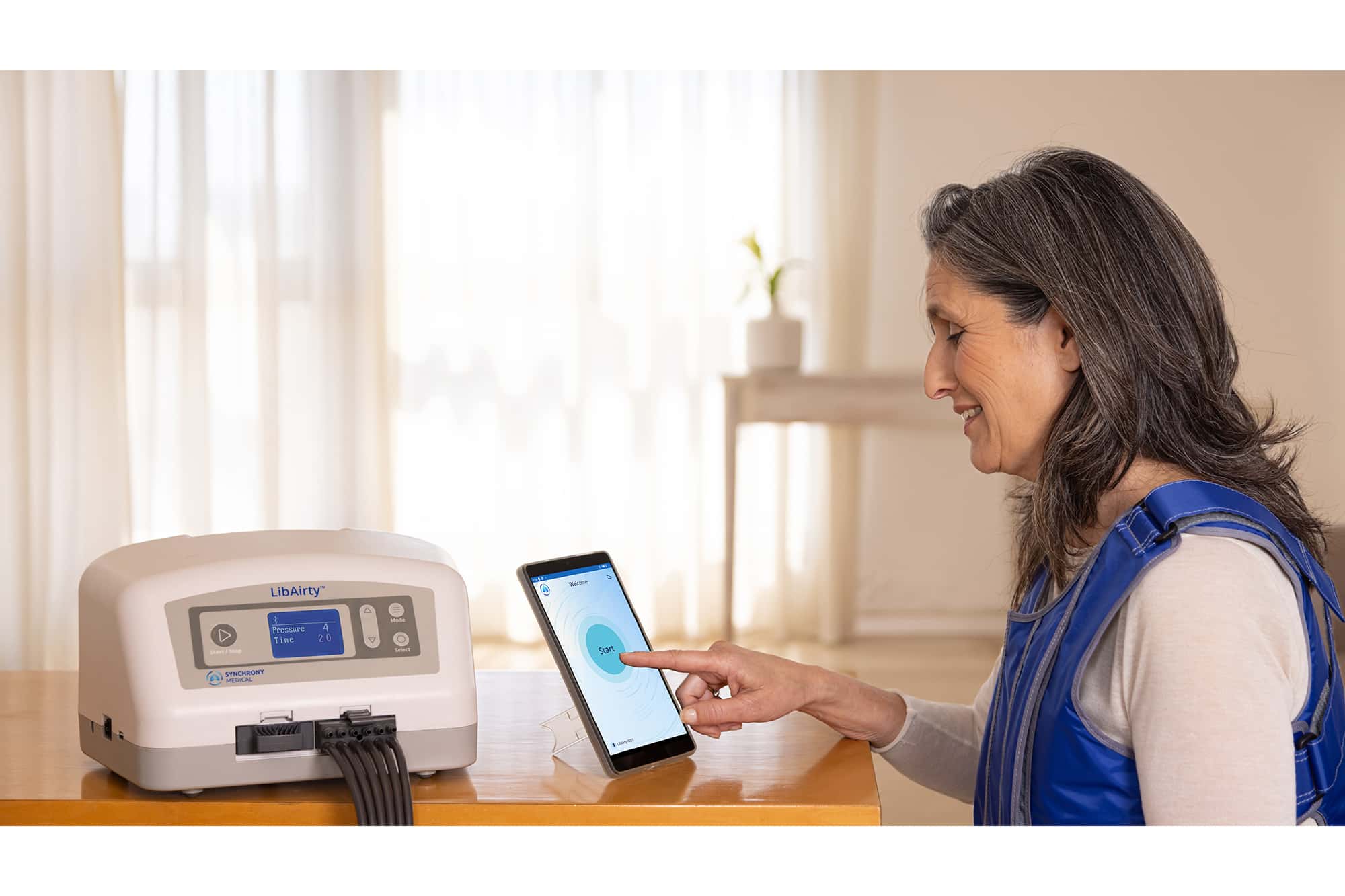
Sokol: Inspired by the principles of Autogenic Drainage, the FDA-cleared LibAirty Airway Clearance System synchronizes app-guided breathing with targeted chest compressions delivered through an inflatable vest. The core clinical insight behind the technique is that mucus mobilization—particularly from the smaller, distal airways—depends on maximizing airflow through different lung generations by modulating breathing at varying lung volumes. This creates the essential shear forces that detach secretions from the bronchial walls without causing premature airway closure.
The AD technique is characterized by three distinct phases: unstick, collect, and evacuate. LibAirty guides patients through controlled breathing phases via the app while the vest delivers synchronized compressions to promote breathing at different lung volumes.
In clinical studies conducted at Sheba Medical Center and the Medical University of South Carolina, patients using LibAirty cleared twice the amount of sputum compared to conventional vest-based therapy, while also reporting increased comfort and higher satisfaction scores. Adherence in chronic respiratory disease is heavily dependent on how therapy feels in daily use, and patients in our studies described the ability to clear their airways more effectively than before. Since launching commercially in the US in late 2025, that response has carried through into the real world, with both patients and clinicians reporting meaningful impact on daily condition management.
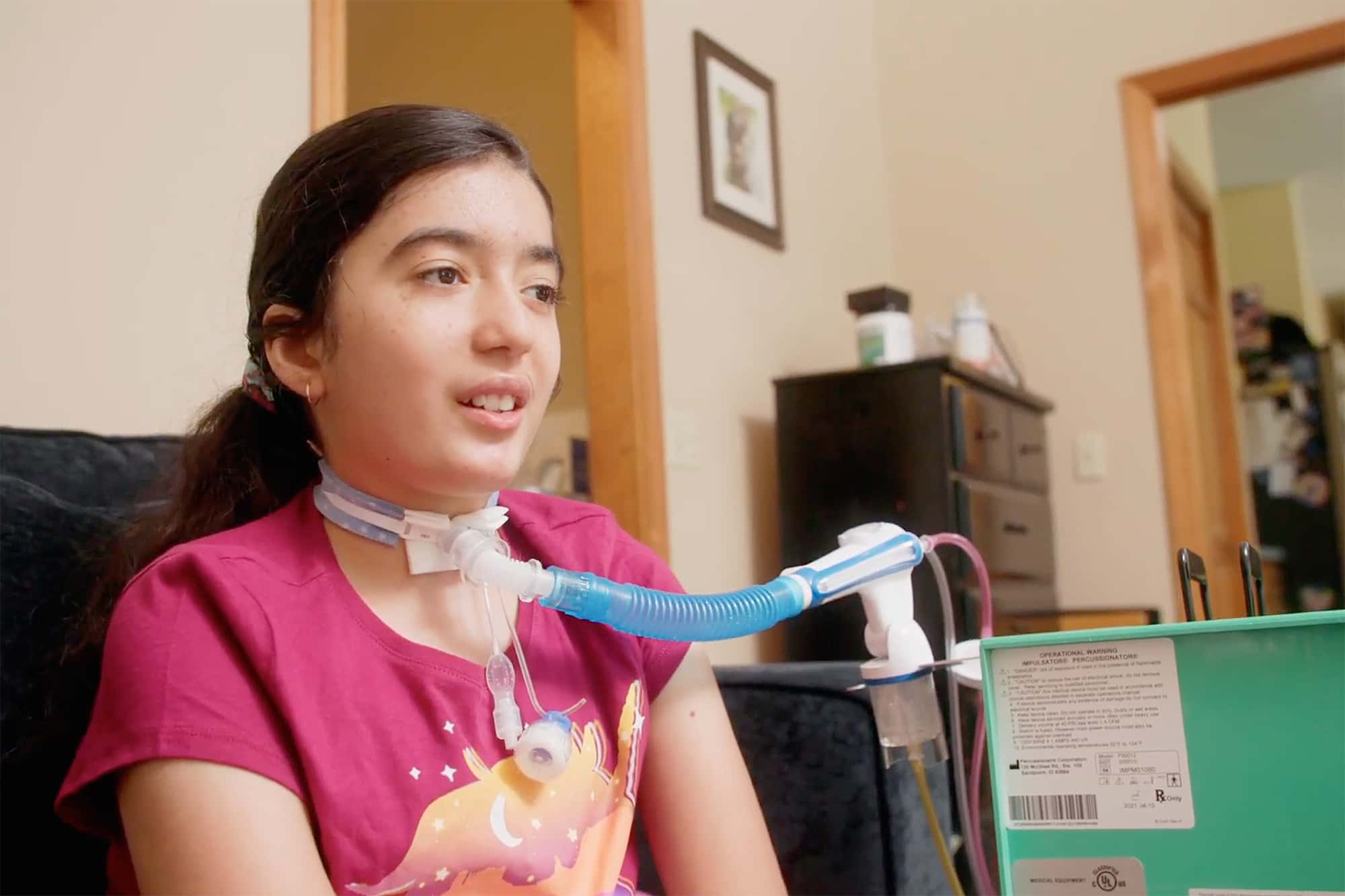
Westry: IPV has long been recognized as one of the earliest and most trusted secretion clearance technologies, and its origins with Dr. Bird set it apart from many of the solutions available today. The technology’s defining strength is the ability for clinicians and patients to precisely adjust both frequency and amplitude, allowing therapy to be tailored to the individual’s airway mechanics rather than relying on a fixed oscillation pattern. Because every chest wall and every set of lungs respond differently, this ability to “dial in” the optimal percussive frequency is central to achieving effective secretion mobilization. Fixed frequency devices cannot adapt in this way, which limits their ability to consistently move secretions from the distal airways.
IPV’s adjustable approach allows the clinician to identify the therapeutic “sweet spot” where gas exchange improves, airway obstruction is reduced, and atelectasis is treated by the clinician. This adaptability applies across interfaces—mask, tracheostomy, endotracheal tube, or mouthpiece—making the system versatile and safe in a wide range of clinical scenarios.
A 2021 comparison2 in Respiratory Care reported secretion clearance rates of 61% with IPV versus 17% with a competing device, underscoring the clinical impact of individualized percussive therapy.
Behind these performance advantages, the sliding venturi mechanism remains a distinctive feature of the technology. Its ability to adjust dynamically to compliance and resistance changes contributes to IPV’s unique therapeutic profile and differentiates it from other devices currently on the market.
RT: Airway clearance is rarely prescribed as a monotherapy for chronic lung disease patients. How important are proper pharmacotherapy, pulmonary rehab, and other factors when it comes to ACT success?
Burns: ACT success is complex and uniquely personal to patients for a myriad of reasons, and therefore respiratory experts promote a range of therapies used together. Experts maintain that airway clearance therapies need to remain first line as essential ‘source control’ to limit the bacterial load within the airways despite promising pharmaceuticals such as modulator therapy or DPP1 inhibitors.
Sokol: Airway clearance is rarely a monotherapy because it relies on clinical synergy. Pharmacotherapy—specifically bronchodilators and mucolytics—effectively prepares the lungs for treatment by opening airways and thinning secretions. Integrating these treatments is essential to amplify the therapeutic effect and provide more holistic care. Without proper preparation, ACT effectiveness may be limited by physical barriers like bronchospasm and high mucus viscosity.
Westry: A patient’s treatment plan should incorporate bronchial hygiene and percussive therapy across a wide range of respiratory diagnoses, and our device supports this by integrating nebulization as a standard feature. Whether delivering 0.9% saline or other prescribed inhaled medications, the added hydration and therapeutic effects help loosen secretions and enhance gas exchange in the distal airways. It is important to recognize that there is no single “silver bullet” in secretion management; airway clearance techniques, medication therapy, and rehabilitation each serve a distinct purpose, and together they contribute to the patient’s overall recovery and long term respiratory health.
RT: Speaking of integration, how are ACT therapies being integrated— such as combining separate ACT methods or combining ACT with aerosol delivery, monitoring—as a strategy to improve efficiency and versatility?
Burns: The most effective ACT routines are those that patients can easily maintain. Efficiency and versatility help, for example simultaneous nebulizer and vest therapy use. Automated monitoring is increasingly available, as seen in sleep and diabetes care, delivering reminders, progress tracking, and objective feedback for both patients and clinicians.
Sokol: Integration is one of the most promising directions in the field. Traditionally, different airway management modalities, including various ACT methods, have been applied separately, requiring patients to navigate multiple steps or devices. Combining them into a single treatment regimen, such as aerosol delivery synchronized with ACT, both simplifies the patient experience and can enhance clinical outcomes by allowing each modality to reinforce the other. As devices become smarter and more connected, multi-modal integration is likely to become standard practice across ACT protocols.

Westry: This is very commonly done, especially with neuromuscular patients. Many of these patients need to utilize an IPV to mobilize the secretions from the distal airways and into the central airways. Then since these patients have a weakened cough to continue to move those secretions out of the lungs then they will combine IPV with a cough assist device to aid in the central airways.
The cough assist device by itself will generally only move the secretions from the 4th or 5th generation of the airways but the IPV will move it from the distal airways and then they create a great combination for the patient.
RT: How are companies prioritizing clinical-based evidence for secretion clearance therapies? Do clinical evidence gaps exist when it comes to demonstrating long-term outcomes, adherence, and cost-effectiveness, etc?
Burns: Pulmonary experts and clinical guidelines endorse secretion clearance therapies. Vest therapies, in use since the 1980s, have extensive retrospective data showing reductions in hospitalizations, emergency visits, and antibiotic use. However, widely accepted, clinically meaningful endpoints for prospective studies limit further scientific advancement.
Westry: Speaking for Sentec, we have a strong portfolio of clinically based studies demonstrating the effectiveness of our devices in improving patient outcomes. While some competitors have produced bench data, they have not, to our knowledge, published comparable clinical evidence. Continued research across the field is both necessary and welcomed. Because Dr. Bird’s technologies have been in clinical use for decades, many of his devices—including IPV—have been extensively evaluated and validated by healthcare professionals. A recent study in pulmonary rehabilitation further highlights this impact: COPD patients who received IPV therapy over a four-week period increased their six-minute walk distance by an average of 95 meters. Clinicians attributed these gains to improved secretion clearance, reduced hyperinflation, recruitment of distal airways, and enhanced overall gas exchange efficiency.
RT: How are companies prioritizing clinical-based evidence for secretion clearance therapies? Do clinical evidence gaps exist when it comes to demonstrating long-term outcomes, adherence, and cost-effectiveness, etc?
Burns: Pulmonary experts and clinical guidelines endorse secretion clearance therapies. Vest therapies, in use since the 1980s, have extensive retrospective data showing reductions in hospitalizations, emergency visits, and antibiotic use. However, widely accepted, clinically meaningful endpoints for prospective studies limit further scientific advancement.
Westry: Speaking for Sentec, we have a strong portfolio of clinically based studies demonstrating the effectiveness of our devices in improving patient outcomes. While some competitors have produced bench data, they have not, to our knowledge, published comparable clinical evidence. Continued research across the field is both necessary and welcomed. Because Dr Bird’s technologies have been in clinical use for decades, many of his devices—including IPV—have been extensively evaluated and validated by healthcare professionals. A recent study in pulmonary rehabilitation further highlights this impact: COPD patients who received IPV therapy over a four-week period increased their six-minute walk distance by an average of 95 meters. Clinicians attributed these gains to improved secretion clearance, reduced hyperinflation, recruitment of distal airways, and enhanced overall gas exchange efficiency.
RT: What other advancements in technology, or expanded clinical indications, do you foresee in the next five years and beyond? Or, what is your company working on near-term/long-term?
Burns: We expect airway clearance therapies to become increasingly user-friendly, and integrated with other home therapies. We know the patient/user experience is critical to adherence. It is an exciting time to partner with providers, and lift care for patients with chronic respiratory conditions.
Sokol: The ongoing staffing crisis in inpatient respiratory care is accelerating the push for solutions that can autonomously deliver expert-level therapy without requiring a therapist at the bedside. At the same time, home-use and remote patient monitoring technology is continuously advancing. Together, these trends are creating the conditions for a new generation of patient-centric solutions that can monitor treatment response and adjust therapy in real time, effectively extending the reach of respiratory care without extending the demand on clinical staff.
Additionally, growing awareness of conditions like bronchiectasis is expanding the patient population who require effective, long-term ACT solutions. As diagnosis rates rise, so does the need for therapies that patients can sustain over time; devices that are comfortable, intuitive, and noticeably effective will support patient adherence and significantly improve routine disease management. These two forces together are pushing the field toward a different model of respiratory care that will empower patients and create better outcomes.
Westry: Sentec’s position is that pairing our tCom+ transcutaneous CO₂ monitor with IPV therapy offers clinicians a meaningful way to support patients using NIV and potentially reduce hospital readmissions. This combination provides not only an effective airway clearance intervention but also continuous visibility into overnight CO₂ trends, giving physicians actionable insight into a patient’s ventilatory status and allowing earlier identification of deterioration.
Sentec can also utilize our newly released Electrical Impedance Tomography (EIT), and when combined with our IPV, it allows us to visualize improvements in lung recruitment in real time as the patient progresses through therapy. This integration helps guide our treatment approach to achieve the most optimal outcomes.
RT
For more information, contact [email protected].
References
- Wetherby M, Dunn N, Mullenix V, et al. A Patient Preference Study of High-Frequency Chest Wall Oscillation Devices. RT Magazine. May/June 2023. https://respiratory-therapy.com/sponsored/a-patient-preference-study-of-high-frequency-chest-wall-oscillation-hfcwo-devices/
- Conomon D, Alturo L. High Frequency Percussive Airway Clearance Utilizing Two Devices in Simulation of Mucous Clearance, Without Spontaneous Breathing, Both With and Without Mechanical Ventilation. Respiratory Care. 2021;66(10_suppl):3584084. doi:10.4187/respcare.20213584084