Wastewater Testing Detects C. auris Months Before Outbreaks
Sampling sewage lines directly serving healthcare facilities allows scientists to identify...

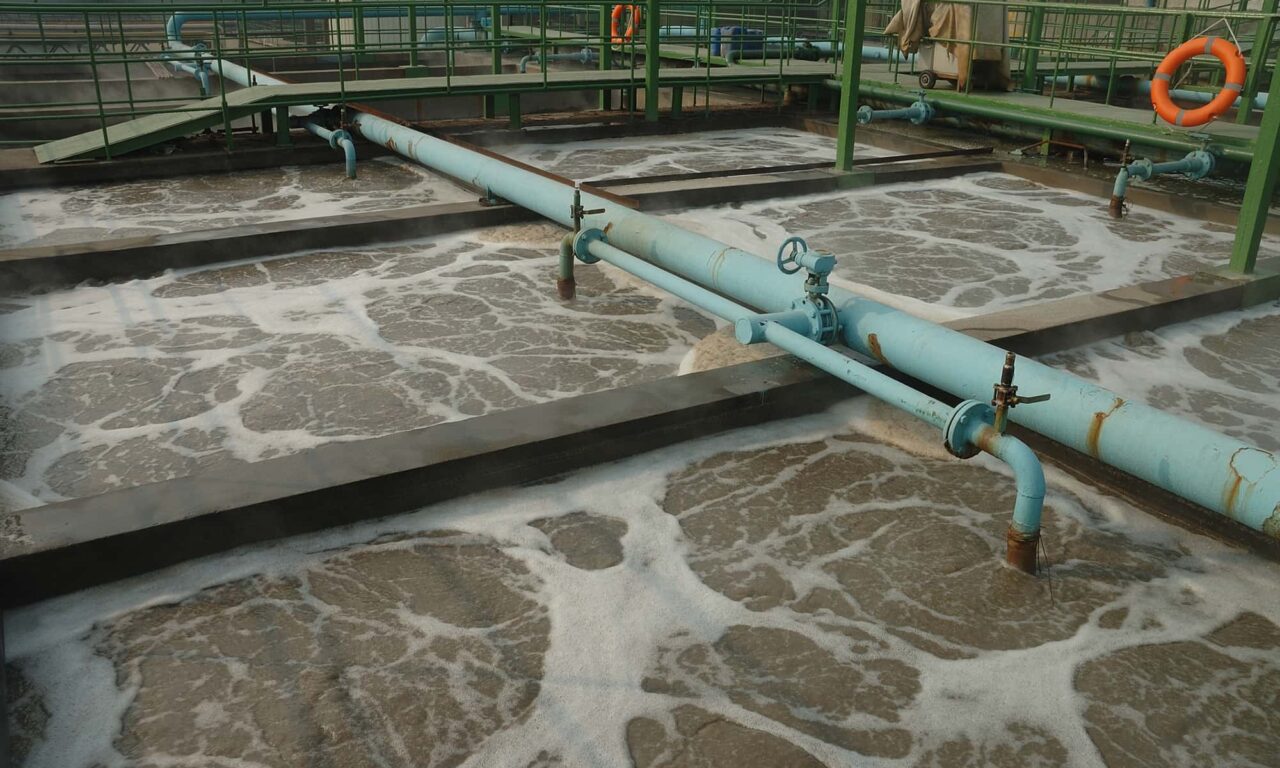
Sampling sewage lines directly serving healthcare facilities allows scientists to identify...
Sampling sewage lines directly serving healthcare facilities allows scientists to identify...
Read More
Higher rates of Legionnaires’ disease were found in ZIP codes served by water treatment plants that use chlorine as the primary disinfectant.
Read More
The New York City Department of Health and Mental Hygiene reported a sixth death as an outbreak of Legionnaires’ disease continues to plague the city’s Harlem neighborhood.
Read More
Declining atmospheric sulfur dioxide levels might be related to the global rise in Legionnaires’ disease—a severe form of pneumonia.
Read MoreLancet Respiratory Medicine reports that respiratory health effects can be overlooked in the aftermath of flooding and heavy rainfall.
Read MoreEach year more than 150 people die from the result of flooding, many during the re-entry process from electrocution, carbon monoxide poisoning, or other accidents occurring during remediation.
Read More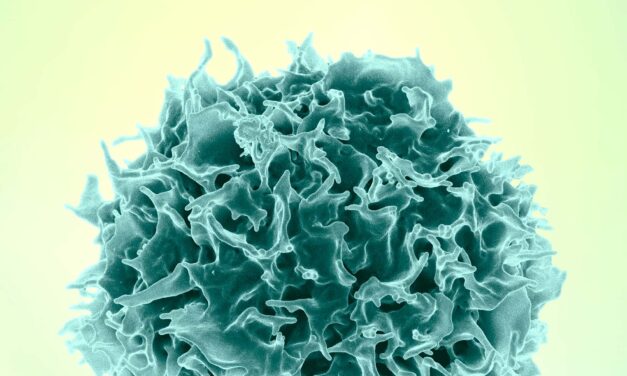
A new population of immune cells called monocyte-derived cells are responsible for attacking Legionella pneumophila in the lungs.
Read More
In the last year, about 5,000 people were diagnosed with Legionnaires’ disease and more than 20 outbreaks were reported to CDC.
Read More
In response to a public records request from CNN regarding the 2014 Flint, Michigan outbreak of Legionnaire’s disease, the Michigan DOH originally asked for payment of $11,071 to release the documents.
Read More
A study at the University of Pittsburgh led by Victor L. Yu, MD, PhD, found that the water supply is a major culprit in hospital-acquired legionnaire’s diseases.
Read More