
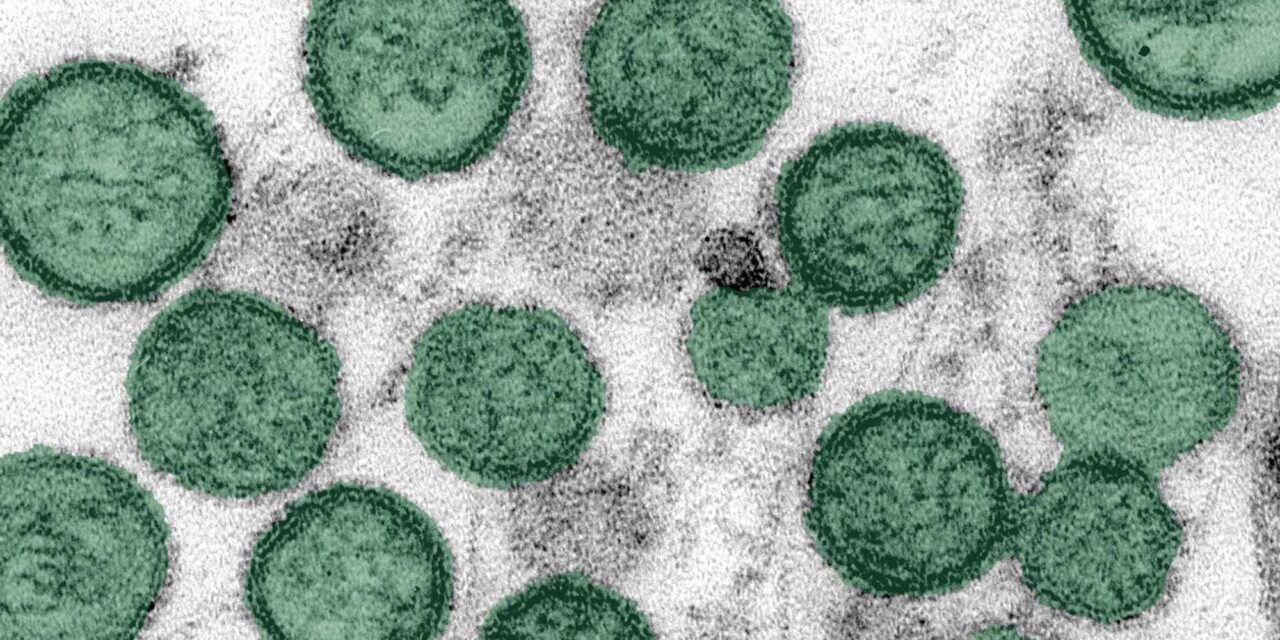
Researchers linked a fatal South Atlantic outbreak of the Andes virus to an established viral lineage from northern Patagonia.
RT’s Three Key Takeaways:
- Person-to-Person Spread: Epidemiological and genomic investigations confirmed that Andes virus transmitted between individuals aboard a cruise ship during a South Atlantic voyage, sickening 13 people and causing three deaths.
- Patagonian Genetic Lineage: Researchers traced the outbreak strain to an established viral lineage circulating in northern Patagonia between 2018 and 2025, finding no evidence of a newly mutated or unusually transmissible variant.
- Global Healthcare Cooperation: Laboratories across seven countries and the World Health Organization coordinated genomic analyses to verify minor genetic differences, underscoring the necessity of international networks for emerging respiratory pathogens.
An international investigation into a fatal hantavirus outbreak aboard a cruise ship in the South Atlantic identified strong evidence of person-to-person transmission and traced the pathogen to a known lineage circulating in South America, according to two studies [1] [2] published in Science and reported by the Icahn School of Medicine at Mount Sinai.
The outbreak took place aboard the MV Hondius, which left Ushuaia, Argentina, on April 1, 2026. During the voyage across the South Atlantic, crew members and passengers developed severe respiratory illnesses, resulting in 12 laboratory-confirmed infections, one probable case, and three deaths. Diagnostic testing conducted by South Africa’s National Institute for Communicable Diseases (NICD) initially detected hantavirus, which subsequent testing confirmed to be Andes virus, an endemic pathogen found in Chile and Argentina.
Evidence of Human-to-Human Transmission at Sea
While the vast majority of hantaviruses are transmitted to humans strictly via contact with infected rodents, Andes virus possesses the documented ability to transmit from person to person, according to the researchers. To evaluate whether cases resulted from independent pre-departure exposures or onboard transmission, researchers analyzed symptom timelines, documented passenger contacts, and viral genome sequences.
Laboratories across Canada, France, the Netherlands, Senegal, South Africa, Spain, and Switzerland generated viral sequences that showed marked genetic similarity, Mount Sinai reported. One key case involved an individual who developed clinical symptoms on May 31, approximately 60 days following departure and after close contact with an infected patient, exceeding the standard 45-day incubation period and confirming transmission occurred during the voyage, according to the investigation.
The research teams noted that the virus did not represent a newly evolved strain with altered transmissibility, but rather an existing pathogen displaying known human-to-human transmission patterns.
“No single laboratory could have told this story on its own,” said Gustavo Palacios, PhD, professor of microbiology at the Icahn School of Medicine at Mount Sinai. “Some teams understood the virus’s history in South America, while others brought expertise in outbreak investigation, diagnostics, or genomic analysis. What made the difference was our ability to bring that knowledge together, challenge our own assumptions, and independently verify the evidence. That’s what allowed us to build a stronger and more reliable picture of what happened.”
Tracking the Lineage to Northern Patagonia
In the companion study, investigators compared the shipboard sequences to historical surveillance samples maintained by Argentina’s Administración Nacional de Laboratorios e Institutos de Salud Dr Carlos G Malbrán (ANLIS-Malbrán), according to the Mount Sinai report. The outbreak sequences closely matched viruses identified near Villa Meliquina, Argentina, in 2018, as well as related strains identified in Neuquén Province between 2018 and 2025, revealing sustained regional circulation.
Investigators also reviewed travel records, border crossings, and rodent habitats for the index cases—a couple traveling by motor home who both died before detailed exposure histories could be obtained, according to the study. The couple had entered Argentina via the Icalma Pass 62 days prior to developing symptoms on April 3, placing their documented presence in that specific area outside the typical 45-day incubation period, which left the exact location of primary spillover unresolved despite the confirmed genetic lineage.
Significance for Global Healthcare and Surveillance
Because closely related viral transmissions may vary by only one to five nucleotides, international partner teams shared raw sequencing files and standardized analytical methods to prevent sequencing artifacts from skewing transmission maps, the researchers stated. The World Health Organization (WHO) helped direct cross-border communication, while laboratories at Geneva University Hospitals, the University of Geneva, and the University of Zurich released the first complete outbreak genome on May 7 to support worldwide analysis.
“These studies demonstrate the power of international collaboration. The rapid sharing of epidemiological and genomic data across borders, and the close collaboration of Member States and academic, technical and operational partners, were essential throughout,” said Maria Van Kerkhove, director of the WHO’s Department of Epidemic and Pandemic Management. “The International Health Regulations and coordination by the World Health Organisation were vital in facilitating the timely exchange of information between Africa, South America, Europe, and the wider world. Infectious diseases do not respect borders, and controlling them requires strong partnerships, transparent information-sharing, and sustained investment in preparedness, surveillance, laboratory networks, and emergency response.”