In recognition of World COPD Day on November 19, the Forum of International Respiratory Societies (FIRS), including the American Thoracic Society (ATS), is highlighting the importance of correctly diagnosing COPD earlier – with the theme “Short of Breath, Think COPD.”
COPD is a preventable and treatable condition marked by breathlessness, chronic sputum production and cough, claiming three million lives globally each year —particularly in low-resource countries — and is expected to increase due to aging populations and ongoing exposure to risks like tobacco smoke and air pollution.
Although COPD is a common, preventable, and treatable disease, extensive under-diagnosis, misdiagnosis, and late-diagnosis lead to patients receiving no treatment, incorrect treatment, or less effective treatment. Studies from across the world suggest that up to 70 percent of adults with COPD remain undiagnosed, with rates even higher in low and middle-income countries.(1,2,3) Undiagnosed COPD can lead to greater symptom burden, poor quality of life, impaired work productivity, and poorer overall general health status.(4)
There are many factors that can lead to inappropriate or missed diagnosis, including patient-, healthcare system-, and provider-related factors. Patients may not recognize or report symptoms accurately, healthcare systems may not have resources to adequately train staff in respiratory health, or providers may have a poor understanding of COPD diagnostic criteria.
Health providers should look for the following risk factors:
- Age ≥ 35 years
- Exposure to risk factors (tobacco smoke, household and outdoor air pollution, occupational exposures)
- Genetic factors
- Prematurity and early life disadvantage factors
- Respiratory symptoms.
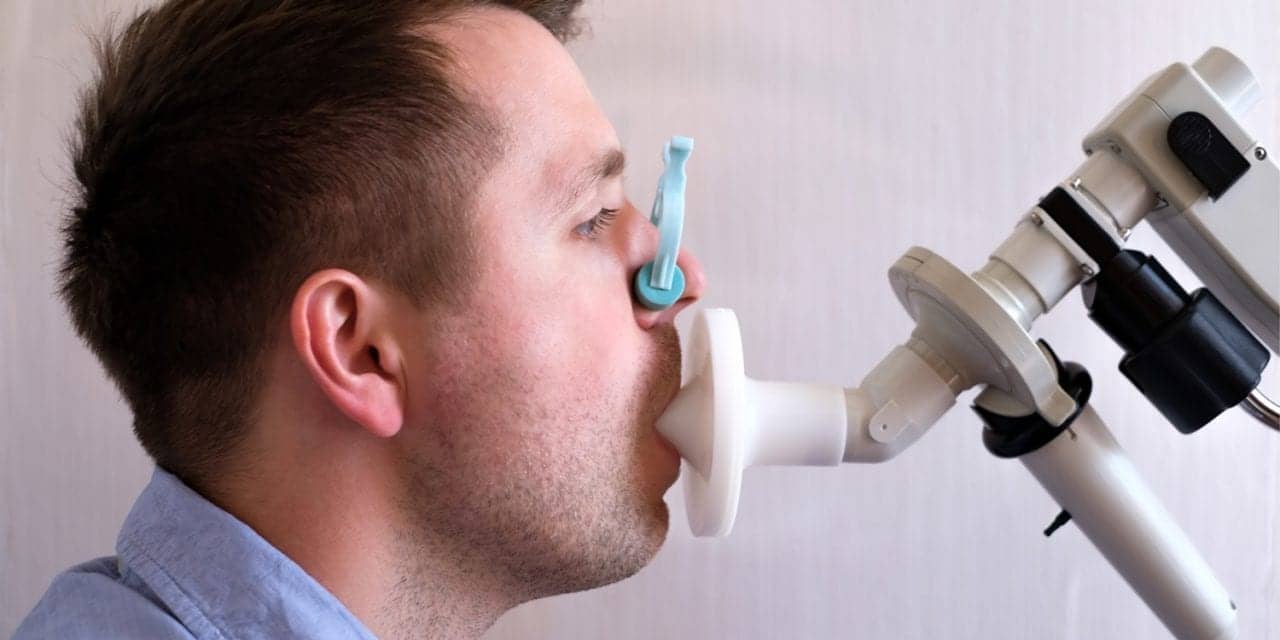
Accurate and timely diagnosis of COPD can improve quality of life and health outcomes. Based on currently available evidence, GOLD advocates for active case finding, including performing spirometry in individuals with symptoms and/or risk factors.(5)
Although there is currently no cure for COPD, steps to help improve diagnosis can have a positive impact on future health. Medications like bronchodilators as well as exercise and pulmonary rehabilitation can help Patients and families can help advocate for more research and better access to care, including routine spirometry screenings and telehealth access for patients in remote settings. In addition, providers and policy makers can work together to improve access to spirometry and advocate for its use as a general health marker in all stages of life. Health systems can work to increase academic training programs specializing in respiratory health, as well as improve training in COPD diagnostic criteria, including the use and interpretation of spirometry.