
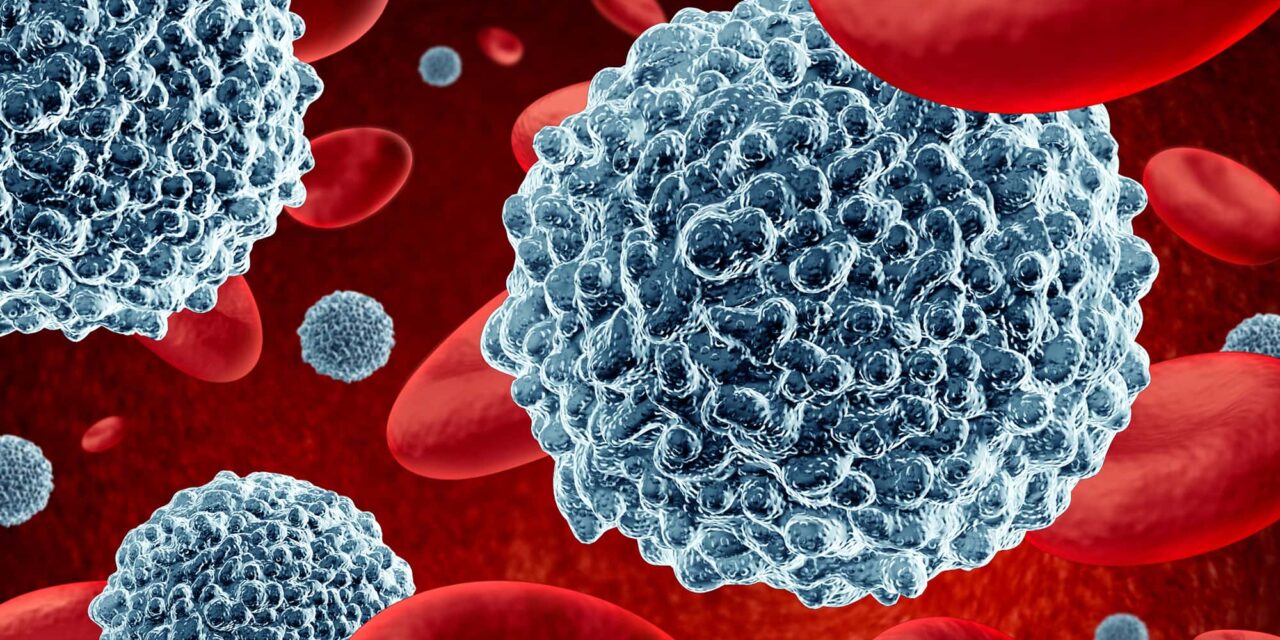
The FT-IR microspectroscopy blood test detected a single circulating tumor cell (CTC) in one patient with lung cancer using cytospun raw blood samples.
By Anaya Malik
Liquid biopsy is reshaping how clinicians think about cancer detection and follow up, and circulating tumor cell (CTCs) remain a highly informative target for monitoring disease dynamics. However, current CTC isolation approaches can be difficult to standardize at scale. Methods that depend on antigen expression may miss tumor cells that lack the selected markers, while techniques based on physical properties can be operator dependent and challenging to automate, contributing to variable performance and time intensive workflows.
Against this backdrop, the study presents a proof-of-concept blood test approach designed to identify CTCs without relying on labels or single marker expression.
Researchers applied Fourier transform infrared (FT-IR) microspectroscopy to cytospun blood samples and paired the spectral output with a random forest classifier. Using this FT-IR microspectroscopy blood test workflow, the team reported detection of a single CTC in the blood of a patient with lung cancer, with the identified cell confirmed using immunohistochemistry.
Rather than isolating cells by size or surface proteins, the approach classified cells by biochemical composition derived from infrared spectra. The classifier was trained using FT-IR spectral data collected from in vitro grown lung cancer cells, then deployed to distinguish a rare CTC from surrounding blood cells in the patient sample. The authors emphasized discriminatory spectral features within the fingerprint region, reported as 1800 cm-1 to 1350 cm-1, supporting precise identification of a single CTC.
A practical feature of the method is its use of glass coverslips as the substrate, materials routinely used in pathology settings. The authors note this choice could support smoother alignment with downstream histopathological workflows, including staining and immunohistochemistry, rather than forcing parallel, specialized preparation routes.
While positioned as an early proof of concept, the findings introduce FT-IR microspectroscopy as a label free liquid biopsy strategy that could improve accessibility and consistency in CTC detection. The authors suggest that, if validated and expanded, this FT-IR microspectroscopy blood test concept may support real time monitoring and improved patient stratification in personalized oncology.
Reference
Dowling L et al. Fourier Transform Infrared Microspectroscopy as a Liquid Biopsy Tool to Detect Single Circulating Tumour Cells in the Blood of a Lung Cancer Patient. Applied Spectroscopy. 2025;0(0):doi:10.1177/00037028251390565.
This article was originally published by EMJ and was made available under the terms of the Creative Commons Attribution-Non Commercial 4.0 License.