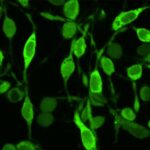

Compounds isolated from urban soil could provide new therapeutic payloads for targeted bacterial treatments against solid tumors.
RT’s Three Key Takeaways:
- Potent Cytotoxicity: Secretions from Bacillus bacteria isolated from public park soils destroyed five distinct lung cancer cell lines in laboratory tests.
- Tumor Colonization: Researchers demonstrated that non-toxic Bacillus subtilis can penetrate and colonize the oxygen-depleted core of three-dimensional lung tumor spheroids.
- Engineered Delivery Model: Mathematical modeling indicates that expressing soil-derived toxic compounds within safe bacterial carriers could shrink lung tumors while limiting toxicity to healthy tissue.
Researchers at Columbia University have discovered that soil bacteria gathered from public parks produce compounds capable of destroying lung cancer cells, according to a study published in BioDesign Research.
The investigation evaluated environmental bacteria as potential sources for cancer therapeutics, focusing on Gram-positive Bacillus species. Gram-positive species offer notable biological advantages over traditional Gram-negative platforms such as Escherichia coli and Salmonella typhimurium, as many Bacillus species are generally recognized as safe, readily secrete functional proteins, and can integrate foreign genetic material into their genomes.
Screening Urban Soil for Antitumor Activity
Across 25 parks in Manhattan, New York, investigators isolated 17 fast-growing bacterial colonies, with more than 80% belonging to the genus Bacillus, according to the study. Laboratory evaluations revealed that secretions from all 17 isolates killed five lung cancer cell lines in a dose-dependent manner, demonstrating half-maximal inhibitory concentration (IC50) values ranging from 0.1% to 43% by volume.
Whole-genome sequencing pinpointed four specific toxic strains: Bacillus wiedmannii Bag5X-2, Bacillus amyloliquefaciens plantarum, Bacillus thuringiensis YBT-1518, and Bacillus cereus Hub2-9/tyoonesis. Size-fractionation analysis categorized the active mechanisms into two functional classes:
- B. wiedmannii and B. amyloliquefaciens plantarum mediated cell death primarily through high-molecular-weight compounds exceeding 100 kilodaltons, characteristic of protein toxins such as hemolysin BL.
- B. thuringiensis and B. cereus functioned via low-molecular-weight compounds below 3 kilodaltons, indicating the presence of small-molecule toxins.
Penetrating Tumor Cores
Solid lung tumors frequently possess hypoxic inner cores that impede conventional systemic treatments. To evaluate whether Bacillus species could colonize these environments, the research team tested non-toxic Bacillus subtilis modified with green fluorescent protein (GFP) against three-dimensional H460 lung tumor spheroids.
Following repeated washings and treatment with the poorly diffusible antibiotic gentamicin, B. subtilis established colonization inside the central core of the spheroids, reaching approximately 400 colony-forming units (CFU) per spheroid by day eight, according to the research team.
To simulate therapeutic delivery, the investigators constructed an ordinary differential equation (ODE) mathematical model. The model showed that toxin-producing B. subtilis could effectively shrink tumor spheroids, with higher therapeutic potency resulting in faster regression. In addition, the simulations indicated that antibiotic administration cleared bacterial populations outside the spheroid while internal populations decreased as the tumor contracted.
Engineering Future Respiratory Therapeutics
Rather than administering raw soil isolates directly to patients, the authors outlined a synthetic biology strategy aimed at oncology and respiratory healthcare applications.
“The study reframes urban park soil as a discovery engine for microbial cancer therapy,” said the study authors, in a news release. The most viable clinical path involves identifying these specific cytotoxic payloads and expressing them within a safe delivery chassis such as B. subtilis.
The ordinary differential equation model clarifies how bacterial growth, antibiotic clearance, and toxin potency interact within tumor tissue, said the researchers, in a news release, adding that engineered strains must now undergo animal testing to confirm the predicted therapeutic window.
The research was supported by the National Institutes of Health (NIH). Investigators noted that future development will evaluate genetic safety switches, tumor-specific promoters, and synchronized lysis circuits to target lung tumors while preventing systemic adverse events.