
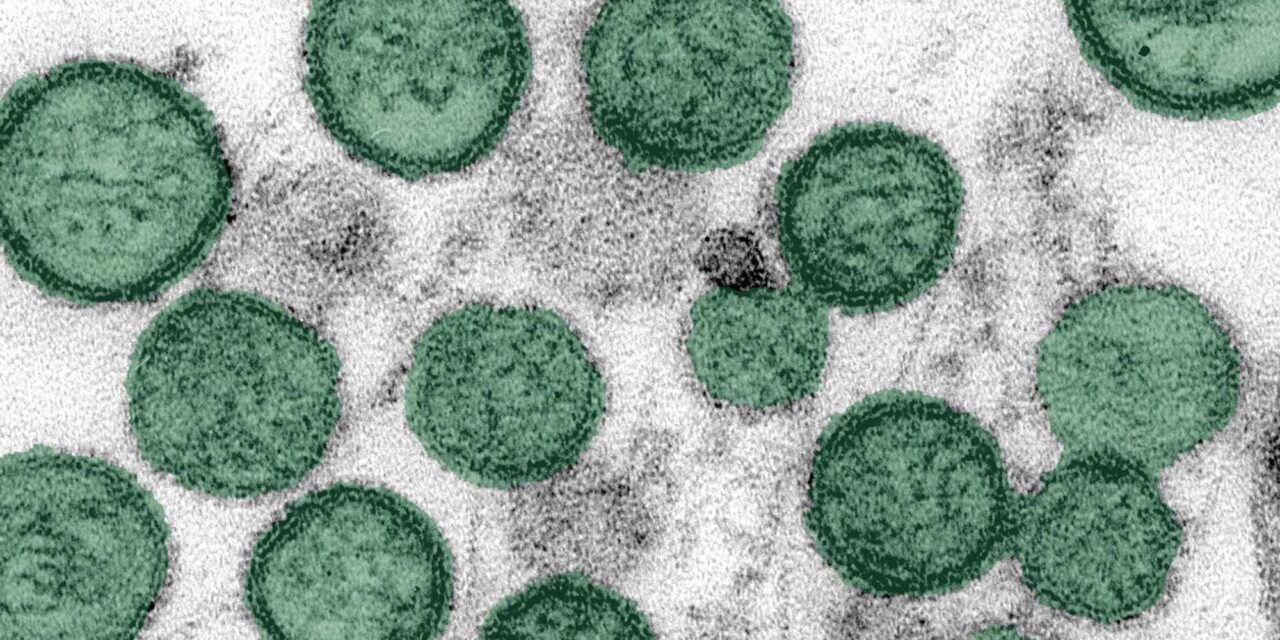
Genetic analysis of hantavirus cases aboard a passenger vessel demonstrates secondary transmission among individuals in close contact.
RT’s Three Key Takeaways:
- Person-to-Person Transmission: An international investigation confirmed that an outbreak of Andes virus aboard a cruise ship involved secondary human-to-human spread rather than rodent exposure alone.
- Severe Respiratory Toll: The shipboard outbreak presented as hantavirus pulmonary syndrome (HPS), affecting 13 passengers and leading to three deaths.
- Prolonged Exposure Window: One patient showed symptoms 60 days after departure following close contact with an infected individual, well beyond the typical six-week rodent-borne incubation window.
An international research consortium confirmed that an outbreak of hantavirus aboard the cruise ship M/V Hondius in April 2026 originated from an initial land-based infection and subsequently spread through person-to-person transmission, according to a study published in Science.
The investigation was led by researchers from the University of Geneva (UNIGE) and Geneva University Hospitals (HUG), working through the UNIGE/HUG Geneva Centre for Emerging Viral Diseases, a World Health Organization (WHO) collaborating centre. The vessel departed Ushuaia, Argentina, on April 1, 2026, before severe respiratory infections identified as hantavirus pulmonary syndrome (HPS) appeared on board, ultimately affecting 13 passengers and resulting in three deaths.
“Hantaviruses are usually transmitted by inhaling dust contaminated with the secretions of wild rodents. The Andes virus, however, has the rare ability to also pass directly from person to person through close, prolonged contact,” said Isabella Eckerle, director of the UNIGE/HUG Geneva Centre for Emerging Viral Diseases.
Tracing the Transmission Chain
To establish how the respiratory pathogen spread throughout the vessel, investigators evaluated symptom onset timelines, genomic sequencing, and direct contact records among infected individuals. The index case presented with symptoms on April 3, shortly after leaving port, while a 13th patient developed symptoms on May 31, 2026, 60 days after departure from Argentina. Because that timeline exceeds the estimated six-week maximum incubation period for rodent-acquired hantavirus, the team documented prolonged, close contact between that patient and a previously confirmed case on board.
Investigators also sequenced the viral genomes of 10 infected individuals, finding high genetic similarity across each sample.
“The sequence of symptom onset, the genomic data, and the patterns of close contact all point to an initial introduction of the virus from a rodent to a passenger, followed by secondary person-to-person transmission on board the ship,” said Eckerle, who also oversees the Swiss Federal Office of Public Health (FOPH) reference laboratory for emerging viral diseases.
Regional Lineage and Global Collaboration
Genetic profiling demonstrated that the virus matched natural lineages of the Andes virus circulating in Argentine Patagonia, ruling out reassortment, abnormal mutations, or artificial origin, according to the research team. The consortium published a companion paper in Science tracing the historical lineage of the strain within Patagonia.
The analytical findings were confirmed through cross-laboratory comparisons among institutions in Canada, France, Senegal, South Africa, Spain, Switzerland, and the Netherlands. For healthcare clinicians and respiratory teams managing acute viral illness, understanding rare modes of viral dissemination remains critical to infection control and early triage during unexplained clusters of severe lung injury.
“This extraordinary international effort shows what we can achieve by working together, across institutions and borders. It underlines how essential it is to invest in national capacities and international scientific networks before a crisis occurs,” said Eckerle.