
Wisconsin health officials confirmed the death of an infant, the first measles-related death in the state since 1990, as statewide cases reached 431.
RT’s Three Key Takeaways:
- Infant Fatality: The Wisconsin Department of Health Services confirmed an infant death linked to an ongoing outbreak in southwestern Wisconsin, marking the state’s first measles-related fatality in more than three decades.
- Surging Case Counts: State health officials have identified 431 measles cases across 13 counties in 2026, resulting in nine hospitalizations during the largest resurgence the state has documented in over 35 years.
- Respiratory Risks: The virus carries high risks of severe complications such as pneumonia and brain swelling, with children younger than 5 years old, pregnant individuals, and immunocompromised patients facing the highest vulnerability.
The Wisconsin Department of Health Services (DHS) announced that an infant has died in connection with an ongoing measles outbreak in southwestern Wisconsin. According to state officials, the incident represents the first measles-related death recorded in Wisconsin since 1990, with the coroner identifying the immediate cause of death as measles.
“It is with a heavy heart we are reporting the first death of an infant connected with a measles outbreak in Wisconsin in many years. My heart is broken for the family,” said Kirsten Johnson, secretary of the Wisconsin Department of Health Services. “Any death of a child is a tragedy and even more so when it is related to a vaccine-preventable disease. Measles can cause serious illness and death, and it is important for all Wisconsinites to evaluate their risk and take steps to protect themselves and their family.”
Severe Respiratory Complications and Case Counts
Measles infection can lead to critical, life-threatening complications, including pneumonia and swelling of the brain. DHS reported that while any individual can experience severe illness, children younger than 5 years old, pregnant people, and patients with weakened immune systems remain at elevated risk for complications.
As of November 3, DHS has confirmed 431 measles cases across 13 counties in 2026, marking the highest number of infections documented in the state in more than 35 years. Nine individuals have required hospitalization for severe symptoms. DHS stated that official counts may underestimate total disease spread, as some infected individuals do not seek medical care or undergo diagnostic testing.
Healthcare Response and Infection Control Measures
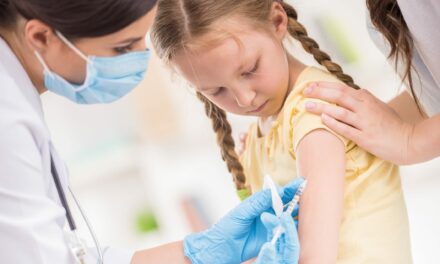
State public health officials continue to coordinate with local and Tribal health departments, alongside healthcare partners, to support contact tracing, case identification, testing, and immunization delivery. Since August 1, 2026, DHS has distributed 2,000 doses of the measles, mumps, and rubella (MMR) vaccine to local health agencies in affected areas, while healthcare providers across Wisconsin have administered more than 42,000 MMR doses.
Two doses of the MMR vaccine are estimated to be 97% effective at preventing infection, according to DHS. To minimize exposure risks within clinical settings and communities, health officials recommend that exposed individuals stay home. Patients experiencing fever and rash, particularly those who are unvaccinated or have had known exposure, are instructed to notify healthcare facilities by phone prior to arrival so triage and isolation protocols can be implemented.