The Inspire hypoglossal nerve stimulation device provides an alternative for pediatric patients who cannot tolerate CPAP.
RT’s Three Key Takeaways:
- Alternative Treatment Option: Children’s Hospital Los Angeles is offering the Inspire hypoglossal nerve stimulation device to treat obstructive sleep apnea in eligible adolescents with Down syndrome who cannot tolerate continuous positive airway pressure therapy.
- Targeted Clinical Population: The FDA has approved the device for patients aged 13 and older with Down syndrome who meet weight criteria, did not respond to adenotonsillectomy, and can undergo required sleep evaluations.
- Significant Event Reduction: The surgically implanted technology can decrease sleep-related breathing events by 50% to 70% by stimulating airway opening during rest.
Children’s Hospital Los Angeles is now offering the Inspire hypoglossal nerve stimulation device to treat obstructive sleep apnea (OSA) in adolescents with Down syndrome, according to CHLA.
The hospital says the device will establish a new therapeutic path for pediatric patients who fail conventional treatments, including CPAP. CHLA otolaryngologist Debra Don, MD, and pulmonologist Sally Ward, MD, have collaborated to deliver the treatment to eligible adolescent patients since July 2025.
Between 50% and 80% of children with Down syndrome have sleep apnea, according to CHLA pulmonologist Sally Ward, MD.
According to Ward and her colleagues, multiple anatomical factors increase vulnerability in this patient population, including a smaller airway, decreased muscle tone, and an enlarged tongue that can obstruct airflow during sleep. Left untreated, pediatric sleep apnea can lead to daytime fatigue, impaired concentration, behavioral difficulties, and long-term healthcare complications such as heart disease, stroke, and dementia.
“It’s important for families to understand the risks for a child with Down syndrome who has untreated obstructive sleep apnea,” said Debra Don, MD, otolaryngologist at CHLA, in a news release. “Reducing the severity of this condition can dramatically improve quality of life,” said Ward, pulmonologist at CHLA, in a news release.
Overcoming Adherence Barriers in Pediatric OSA
While surgical removal of adenoid and tonsil tissue resolves airway obstruction for some pediatric patients, others experience persistent symptoms. Furthermore, CPAP presents clinical challenges, with approximately half of youth with Down syndrome unable to tolerate mask interfaces or maintain treatment adherence, according to CHLA.
The FDA has approved the Inspire device for patients with Down syndrome who are at least 13 years old, meet specific weight criteria, did not achieve adequate improvement following adenotonsillectomy, cannot tolerate CPAP, and are able to complete drug-induced sleep endoscopy and polysomnography evaluations.
Mechanism of Action and Clinical Workflow
The system is placed during a three-hour outpatient surgical procedure.
“A small battery or generator is surgically implanted in the chest,” said Don, otolaryngologist at CHLA, in a news release. “Separately, a small, cuff-shaped electrode is surgically inserted into the neck and placed around the hypoglossal nerve, which is responsible for moving the tongue. This electrode is then connected to the generator in the chest.”
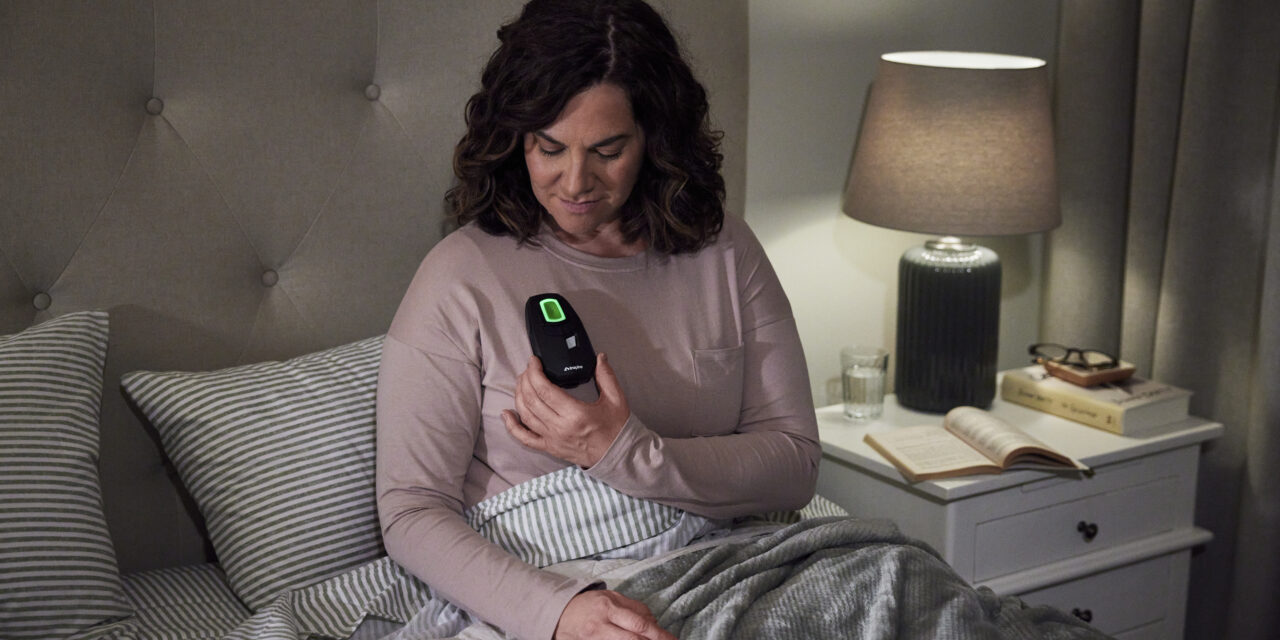
Patients typically return home the following day, and the device is activated six weeks postoperatively. Parents control the system using a handheld remote to turn stimulation on at bedtime and deactivate it upon waking. During sleep, internal sensors detect patient ventilatory patterns and deliver mild electrical pulses to the hypoglossal nerve, moving the tongue forward and opening the palate without awakening the patient.
“We also use sleep studies after implanting the device to determine the right level of electrical signal to activate their hypoglossal nerve,” said Don, otolaryngologist at CHLA, in a news release.
“We can also set the electrical stimulation to gradually increase over the first 20 minutes of sleep so the teen can get used to the feeling,” said Ward, pulmonologist at CHLA, in a news release. “And there’s a way to pause the device for 15 minutes if the teen needs to get up in the night.”
The unit includes an automatic 10-hour shutoff feature to prevent unnecessary daytime discharge, and the internal battery maintains a lifespan of 10 to 11 years before requiring single-incision replacement surgery, according to CHLA.
Multidisciplinary Coordination and Outcomes
According to clinical team reports, the implantable system decreases breathing-related obstructive sleep events by 50% to 70% in this adolescent population.
“The kids for whom we’ve implanted the device have had very positive experiences,” said Don, otolaryngologist at CHLA.
The hospital emphasizes that implementation requires close multidisciplinary coordination across sleep medicine, pediatric pulmonology, and otolaryngology services to manage patient selection, surgical placement, post-implant sleep study titration, and technical education for families.