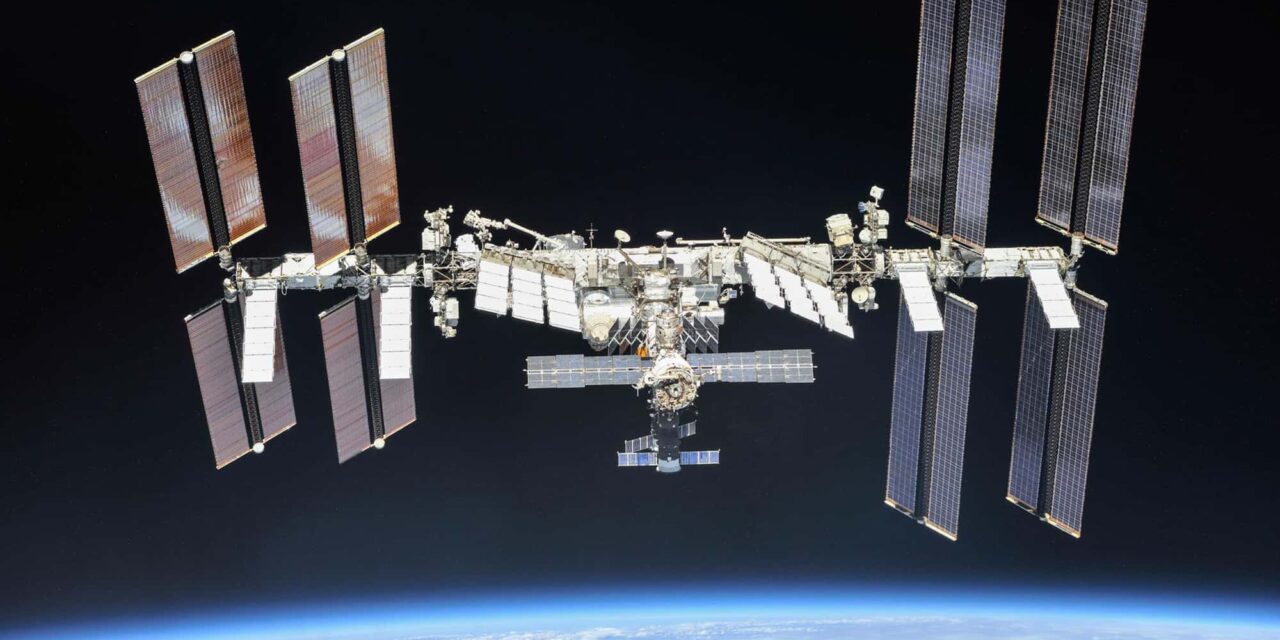
International Space Station experiments use the unique environment of space to study the link between Streptococcus pneumoniae and long-term cardiovascular complications.
RT’s Three Key Takeaways:
- Cardiovascular Risk Link: More than 25% of patients hospitalized for community-acquired pneumonia develop heart disease, with elevated risks persisting even after the bacterial infection is resolved.
- Microgravity Research Utility: Researchers are studying heart tissues on the International Space Station because bacteria become more severe and drug-resistant in space, allowing for the detection of subtle cellular responses difficult to observe on Earth.
- Clinical Application Goals: The study aims to identify specific factors driving bacterial virulence to develop new diagnostic tools, drugs, and management strategies for infectious diseases and cardiovascular healthcare.
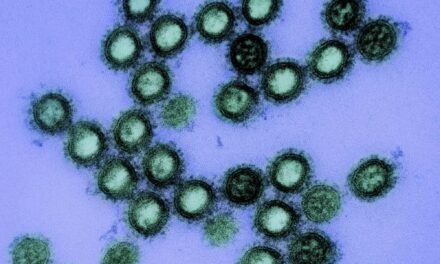
Expedition 74 astronauts aboard the International Space Station (ISS) are investigating how the bacteria that causes pneumonia can lead to permanent damage in the heart, according to NASA. The research utilizes stem cell-derived heart tissues to observe how they respond to bacterial infections in a microgravity environment.
In space, bacteria often exhibit increased severity and enhanced drug resistance. Scientists are leveraging these characteristics to exaggerate the impact of the bacteria on heart cells, which may reveal important cellular responses that are difficult to detect under normal gravity.
“By exacerbating the infection, we anticipate clear separation of the infection and control groups, making it easier to identify subtle factors that promote bacterial virulence”, said Palaniappan Sethu, a professor of medicine and biomedical engineering at the University of Alabama at Birmingham, in a news release.
Streptococcus pneumoniae is identified as the leading cause of community-acquired pneumonia (CAP), a condition responsible for millions of deaths each year. Clinical data shows that more than 25% of adults hospitalized for CAP develop heart disease, and those who survive severe cases remain at an increased risk for cardiovascular events even after the infection is eradicated.
The implications of the study extend beyond Earth-based healthcare to the future of space exploration. “Addressing these questions is essential for ensuring human health during long duration space travel and for enabling sustainable habitation beyond Earth”, said Carlos J Orihuela, a professor of microbiology at the University of Alabama at Birmingham, in a news release. “Our experiments are expected to generate new insights into how space specific factors influence disease progression”, he added.
The ISS serves as a unique platform for researchers to address complex human health issues, including disease formation, the testing of new drugs, and the development of diagnostic tools, according to the news release. By pinpointing the factors that make bacterial infections more severe in space, researchers hope to identify new targets for treatment for patients on Earth.