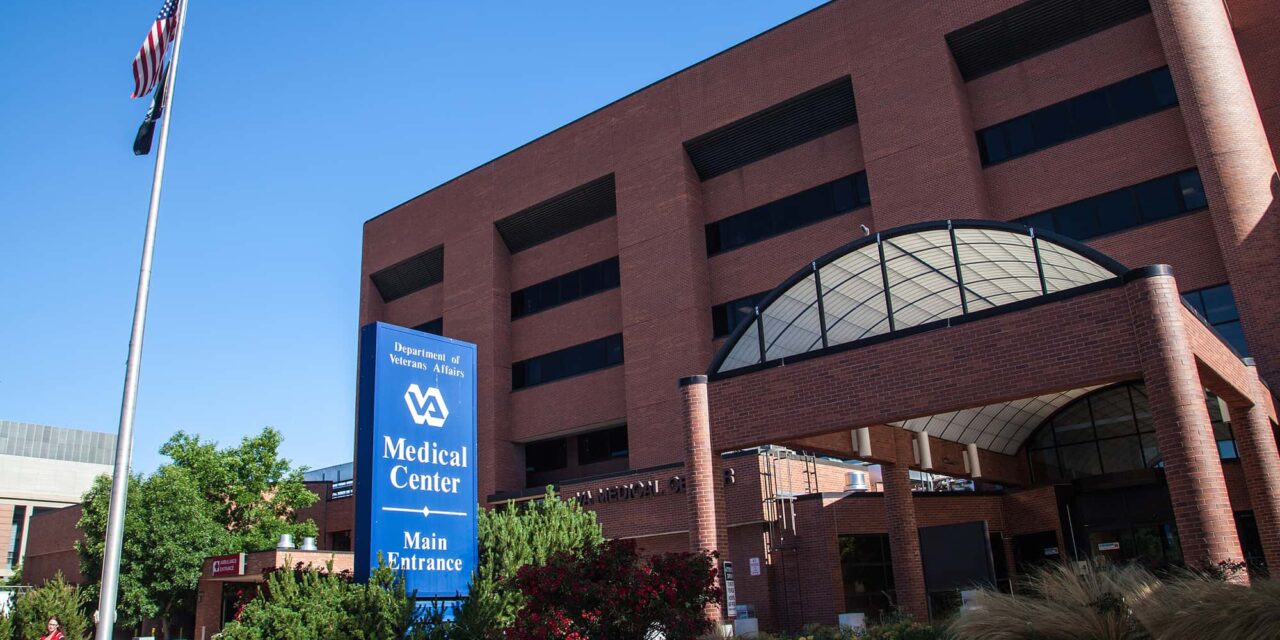
The AIR CARE for Vets Act proposes a five-year pilot program to implement 4D imaging technology within the Department of Veterans Affairs.
RT’s Three Key Takeaways:
- 4-D Imaging Pilot: The legislation establishes a five-year pilot program for the Department of Veterans Affairs to utilize Food and Drug Administration-approved four-dimensional functional lung imaging software to identify respiratory disorders.
- Improved Diagnostic Accuracy: The bill aims to replace standard whole-lung assessments and invasive biopsies with advanced imaging to better detect early-stage disease or localized abnormalities in veterans exposed to toxic burn pits.
- Dedicated Funding: The act authorizes $5 million annually from fiscal year 2027 through 2031 to lease imaging software from approved developers for use in medical facilities.
US representatives Chris Pappas (D-NH) and Juan Ciscomani (R-AZ) introduced HR 9666, the AIR CARE for Vets Act, to improve the Department of Veterans Affairs (VA) ability to diagnose veterans with service-related respiratory conditions, according to a joint press release.
The Advanced Imaging for Respiratory Care, Assessment, and Research Excellence (AIR CARE) for Vets Act prioritizes access to imaging software for diagnosing conditions such as asthma, COPD, and lung cancer.
Current diagnostic procedures for veterans often rely on whole-lung assessments, which can lack the sensitivity to detect changes in early disease or regional abnormalities. Additionally, standard procedures like lung biopsies are often painful and invasive. These limitations specifically impact veterans exposed to toxic smoke from open-air burn pits in Iraq and Afghanistan who suffer from chronic respiratory illnesses.
“Our legislation would establish a pilot program for VA to utilize innovative 4-D lung scanning technology, which improves identification of respiratory disorders and lung disease in veterans,” said Chris Pappas, congressman, in a news release.
The proposed legislation would direct the VA to implement a five-year pilot program using Food and Drug Administration (FDA) approved four-dimensional (4-D) functional lung imaging software. The technology is intended to provide more accurate testing and better evaluation of symptoms.
“Better imaging software means an improved rate of diagnosis, which would save lives by catching issues like lung cancer sooner,” said Juan Ciscomani, congressman, in a news release.
The act authorizes $5 million annually from fiscal year 2027 to fiscal year 2031 to be used for leasing eligible imaging software from approved developers and using this technology in VA medical facilities.