The treatment combines two antibodies that attack the virus at different stages of infection, making it more difficult for the pathogens to develop resistance.
RT’s Three Key Takeaways:
- Dual-Targeting Mechanism: The treatment combines two antibodies that attack the virus at different stages of infection, making it more difficult for the pathogen to develop resistance.
- Post-Infection Efficacy: Laboratory models showed that the antibody cocktail remains effective even after an infection has been established, which is critical for rapidly progressing diseases.
- Pandemic Preparedness Blueprint: Researchers believe this dual-targeting strategy can be adapted for other high-priority pathogens to create therapies that are more resistant to viral evolution.
Mount Sinai researchers have developed the first fully human monoclonal antibody cocktail that provides complete protection against lethal Nipah and Hendra virus infections, according to a study published in Science Translational Medicine.
The research demonstrated that the treatment is effective even when administered after the infection has begun.
Nipah and Hendra viruses are part of the henipavirus family, which can spread from animals to humans to cause severe respiratory and neurological symptoms. These viruses have mortality rates ranging from 40% to 75%, and there are currently no approved vaccines or therapeutics for human use.
According to the CDC, Hendra virus is a rare infection that can cause lung problems with severe flu-like symptoms, with illness progressing to brain swelling (encephalitis) in some cases. The only known cases of human infection occurred in 1994 when seven people were infected after contact with horses that were infected after contact with Australian flying fox bats.
To develop the therapy, the team used transgenic humanized mice to produce fully human antibodies. This method allowed investigators to identify potent antibodies without the need for additional engineering steps typically required for animal-derived treatments.
“One of the biggest challenges in developing treatments for henipaviruses is that human survivor samples are extremely rare,” said Axel Guzman-Solis, a graduate student in the department of microbiology at the Icahn School of Medicine and lead author of the study, in a news release. “We wanted to determine whether we could create fully human antibodies that target the virus in multiple ways at once, making it much more difficult for the virus to evolve resistance.”
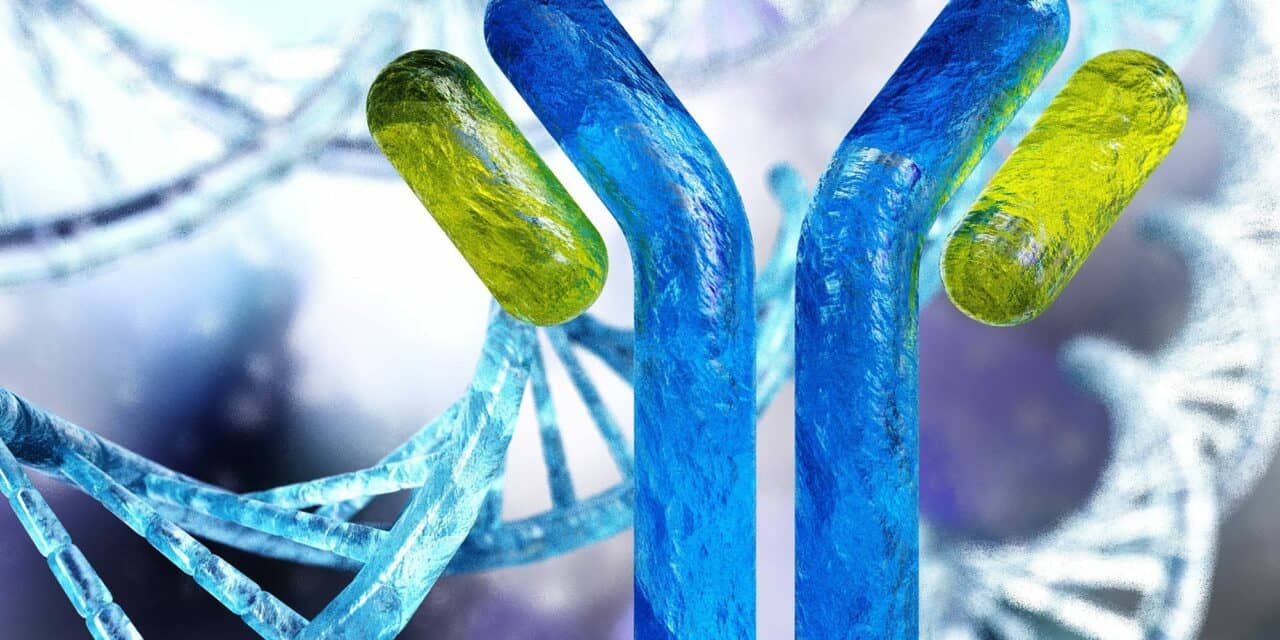
The cocktail consists of two antibodies, 8G3 and 2A1, which work through independent mechanisms. The 8G3 antibody blocks the viral protein responsible for attaching to human cells, while 2A1 targets a separate protein required for the virus to fuse with and enter those cells.
Structural imaging revealed that 2A1 neutralizes the virus by stabilizing a sugar-containing structure on the viral fusion protein.
“We were surprised to find that the antibody essentially embraces a structure on the virus that many antibodies try to move out of the way,” said Benhur Lee, MD, ward-coleman chair in microbiology at the Icahn School of Medicine and senior author of the study, in a news release. “The finding suggests that stabilizing a viral protein can sometimes be just as effective—or even more effective—than disrupting it.”
While the cocktail provided complete protection in hamster models, the therapy remains in preclinical development. The research team plans to conduct further testing in nonhuman primates, evaluate long-term safety, and optimize the antibodies for clinical use in humans to support global healthcare preparedness.
“As zoonotic outbreaks continue to emerge around the world, there is an urgent need for therapies that can be deployed quickly against high-consequence pathogens,” said Lee, in a news release. “Our long-term goal is to translate these discoveries into practical tools that help protect people during future outbreaks.”