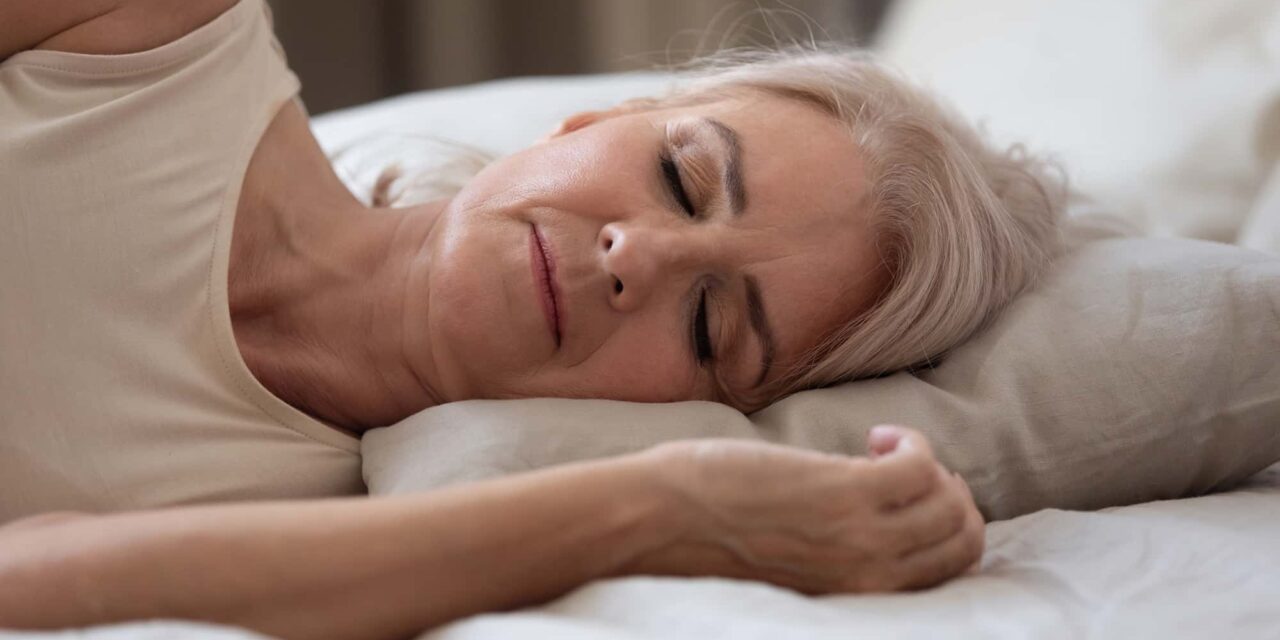
New AASM survey data shows that more than 35% of women age 45-64 report frequent nighttime waking and night sweats caused by menopause hormonal changes.
RT’s Three Key Takeaways:
- Menopausal Sleep Disturbances: More than 35% of women aged 45 to 64 report frequent nighttime waking and night sweats caused by menopause.
- Menstrual Cycle Challenges: Hormonal shifts during menstruation cause increased fatigue and disrupted sleep for a significant portion of women aged 18 to 44.
- Underdiagnosed Sleep Disorders: Chronic insomnia and restless legs syndrome are more prevalent in women, yet many patients do not seek professional healthcare for these treatable conditions.
More than one-third of women between the ages of 45 and 64 experience frequent nighttime waking and night sweats that disrupt their sleep during menopause, according to new survey results [PDF] from the American Academy of Sleep Medicine (AASM).
The survey of 2,007 adults in the US found that 37% of women in this age group report frequent waking, while 35% experience hot flashes or night sweats. Additionally, 29% reported increased daytime fatigue and 27% had trouble falling asleep. Only 6% of women in the 45-64 age bracket indicated that their sleep quality remained unchanged during menopause.
“Too many women accept poor sleep as an inevitable part of menstruation or menopause when effective treatments are available,” said Suzie Bertisch, chair of the AASM’s women’s sleep health task force, in a news release. “If hormonal changes are disrupting your sleep, talk to a healthcare professional. It’s an important first step toward getting the sleep you need and protecting your long-term health.”
Hormonal challenges often begin earlier in life during the menstrual cycle. For women aged 18 to 44, the most common sleep disruptors identified were increased fatigue (40%) and cramps or discomfort (39%). The survey also noted that 32% of women in this group wake more frequently, 25% have trouble falling asleep, and 22% experience restless sleep or vivid dreams.
While the AASM recommends that adults sleep at least seven hours per night to promote optimal health, data show that approximately 30% of women fail to get sufficient sleep on a regular basis. The organization noted that certain sleep disorders, including chronic insomnia and restless legs syndrome, are more common in women and can be linked to both cyclic hormonal changes and significant shifts in hormone production throughout the lifespan.
Through its women’s sleep health initiative, the AASM is working to advance education, research, and advocacy to ensure these unique needs are addressed in clinical practice.
“The AASM’s women’s sleep health initiative reflects a shared commitment to closing the gap in sleep care for women,” said Bertisch, chair of the AASM’s women’s sleep health task force, in a news release. “By uniting clinicians, researchers, and patient advocates, we are taking meaningful steps to ensure women’s unique sleep challenges are understood, studied, and treated.”