Daytime Napping Tied to Dementia Risk in Older Adults
Older adults who nap most days or every day face a 48% higher risk of developing dementia compared to those who rarely or never nap.
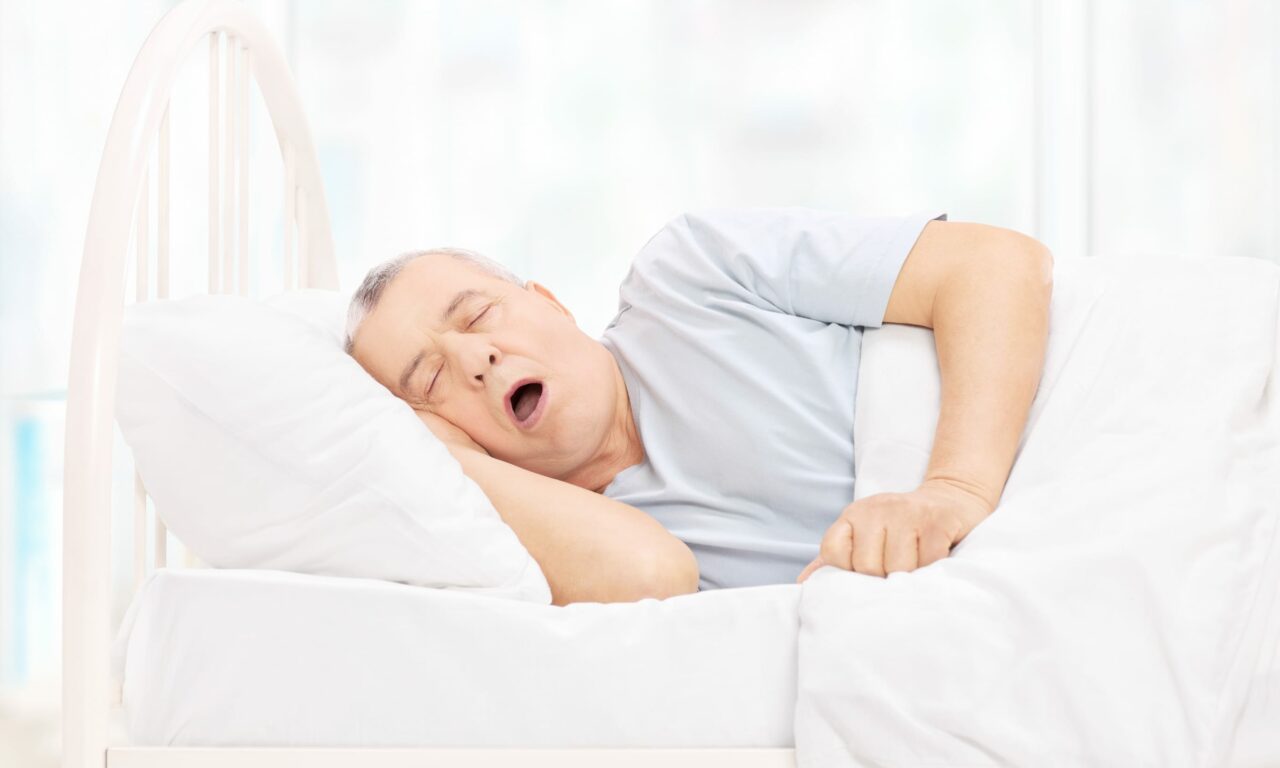
Older adults who nap most days or every day face a 48% higher risk of developing dementia compared to those who rarely or never nap.

Older adults who nap most days or every day face a 48% higher risk of developing dementia compared to those who rarely or never nap.
Read More
65% of adults who acknowledged driving while sleepy drink coffee or caffeinated beverages as a tactic to remain alert behind the wheel.
Read More
Research shows sharing a bed with dogs does not reduce human sleep duration, despite common owner perceptions.
Read More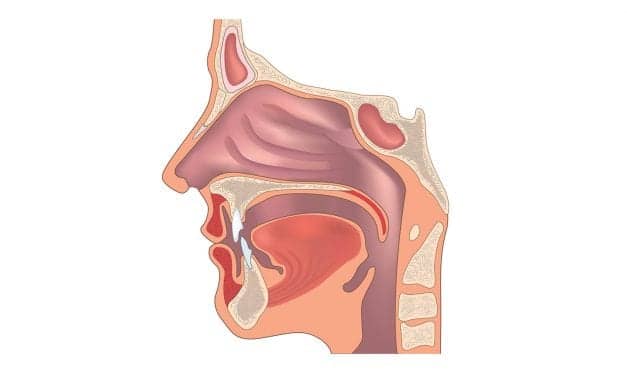
New 3D modeling reveals that unsteady airflow over the soft palate drives loud snoring sounds, pointing toward targeted therapies.
Read More
New survey data reveals that work, school, and household duties often eclipse recommended sleep duration across American households.
Read More
A newly identified group of brain cells actively promotes sleep and coordinates brain rhythms, challenging long-held theories on sleep regulation.
Read More
Remote work from home adds 15 minutes of daily sleep but increases sitting and lying down by 45 minutes.
Read More
Older adults treated with targeted behavioral therapy experienced higher insomnia remission rates...
Read More
UT Southwestern sleep researcher Masashi Yanagisawa, MD, PhD, earned the award for his work identifying the sleep-regulating brain peptide orexin, which has led to new treatments for sleep disorders.
Read More
A new scientific statement from the Endocrine Society emphasizes health outcomes such as sleep apnea and heart disease over weight loss alone.
Read More
Scheduled 30-minute naps helped hospital residents manage simulated cardiac arrest crises during 24-hour shifts, according to a clinical trial.
Read More
New research finds artificial intelligence tools frequently fail to recommend medical referrals when patients push back or downplay their sleep apnea symptoms.
Read More
People with a COVID-19 history showed a significantly stronger breathing response following brief arousals from sleep.
Read More
Orzeyful is the first drug to target the underlying loss of orexin signaling to address the full range of narcolepsy type 1.
Read More
The project from the American Thoracic Society aims to reduce the high rate of undiagnosed sleep disorders by partnering with primary care providers.
Read More
The USFDA granted 510(k) clearance for the HoneyNaps Somnum V3.0 Ai-based software for polysomnography (PSG) analysis, according to the company.
Read More
The FDA will review a New Drug Application for Apnimed’s AD109, an investigational oral pill for the treatment of adults with obstructive sleep apnea with a target action date of Feb 28, 2027.
Read More
The collaboration will focus on sleep and circadian medicine, including research into obstructive sleep apnea and wearable health technology.
Read More
Healthy lifestyle habits can repress the inflammatory effects of genetic mutations in white blood cells common in seniors.
Read More
Patients experiencing both excessive daytime sleepiness and prolonged sleep-onset latency face a significantly higher risk of hypertension.
Read More
Women’s attitudes and beliefs regarding sleep during pregnancy are significant predictors of sleep disruption after delivery.
Read More
Age, income, and personal attitudes influence the financial value individuals assign to their sleep.
Read More
Napping for more than 30 minutes daily significantly increases the likelihood of developing chronic liver conditions in individuals with type 2 diabetes.
Read More
Monitoring sleep quality could help healthcare providers identify respiratory issues in ALS patients before they become advanced.
Read More