CDC Reports National Rise in Parainfluenza
Parainfluenza virus activity is currently high across the US, while HMPV and rhinovirus/enterovirus levels are beginning to decline, according to the CDC.


Parainfluenza virus activity is currently high across the US, while HMPV and rhinovirus/enterovirus levels are beginning to decline, according to the CDC.

Parainfluenza virus activity is currently high across the US, while HMPV and rhinovirus/enterovirus levels are beginning to decline, according to the CDC.
Read More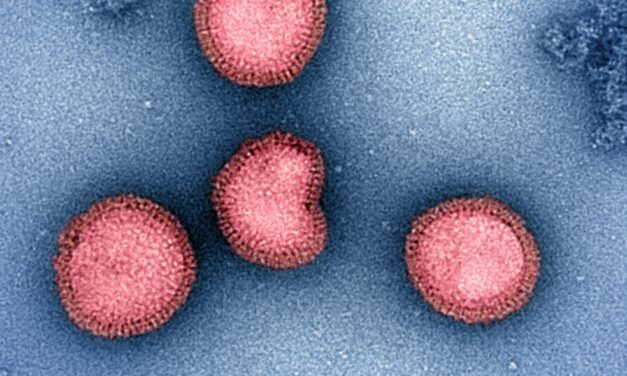
Backed by approximately $500 million in investment from Big Tech, the Intercept initiative will back broad-spectrum preventatives and air-cleaning technologies to reduce the global health burden of respiratory infections.
Read More
Underlying chronic conditions and hospital transfers are major indicators of severe disease in pediatric patients with respiratory tract infections.
Read More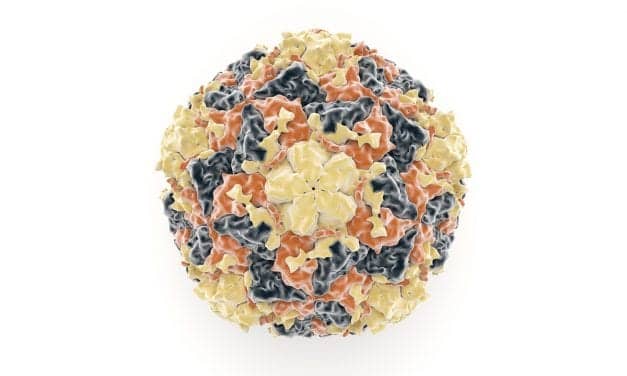
New research challenges the assumption that human rhinovirus is a direct cause of pneumonia in adults, providing evidence that rhinovirus can infect the lower lungs and independently drive pneumonia.
Read More
Researchers found the treatment also reduced the spread of colds to family members.
Read More
The grant will support the development of new techniques to study how environmental factors like humidity and temperature affect the transmission of respiratory viruses.
Read More
bioMérieux’s Biofire Spotfire Respiratory/Sore Throat (R/ST) Panel Mini received US FDA Special 510(k) clearance and CLIA-waiver, according to the company.
Read More
Scientists suggest that extended ailments, termed “long colds,” can also arise from non-COVID respiratory infections.
Read More
An FDA advisory committee determined that phenylephrine, common in brands like Benadryl and Mucinex, is ineffective as a nasal decongestant.
Read More
People with severe asthma and rhinovirus-induced asthma exacerbation may benefit from therapies that block interactions between a particular molecule and antibodies, new research finds.
Read More
Half as many children in the United States were diagnosed with asthma in the first year of the COVID-19 pandemic compared to previous years, perhaps due to a fewer number of common colds, according to Rutgers University researchers.
Read More
Rhinovirus in pediatric patients with a history of refractory cough is associated with bronchoalveolitis and ciliary dysfunction, according to new research.
Read More
While flu, RSV, and other respiratory virus infections declined sharply, rhinovirus/enterovirus persisted and continued to circulate among children.
Read MoreNew research sheds light on how respiratory tract infections with rhinovirus (HRV) impact cases of severe asthma.
Read More
New data published in The Lancet Microbe reveals that rhinovirus can jumpstart the immune system and prevent influenza infections.
Read More
Rhinovirus causes about half of all colds, but other viruses can cause one or more of the symptoms of a cold, including adenovirus, influenza virus, respiratory syncytial virus and parainfluenza virus.
Read More
Researchers have discovered a protein in human cells that, when deleted, prevented the spread of rhinovirus and could be a cure to the common cold, according to research in Nature Microbiology.
Read More
Black elderberry supplement reduced duration of upper respiratory symptoms like cough, nasal congestion, nasal discharge, and sore throat.
Read More
A study reported by Nutritional Outlook investigated whether probiotics can help those suffering from common colds.
Read MoreBiota Pharmaceuticals Inc has commenced dosing of patients in its Phase 2b SPIRITUS trial of vapendavir for the treatment of human rhinovirus (HRV).
Read More
UK research has confirmed that a cytokine called IL-25 may play a central role in the effects of rhinoviruses on asthmatics and have have identified a possible sequence of biological events that could trigger these attacks.
Read MoreIn individuals with asthma, statins significantly reduce the in vitro inflammatory response of human monocytes to rhinovirus (RV), the cause of the common cold, according to new research published in the Journal of Leukocyte Biology.
Read More