FDA Clears Masimo’s Ai-Enabled OIRD Monitor
Masimo's Radius VSM wearable monitor uses pattern recognition to help ID early signs of opioid-induced respiratory depression (OIRD).

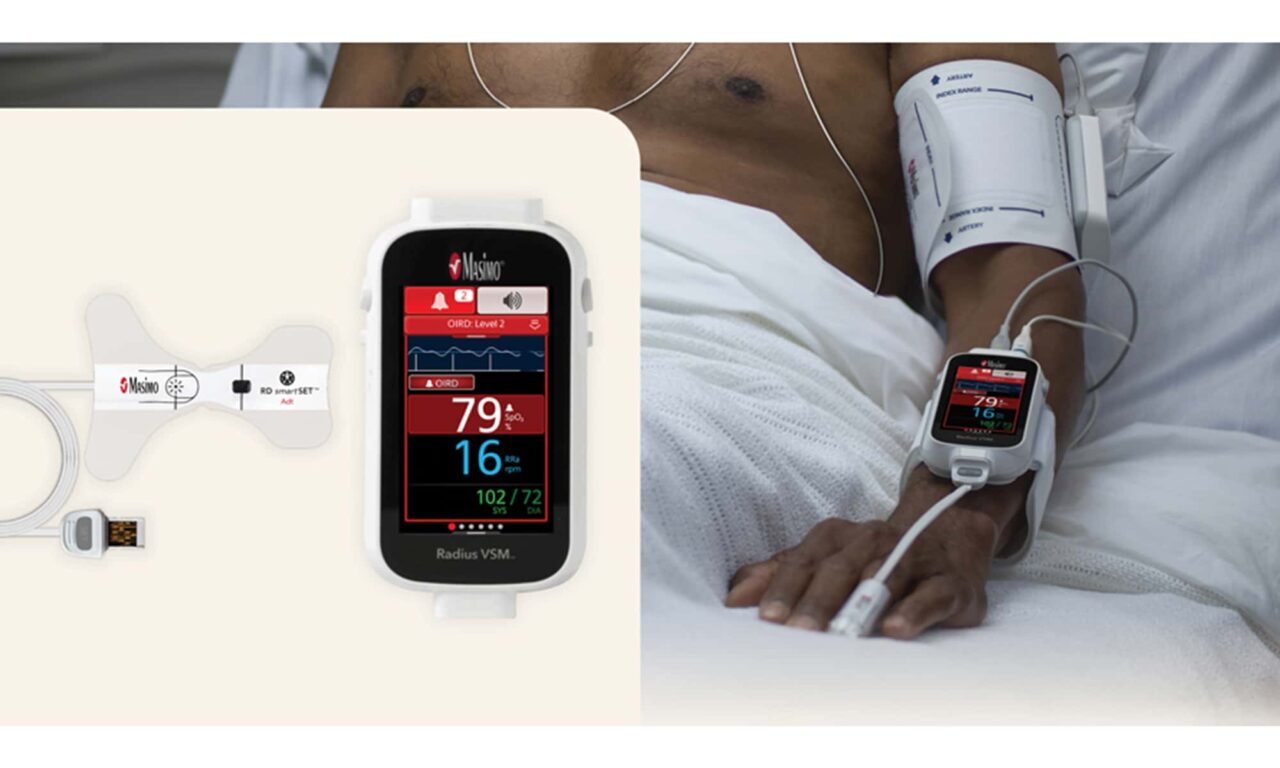
Masimo's Radius VSM wearable monitor uses pattern recognition to help ID early signs of opioid-induced respiratory depression (OIRD).
Masimo’s Radius VSM wearable monitor uses pattern recognition to help ID early signs of opioid-induced respiratory depression (OIRD).
Read More
Rextovy, a 4 mg naloxone medication, will be available for purchase without a prescription at retail stores and online.
Read More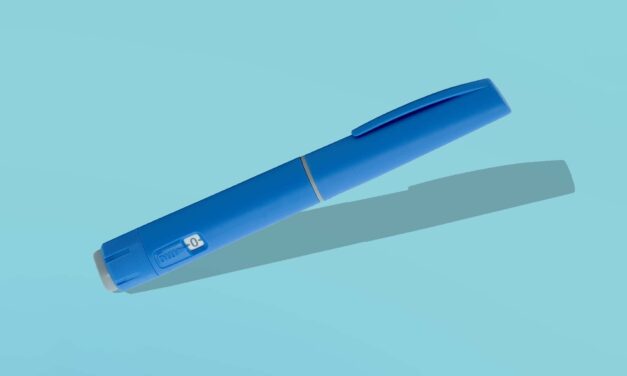
A study of 142,000 patients suggests GLP-1 medications may influence brain pathways involved in cravings for nicotine, opioids, and alcohol.
Read More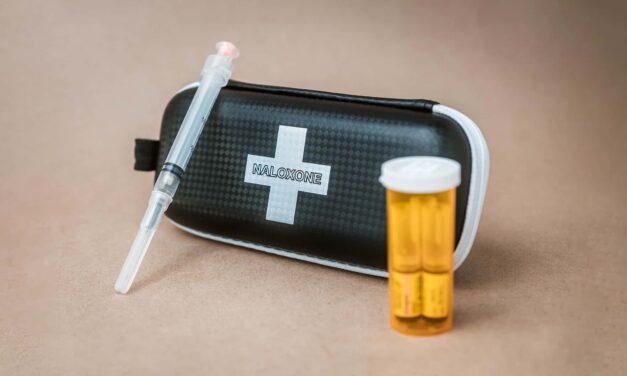
Standard doses of naloxone are often insufficient to restore normal breathing during opioid-induced respiratory depression (OIRD) after overdoses involving fentanyl and sufentanil.
Read More
Negative descriptors in clinician notes for sickle cell patients are closely associated with stigma surrounding opioid use.
Read More
A case report suggests high doses of oxycodone in breastfeeding mothers can lead to apnea and bradycardia in newborns due to immature metabolic pathways.
Read More
A new gene therapy may offer pain relief without addiction, targeting only pain signals and leaving the rest of the brain untouched.
Read More
The World Health Organization says opioid agonist maintenance treatment (OAMT) is a cost-effective intervention that reduces mortality and morbidity.
Read More
Pregnant women with opioid use disorder who were prescribed buprenorphine had fewer emergency department visits and hospital admissions, with the greatest benefit seen among those with 80% adherence.
Read More
The FDA issued draft guidance to accelerate safe and effective non-opioid treatments and to reduce prescription-related opioid misuse.
Read More
The FDA is requiring safety labeling changes to all opioid pain medications to better emphasize and explain the risks associated with their long-term use.
Read More
Stewardship programs are needed reduce inappropriate urgent care prescribing of antibiotics, glucocorticoids and opioids.
Read More
Hospitalized adults at risk for opioid use disorder had 47% lower odds of being readmitted to the hospital within 30 days after their initial discharge if they were screened by Ai.
Read More
A clinical trial showed that an Ai tool was as effective as healthcare providers in generating referrals to opioid use disorder addiction specialists.
Read More
Continuing buprenorphine during acute pain episodes for people with opioid use disorder (OUD) may lead to lower or similar pain severity compared to discontinuation.
Read More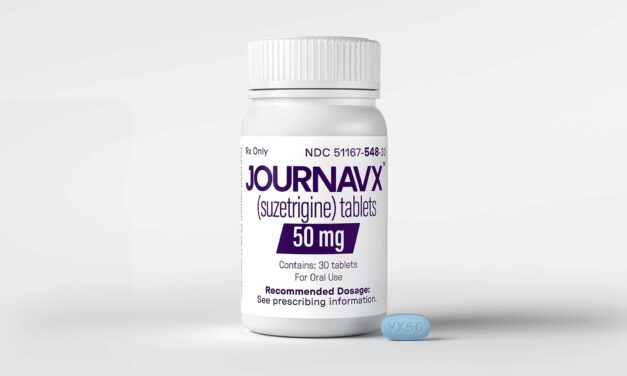
The FDA has approved Journavx (suzetrigine) 50 milligram oral tablets, a first-in-class non-opioid analgesic, to treat moderate to severe acute pain in adults, according to the agency.
Read More
The FDA issued a notice to modify labeling of buprenorphine-containing transmucosal products for the treatment of opioid dependence.
Read More
A Purdue Pharma study explored nalmefene and naloxone for the reversal of respiratory depression induced by fentanyl in a clinical opioid-induced respiratory depression model.
Read More
Implanted under the skin, the Naloximeter senses dropping oxygen and sends a warning notification to a mobile app. If the user doesn’t engage with the warning message within 30 seconds, the device releases stored naloxone.
Read More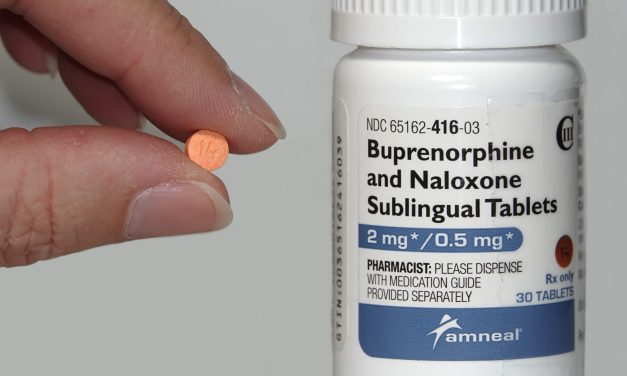
An NIH-funded analysis suggests higher doses of buprenorphine were associated with lower rates of emergency department visits or use of inpatient services related to behavioral health.
Read More
Surprisingly, naloxone was associated with improved clinical outcomes in both drug-related cardiac arrests and non-drug-related cardiac arrests.
Read More
The implantable device, tested in animal models, continuously monitors vital signs and automatically administers naloxone during opioid overdose.
Read More
The FDA approved Zurnai, a nalmefene hydrochloride auto-injector, for emergency opioid overdose treatment in individuals aged 12 and older.
Read More
Researchers say the sheer amount of cannabinoid positivity found during umbilical cord toxicity testing was “pretty astounding.”
Read More