Selena Gomez Blames Vaping for Voice Change
Grammy-nominated singer and actress Selena Gomez says her nicotine vaping habit permanently altered her singing voice.


Grammy-nominated singer and actress Selena Gomez says her nicotine vaping habit permanently altered her singing voice.

Grammy-nominated singer and actress Selena Gomez says her nicotine vaping habit permanently altered her singing voice.
Read More
Pennsylvania now restricts legal sales to products from only six vaping device manufacturers evaluated by federal regulators.
Read More
The ATS and CHEST filed a joint amicus brief supporting a lawsuit against FDA guidance that permits unauthorized e-cigarettes and nicotine pouches to remain on the US market.
Read More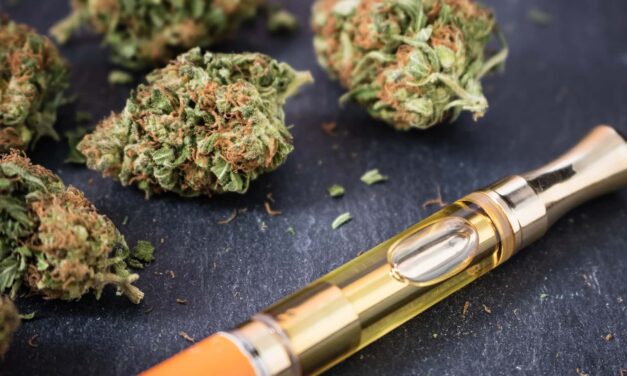
National survey data show inhaled cannabis and nicotine use remain elevated among adults while traditional cigarette smoking reaches historic lows.
Read More
E-cigarette aerosols combining menthol and nicotine produced stronger physiological responses and higher blood metabolite levels in animal models.
Read More
The new VA/DoD recommendations name varenicline and combination nicotine replacement therapy as preferred treatments for tobacco use cessation.
Read More
While traditional cigarette smoking has dropped, overall nicotine exposure is shifting toward alternative products such as e-cigarettes, with youth starting at earlier ages.
Read More
A Dutch program focused on youth vaping prevention earned the 2026 European Lung Foundation (ELF) Award at ERS 2026.
Read More
Early exposure to e-cigarette vapor may alter the brain’s reward system well into adulthood, according to new research.
Read More
Nicotine exposure, including from e-cigarettes and pouches, may heighten the risk of anxiety and depression in teens, particularly in girls.
Read More
The latest round of products brings the total number of FDA-authorized flavored nicotine pouches to 43.
Read More
A new paper in JAMA provides the first US recommendations for clinicians on integrating nicotine e-cigarettes into smoking cessation plans.
Read More
A Rutgers Health study indicates that capping nicotine levels could eliminate smoking disparities and provide a trillion-dollar boost to the US economy.
Read More
A systematic review of 17 clinical trials found that smokers did not inhale more or smoke more cigarettes when using low-nicotine products.
Read More
There are now 30 flavored nicotine pouch products authorized for sale by the FDA, but some health organizations have expressed concerns for potential youth adoption.
Read More
Young people who vape or smoke experience reduced breathing efficiency and blood vessel functionality compared to non-users.
Read More
A smartphone-based program uses financial rewards to improve smoking cessation rates among pregnant individuals in rural areas.
Read More
Data from 2022 to 2025 indicate that current tobacco use, including e-cigarettes and cigarettes, has decreased among US middle and high school students.
Read More
The FDA authorized 20 Zyn nicotine pouches, including 10 flavored products, despite concerns from health experts over increased youth use.
Read More
A study shows that tobacco-free “herbal” cigarettes produce high levels of fine particles and molecules that can damage lung tissue.
Read More
A study of 142,000 patients suggests GLP-1 medications may influence brain pathways involved in cravings for nicotine, opioids, and alcohol.
Read More
New FDA will not prioritize enforcement against unauthorized vaping and nicotine pouch products that have filed premarket applications.
Read More
A study of more than 175,000 students found that teens consistently perceive cannabis as lower risk than nicotine products and alcohol, with perceived harm declining as students age.
Read More
The FDA authorized the marketing of four Glas electronic nicotine delivery systems (ENDS) through the premarket tobacco product application pathway.
Read More