Two Target Proteins ID’d to Treat Pulmonary Arterial Hypertension
Targeting key cellular proteins may provide new opportunities to diagnose, prevent, and treat pulmonary arterial hypertension.


Targeting key cellular proteins may provide new opportunities to diagnose, prevent, and treat pulmonary arterial hypertension.

Targeting key cellular proteins may provide new opportunities to diagnose, prevent, and treat pulmonary arterial hypertension.
Read More
Rapid, noninvasive ultrasound scan of the thigh can identify cardiac surgery patients at elevated risk of serious pulmonary complications before symptoms appear.
Read More
International Space Station experiments use the unique environment of space to study the link between Streptococcus pneumoniae and long-term cardiovascular complications.
Read More
Baxter has recommended removal of certain Duo-Vent solution sets used for administration of fluids to the patient’s vascular system.
Read More
Patients experiencing both excessive daytime sleepiness and prolonged sleep-onset latency face a significantly higher risk of hypertension.
Read More
Bayer AG’s investigational drug asundexian reduced recurrent stroke risk by 26% in patients who recently experienced a stroke or temporary blockage of blood flow.
Read More
A clinical trial found that minimally invasive endovascular therapy reduces symptoms of post-thrombotic syndrome after deep vein thrombosis.
Read More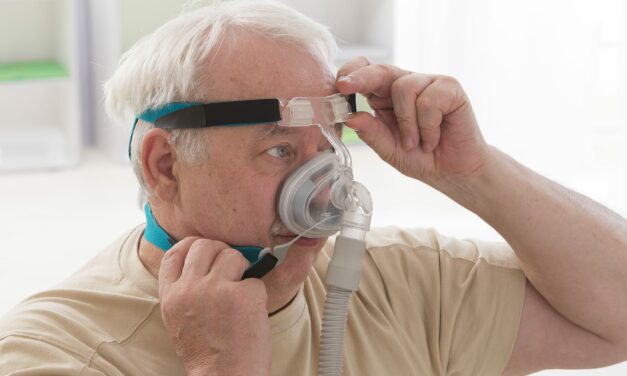
Obstructive sleep apnea and oxidative stress share a bidirectional relationship, influencing disease progression and antioxidant responses.
Read More
The American Heart Association and American College of Cardiology issued their first joint clinical practice recommendations for acute pulmonary embolism.
Read More
The pulmonary artery progressively stiffens with age, which may contribute to unexplained dyspnea in older adults.
Read More
A national parent poll reports gaps in community preparedness for teen cardiac emergencies and concerns about school readiness.
Read More
The influenza A virus exploits specific immune cells to infiltrate the heart and damage heart muscle cells.
Read More
The majority (57.5%) of commercially insured patients had at least one chronic condition in 2024, with high cholesterol the most common affliction.
Read More
Women over age 57 are less likely to receive IV morphine in the emergency room when presenting with chest pain, compared to younger women, younger men, and older men.
Read More
Cigarette smoking increased cardiovascular risks at 2-5 cigarettes daily, but cessation rapidly lowered risk within ten years, overall.
Read More
A new case report describes a novel approach for treating fibrosing mediastinitis using rituximab injections directly into mediastinal lymph nodes combined with pulmonary artery angioplasty.
Read More
HeartBeam’s 12-lead ECG synthesis software allows patients to obtain an ECG reading for their arrhythmia from the comfort of home, with results promptly reviewed by an on-demand, board-certified cardiologist.
Read More
A pneumococcal enzyme, zmpB, is a key factor in some pneumonia patients develop serious heart complications.
Read More
Zoll has completed the US rollout of its next generation garment for the LifeVest wearable cardioverter defibrillator (WCD), according to the company.
Read More
New guidelines from the AAP/AHA update procedures for pediatric and neonatal CPR and emergency cardiovascular care for the first time since 2020.
Read More
GLP-1 RAs may provide added benefit over SGLT2-i in protecting right heart function among patients with PAH.
Read More
Blood vessels gradually become stiffer with age, but the new study suggests that COVID-19 could accelerate this process.
Read More
The data suggests that CPAP may offer long-term cardiovascular benefit in people with high-risk OSA but may have unintended harmful effects in those without high-risk OSA.
Read More
The European Society of Cardiology (ESC) has called for the European Union to apply higher excise taxes, advertising bans, and indoor-use restrictions to all nicotine products.
Read More