Low Dose of H5N1 Bird Flu Causes Infection in Dairy Cows
Research suggests only 10 viral particles of the H5N1 bird flu are enough to cause a productive infection in dairy cows.


Research suggests only 10 viral particles of the H5N1 bird flu are enough to cause a productive infection in dairy cows.

Research suggests only 10 viral particles of the H5N1 bird flu are enough to cause a productive infection in dairy cows.
Read More
A veterinary professional showed serologic evidence of H5N1 avian influenza infection after exposure to an ill cat, the CDC reports.
Read More
Researchers developed an avian flu vaccine platform that generates immunity in the respiratory tract and bloodstream to combat H5N1.
Read More
A study of Northern Hemisphere waterfowl suggests that environmental diversity and human activity significantly impact the transmission of H5N1.
Read More
An infection in Italy marks the first European case of the H9N2 avian influenza strain. Experts indicate the current risk to the public remains low.
Read More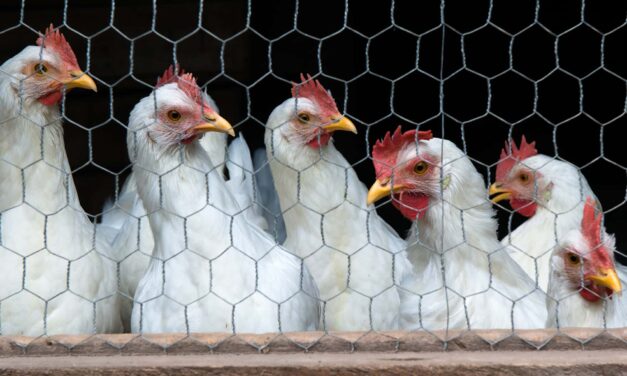
A new project funded by the US Department of Agriculture investigates how nonthermal plasma can inactivate airborne viruses to protect workers and livestock.
Read More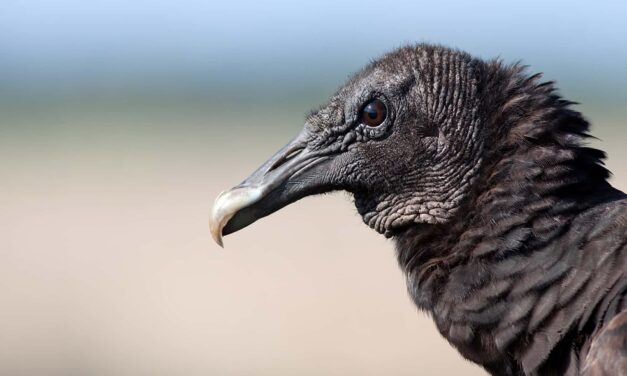
Researchers say tens of thousands of black vultures have likely contracted or died from the avian flu virus.
Read More
WUSTL researchers developed an intranasal avian flu vaccine that elicited strong immune responses when tested in hamsters and mice and prevented infections in exposed animals.
Read More
The spreads of the 2009 H1N1 flu and 2020 COVID-19 pandemics were largely driven by air travel through shared hub cities such as New York and Atlanta.
Read More
The mammary glands of livestock are biologically suitable to harbor avian influenza, due to high levels of sialic acids.
Read More
NanoVax W805EC adjuvanted A/H5 vaccine, an intranasal H5N1 vaccine candidate, successfully induced immune responses to multiple avian flu strains.
Read More
Generative Ai identified hidden avian flu risks, scanning over 13,000 ER notes to flag patients with incidental high-risk animal exposures that clinicians had not recognized.
Read More
New research from St. Jude found H5N1 flu in dairy cows is currently staying closer to its avian roots instead of mutating to better infect mammals.
Read More
H5N1 avian flu has been detected in domestic cats across the United States. Are there risks of cat-to-human transmission?
Read More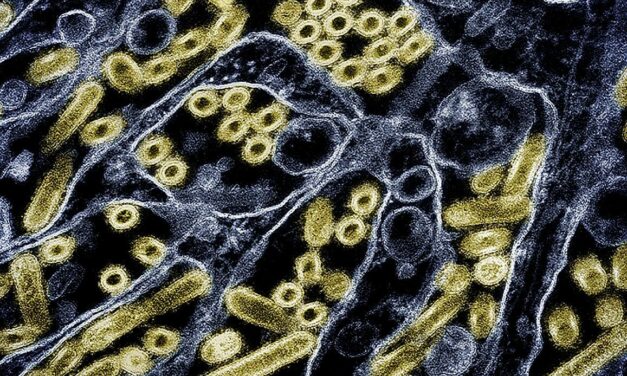
Existing H5N1 avian flu vaccines may be less effective against newer strains due to rapid viral adaptation.
Read More
Two FDA–approved flu antivirals did not successfully treat severe H5N1 infections, and route of infection (eye, nose or mouth) significantly impacted effectiveness.
Read More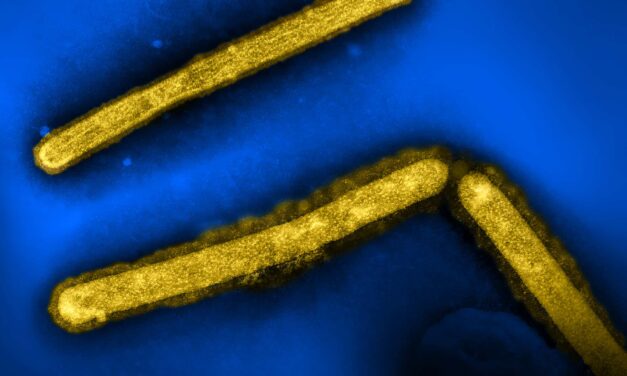
A national poll found 2-in-5 parents wish the government was doing more to prevent a bird flu outbreak.
Read More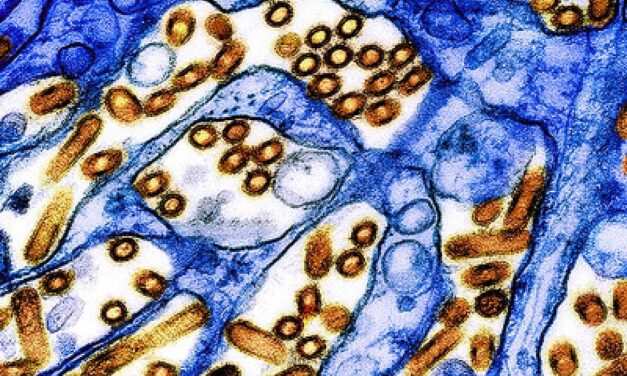
A portable biosensor cuts detection time for airborne H5N1 virus particles to less than five minutes — significantly faster than conventional PCR tests.
Read More
Influenza A viruses rapidly adjust their shape when placed in conditions that reduce infection efficiency, such as the presence of antiviral antibodies or host incompatibility.
Read More
National Institutes of Health (NIH) scientists and their colleagues report that a single dose of a broadly neutralizing antibody (bnAb) administered prior to virus exposure protects macaques from severe H5N1 avian influenza.
Read More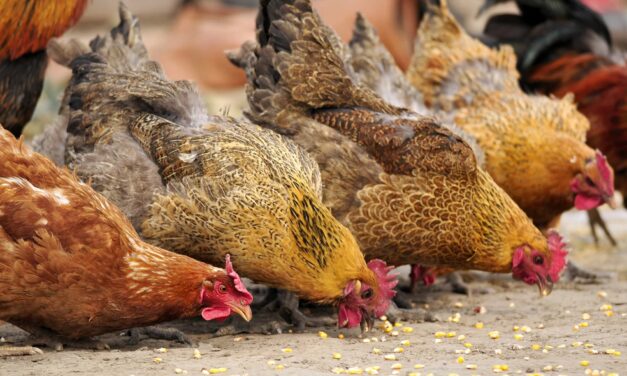
Live bird markets in New York City and surrounding counties have been shut down with the discovery of the H5N1 bird flu virus.
Read More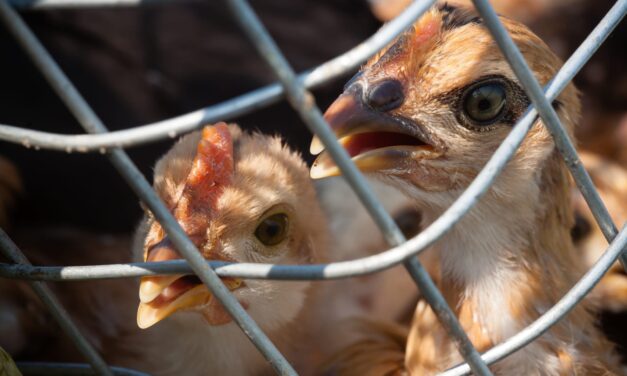
The Trump administration has paused the release of CDC studies on bird flu, delaying research on potential human infections and animal transmission, a KFF report finds.
Read More
The RNA-based vaccine showed full protection in mice against the H5N1 strain circulating in US cattle.
Read More
Monkeys exposed to H5N1 via the mouth and stomach resulted in limited infection without clinical signs, while exposure via the nose and windpipe caused mild to severe illness.
Read More