Semaglutide Tied to Fewer Asthma, COPD Exacerbations
The diabetes and weight loss injection semaglutide was associated with fewer asthma attacks and COPD exacerbations, according to ERS 2026 research.


The diabetes and weight loss injection semaglutide was associated with fewer asthma attacks and COPD exacerbations, according to ERS 2026 research.

The diabetes and weight loss injection semaglutide was associated with fewer asthma attacks and COPD exacerbations, according to ERS 2026 research.
Read More
Patients with severe asthma show structural brain changes and altered neural communication pathways linked to chronic inflammation.
Read More
A high-dose vaccine reduced hospital admissions for flu or pneumonia by nearly 9% among older individuals with chronic respiratory conditions like asthma and COPD.
Read More
A multiyear clinical trial found that OM-85 did not reduce severe wheezing episodes or early childhood asthma diagnoses.
Read More
A clinical trial will evaluate a weekly dry powder nasal spray’s ability to boost natural defenses and prevent asthma infections.
Read More
A hospital-based screening campaign identified significant gaps in asthma diagnosis and ongoing management among adults.
Read More
Researchers used a new mapping method to find 21 genes that drive asthma biology, potentially revealing new targets for drug development.
Read More
The collaboration will combine flow cytometry and proteomic analysis to help ID specific inflammatory pathways for chronic lung diseases.
Read More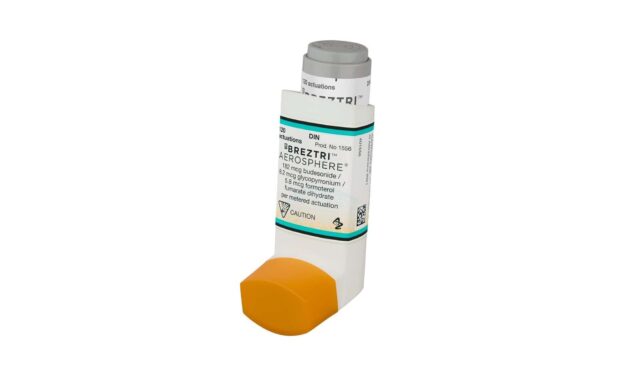
AstraZeneca’s triple-combination asthma therapy Breztri Aerosphere was approved in April 2026 for adults and pediatric patients age 12 and older.
Read More
New research suggests acoustic speech features can identify respiratory exacerbations from the first day of onset.
Read More
A large-scale study finds that the introduction of asthma biologics in 2015 has led to immediate and sustained reductions in exacerbations at the population level.
Read More
A collaboration between Jiva.ai and Aevice Health has developed a predictive model that identifies potential asthma exacerbations up to 72 hours in advance.
Read More
Research using lung-on-a-chip technology shows that mechanical stress from asthma attacks causes tissue damage independently of inflammation.
Read More
Researchers suggest delivering vitamin D directly to the lungs could bypass the limitations of oral supplements in treating COPD and asthma.
Read More
Research involving more than 30,000 children suggests no link between household cats and asthma severity or lung function.
Read More
This article will provide 8 recommendations for effective patient education regarding inhaled medications used in treating/preventing asthma symptoms and flare-ups.
Read More
A study of over 1.1 million American adults with asthma found that Black, Hispanic, and Asian patients use ICS, LABA and LAMA inhalers less frequently than white patients.
Read More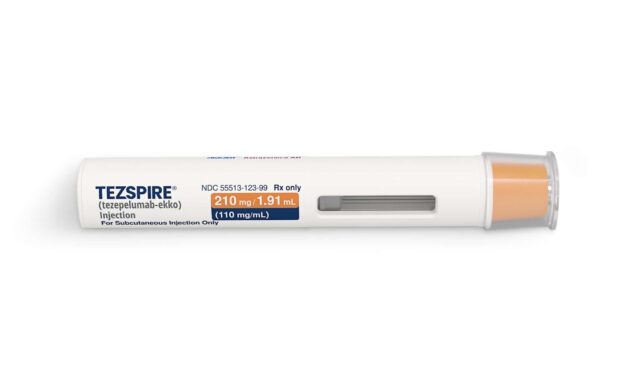
A new study shows tezepelumab (Tezspire) reduced asthma exacerbations by 70% across all patient subgroups, including smokers and those with comorbid conditions.
Read More
High consumption of ultra-processed food products significantly raises the likelihood of asthma onset in school-age children, according to a longitudinal study.
Read More
On World Asthma Day 2026, the American Thoracic Society and the Forum of International Respiratory Societies (FIRS) issued a call to action for universal access to anti-inflammatory inhalers.
Read More
A 20-year study of 11,000 patients shows that comorbidities and frequent exacerbations drive higher mortality rates in severe asthma cases.
Read More
Researchers are testing biodegradable particles designed to induce allergen tolerance without the need for broad immunosuppressive medications.
Read More
The initiative focuses on integrating respiratory services into primary healthcare to improve diagnosis and treatment access.
Read More
Targeting molecular switches in specialized lung cells may provide a new approach to preventing complications from allergic airway diseases.
Read More