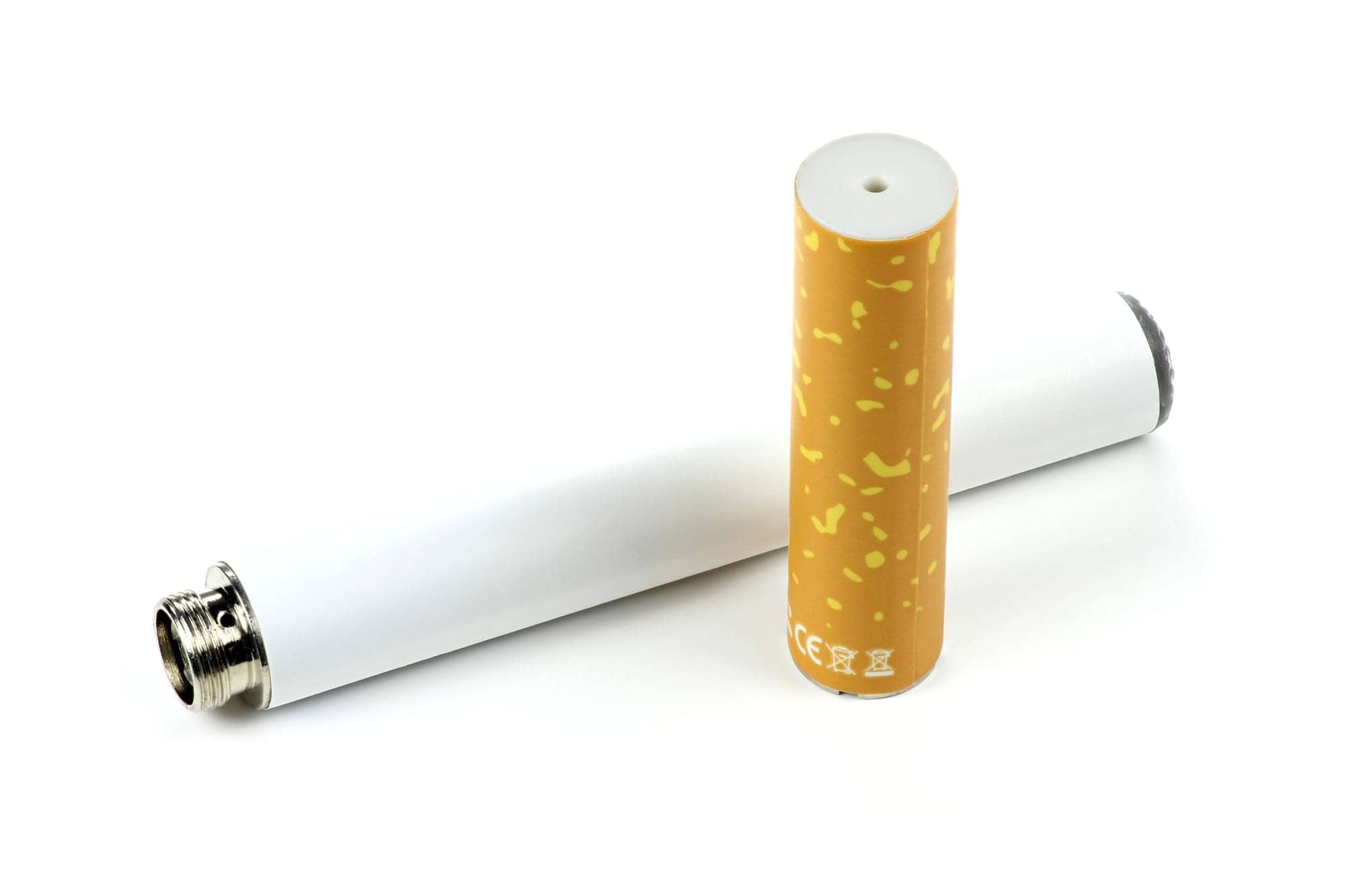
White, non-branded disposable vapes reduced teens’ interest in vaping — but standardizing may also dissuade smokers from switching to e-cigarettes.
RT’s Three Key Takeaways:
- Reduced youth appeal – Standardizing disposable vape device colors and branding modestly reduced interest among young people, especially those who had never vaped or smoked.
- Unintended trade-off – The biggest drop in interest was among smokers who had not yet tried vaping, raising concerns that standardization might discourage switching from smoking to vaping.
- Policy implications – While standardization may help curb youth uptake, it could also hinder harm reduction; researchers suggest pairing such policies with targeted smoking cessation strategies to balance outcomes.
Standardizing the color and branding of disposable vaping devices may deter young people who have never smoked or vaped from trying them in the first place, according to a comparative study, published in Tobacco Control.
But a potential trade-off is that there is a risk it may lead to fewer people switching from smoking to vaping, say the researchers.
Vaping has surged in popularity among young people in many countries over the past decade in tandem with the introduction of cheap disposable devices, point out the researchers.
Previously published research suggests that colorful branded packaging can increase the appeal of cigarettes and vapes to young people. But there’s no current evidence on whether standardizing the appearance of disposable vape devices themselves would affect their appeal and perceptions of harm, they add.
To find out, the researchers drew on 15,259 respondents to the 2023 online International Tobacco Control Youth and Youth Adult Tobacco & Vaping Survey. All the respondents were aged between 16 and 29 and living in England, Canada, or the US.
They were randomly assigned to view images of either 4 branded disposable vapes (7638 participants) or 4 standardized white disposable vapes (7621) and asked which vape products they would be interested in trying, and how harmful they thought they were.
Analysis of the responses showed that standardization increased the percentage of those reporting no interest in trying at least one of the vapes displayed. Just over 67% of those in the standardized group said they weren’t interested in trying any of the devices shown, compared with just under 63% of those in the branded group.
The smallest effect of standardization was observed among those who had never vaped or smoked: 93% of those in the standardized group reported no interest compared with just over 91% of those in the branded group.
The greatest impact was observed among those who had smoked, but not vaped, within the past month–47.5% in the standardized group vs 37.5% in the branded group–and these are people who would stand to gain from switching entirely from smoking to vaping, say the researchers.
Among those who had vaped, but not smoked, 20% of those shown standardized packaging reported no interest in trying them compared with 16.5% shown branded devices.
Similar effects were observed among people who both smoked and vaped (13.5% vs 9.5%) and among those who formerly smoked or vaped (just over 72.5% vs 65%).
The effects of standardization on participants’ harm perceptions of the vaping product displayed were minimal, however.
Just over 31% of those in the standardized group viewed the vape product as less harmful than smoking compared with just under 33% in the branded group. There was no clear difference in how standardization affected harm perceptions across smoking and vaping groups.
Product and packaging regulations have been used by several countries to reduce the appeal of cigarettes. And in January 2024, the UK government announced plans to introduce new measures to ensure that vape manufacturers implement standardized packaging for their products, but it’s not clear what this would look like, say the researchers.
“Our findings suggest that the integration of regulation on device design into new policy further reduces the appeal of vapes to young people. However, compared with people who have never smoked or vaped, the reduction in interest was more pronounced among smokers, who might benefit from using vapes to quit smoking.
There is a risk that the public health benefits of preventing youth uptake of vaping could be offset by a decline in the number of young people transitioning from smoking to exclusive vaping, or an increase in relapse from exclusive vaping to smoking, including dual use,” they add.
They conclude: “For countries interested in discouraging vaping among young people, standardizing the color of vaping devices could be considered alongside standardized packaging as a potential policy option. However, there may be unintended consequences in terms of discouraging those who smoke from switching to vaping, which should be further investigated and possibly balanced with other targeted policies to encourage smoking cessation.”