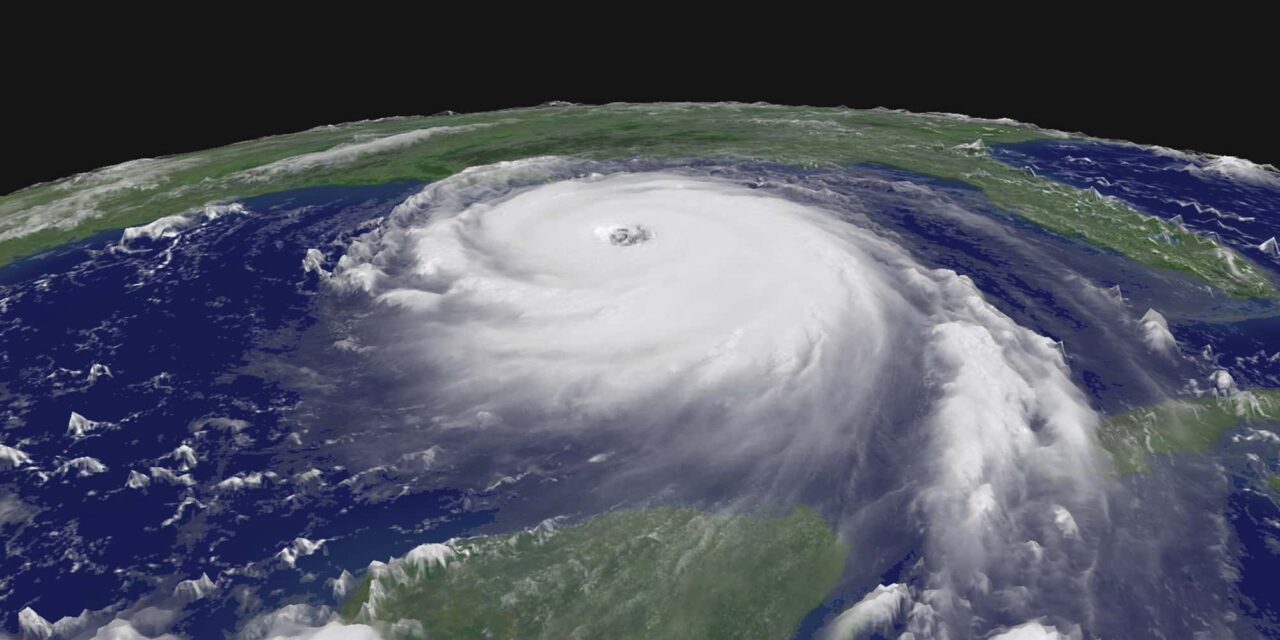
Nearly two-thirds of all pharmaceutical-producing facilities in the United States are located in a county that experienced at least one weather disaster declaration.
RT’s Three Key Takeaways:
- Climate disasters threaten drug supply — Nearly two-thirds of US pharmaceutical facilities from 2019–2024 were located in counties that experienced at least one weather disaster, exposing major vulnerabilities in the drug supply chain.
- Hurricanes and other extreme events drive shortages — Hurricanes were the most common disaster affecting facilities, but floods, fires, storms, and tornadoes also disrupted production, contributing to critical shortages of lifesaving drugs like IV fluids and cancer treatments.
- Resilience and transparency needed — Researchers and the American Cancer Society stress that supply chain transparency and disaster risk management strategies are essential to prevent future drug shortages and protect patient care.
In 2024, Hurricane Helene triggered a nationwide shortage of the country’s intravenous (IV) fluids after damaging a facility in North Carolina. A similar IV fluid shortage was caused when Hurricane Maria hit Puerto Rico in 2017.
In a new, nationwide study led by the American Cancer Society (ACS), scientists found that nearly two-thirds of all pharmaceutical-producing facilities in the United States were located in a county that experienced at least one weather disaster declaration. These disasters, like hurricanes, wildfires, and floods, posed risks for disruptions to facilities active in all aspects of the drug supply chain, according to the study published in JAMA.
Related: FDA Declares End to IV Saline Shortage
Related: ACP Calls Prescription Drug Shortages a Public Health Crisis
“Drug shortages following weather disasters demonstrate how the pharmaceutical supply chain is not yet resilient to climate-related disruptions,” said Dr Leticia Nogueira, scientific director, health services research at the American Cancer Society, and senior author of the study. “A limited number of facilities may manufacture significant shares of key therapeutics. This could put many people in need of lifesaving drug treatment at risk of disruptions or delays in care.” Researchers analyzed archived versions of the US FDA’s Establishments Current Registration Site to identify all US-based drug production facilities that manufacture, prepare, propagate, compound, or process drugs distributed in the country from 2019 to 2024. Counties with a Presidential Disaster Declaration from 2019 through 2024 were identified from the Federal Emergency Management Agency (FEMA) disaster declaration database. Scientists included climate-related disaster events, specifically fires, hurricanes, storms, tornadoes, and floods. They calculated the number of facilities that were in counties impacted by disasters, by type of production activity, and by type of disaster over time.
Study results showed there were 10,861 drug production facilities active from 2019 through 2024, ranging from 5,063 in 2023 to 8,790 in 2020, when 3,860 facilities (43.9%) were in US counties with at least one weather disaster declaration. Cumulatively, in the six-year period, there were 6,819 active facilities (62.8%) in counties when a disaster was declared, and an average of 2,146 active facilities (33.8%) annually over the study period. Facilities with all types of production activities were in counties with at least one disaster declaration between 2019 and 2024. Hurricanes were the most common climate-influenced disaster in counties with an active drug production facility, but all types of climate-related disasters impacted counties with active facilities during the study period. Moreover, there was no statistically significant difference in the likelihood that counties with and without drug production facilities experienced at least one disaster declaration, meaning that changing locations isn’t a viable strategy for improving supply chain resilience.
“These findings underscore the importance of recognizing climate-related vulnerabilities and the urgent need for supply chain transparency that allows integration of disaster risk management strategies into strategic resource allocation throughout the pharmaceutical supply chain,” added Nogueira. “Moving forward, threats must be examined and proactively mitigated to prevent critical health care disruptions.”
“Life-saving cancer drugs, especially older generic sterile injectable drugs, have been in chronic shortages due to a combination of factors, including economic reasons and climate-related disasters. The American Cancer Society Cancer Action Network (ACS CAN), ACS’s advocacy affiliate, has been working with lawmakers and federal agencies to address systemic vulnerabilities and create a more resilient system to ensure patients can access the medications they need without disruptions to their care,” said Mark E. Fleury, PhD, Principal, Policy Development – Emerging Science at the American Cancer Society Cancer Action Network. “ACS CAN helps to lead a drug shortage task force that includes over 20 organizations working to create data-driven solutions to drug shortages.”