Sudden Unexpected Infant Deaths Rising Among Black Infants
Sudden unexpected infant death accounts for more than one-third of the infant mortality disparity between Black and white infants in the US.


Sudden unexpected infant death accounts for more than one-third of the infant mortality disparity between Black and white infants in the US.

A new scientific statement from the Endocrine Society emphasizes health outcomes such as sleep apnea and heart disease over weight loss alone.


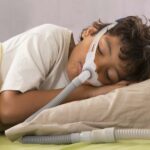



The project from the American Thoracic Society aims to reduce the high rate of undiagnosed sleep disorders by partnering with primary care providers.




Age, income, and personal attitudes influence the financial value individuals assign to their sleep.

Napping for more than 30 minutes daily significantly increases the likelihood of developing chronic liver conditions in individuals with type 2 diabetes.
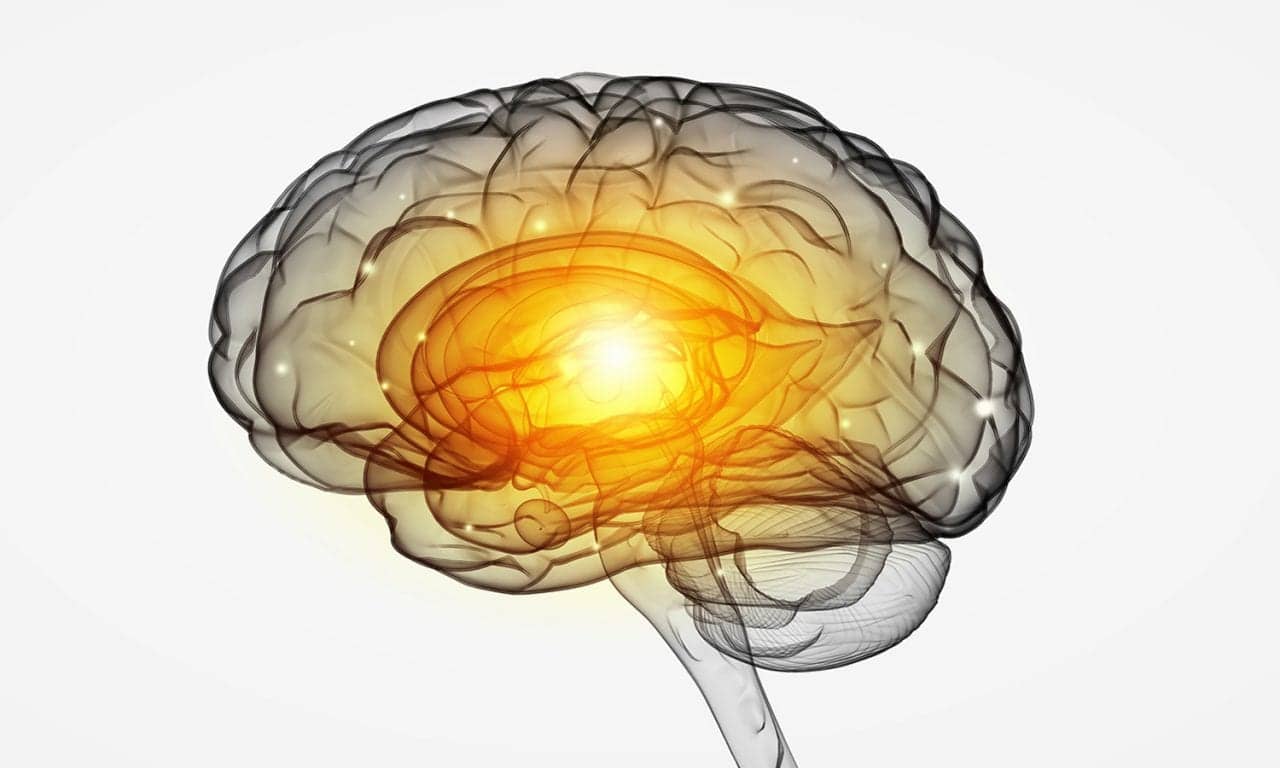
Degeneration in the locus coeruleus, alongside the hypothalamus, contributes to sleepiness and muscle weakness in narcolepsy type 1.