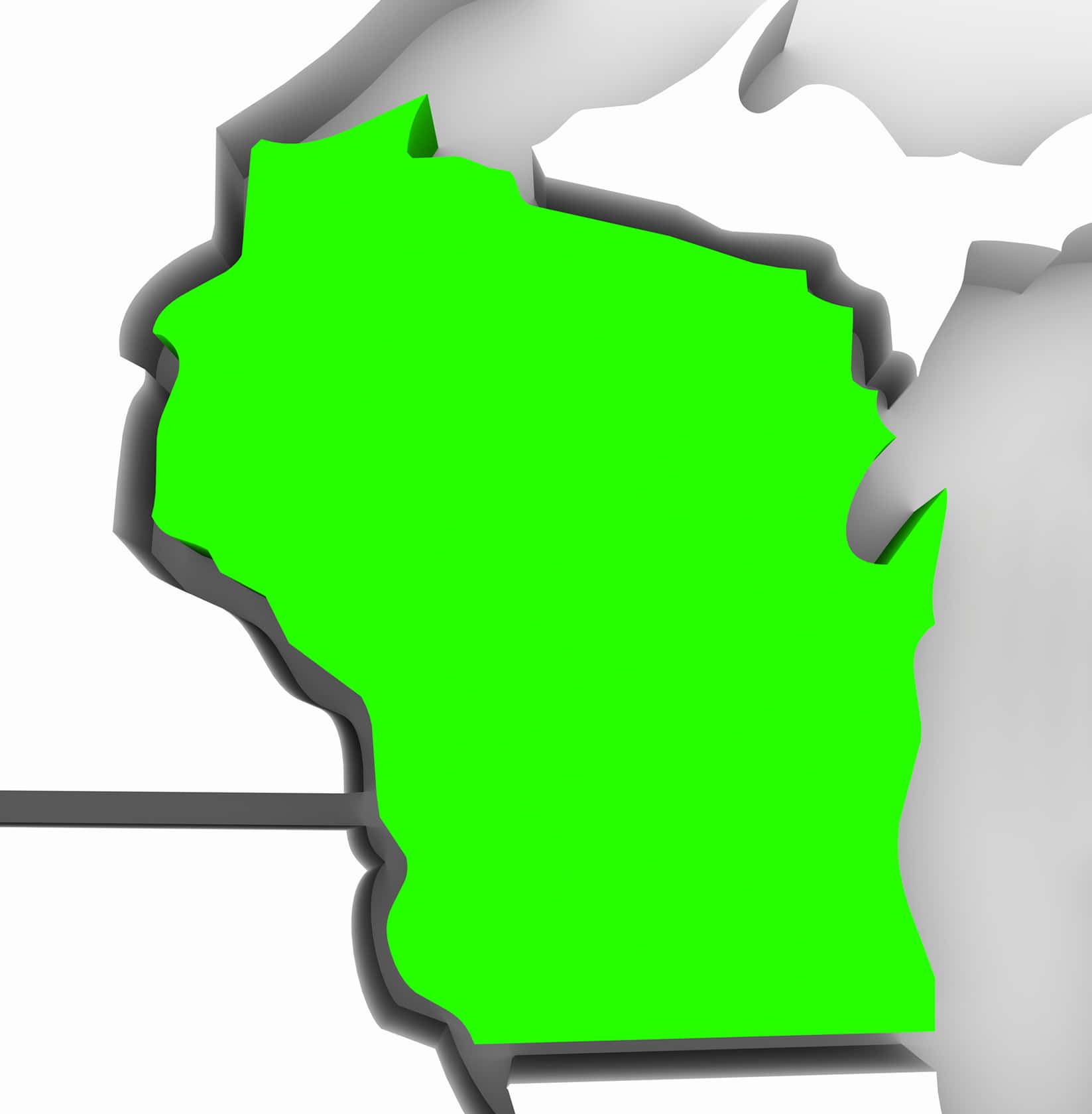
State health officials confirmed 649 measles cases in 20 counties since August 2026 and urge vaccination to prevent severe respiratory complications like pneumonia.
RT’s Three Key Takeaways:
- Second Pediatric Fatality: State health officials confirmed a second pediatric death linked to Wisconsin’s ongoing 2026 measles outbreak, according to the Wisconsin Department of Health Services (DHS).
- Surging Case Counts: Wisconsin has recorded 649 measles cases across 20 counties since August 2026, marking the highest case total the state has reported in more than 35 years, DHS noted.
- Vaccination Push: Local public health agencies and healthcare providers have administered more than 45,600 doses of the measles, mumps, and rubella (MMR) vaccine to curb transmission, according to agency data.
The Wisconsin Department of Health Services (DHS) confirmed a pediatric measles-associated death on Nov 12, according to the agency. The fatality marks the second death connected to the ongoing measles outbreak in Wisconsin in 2026 after another child died on November 5th.
DHS did not provide details on the child’s vaccination status and officials stated they will not release additional information regarding the death.
Measles is an airborne, highly contagious virus that spreads through close contact and respiration, according to DHS. The virus presents serious clinical challenges and can lead to life-threatening complications, including pneumonia and brain swelling. While the virus can cause severe disease across all age groups, children younger than 5 years old, pregnant individuals, and people with compromised immune systems face an increased risk of severe illness and complications, DHS stated.
Caseloads Reach 35-Year High
Through November 13, 2026, DHS documented 649 measles cases across 20 counties since the outbreak began in August 2026. Agency officials noted that this represents the highest number of measles infections recorded in Wisconsin in more than 35 years.
However, public health officials cautioned that documented case numbers may understate the true spread of the disease. Because not all individuals with symptoms seek healthcare or undergo laboratory testing, actual infections throughout the community may go unreported, according to the department.
Statewide Public Health Response
In response to the surge, DHS reported that it is coordinating with local health departments, Tribal health departments, and healthcare partners on tracking, laboratory testing, public information sharing, and vaccination drives.
Since August 1, 2026, DHS has delivered nearly 2,000 MMR vaccine doses to local health agencies in affected areas, while local public health units and healthcare providers have administered more than 45,600 total MMR doses across the state.
“Preventing the spread of measles takes action from all of us,” said Paula Tran, state health officer and division of public health administrator, in a news release. “From making sure our families are protected by getting the recommended vaccinations to staying home when we may have been exposed, we encourage everyone to work together to protect those who are most vulnerable to serious illness. Stay informed, look out for one another, and take the actions you can to help stop the spread of measles and keep our communities healthy and safe.”
According to public health guidance from DHS, two doses of the MMR vaccine provide approximately 97% protection against measles infection. The department advises individuals who experience fever and rash, particularly following known exposure or lack of vaccination, to contact their healthcare provider and call ahead before arriving at clinics or hospitals to prevent viral exposure in healthcare environments.