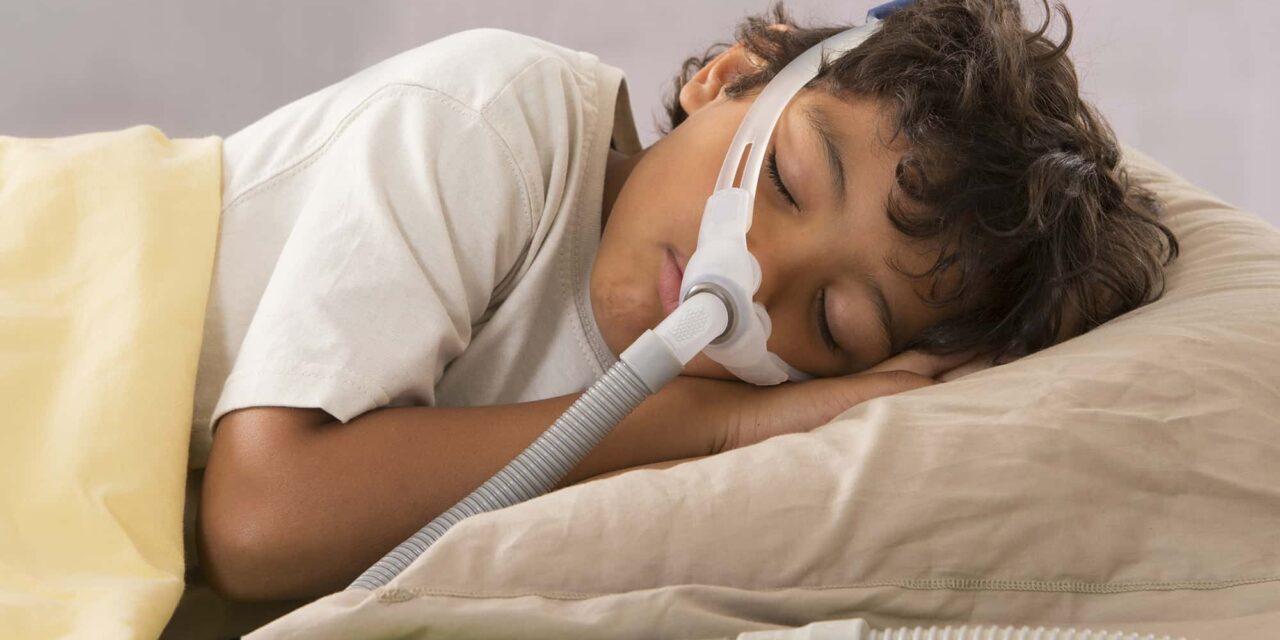
Pediatric patients with eczema face higher rates of sleep disturbance regardless of asthma, hay fever, or mental health conditions.
RT’s Three Key Takeaways:
- Sleep Disturbance Link: A study of more than 26,000 pediatric health records found that children with eczema are more likely to experience diagnosed sleep disturbances than children without the condition.
- Independent Association: The correlation between eczema and sleep issues remained consistent regardless of whether a child also presented with mental health disorders or other allergic conditions, such as asthma or hay fever.
- Routine Screening Value: Researchers emphasize that healthcare providers should routinely evaluate sleep quality in children with eczema to facilitate earlier interventions and improve long-term outcomes.
Children diagnosed with atopic dermatitis (eczema) are more likely to develop sleep problems than peers without the skin condition, according to research presented at the ACAAI 2026.
“Eczema is often thought of as just a skin problem, but our findings suggest it is associated with a child’s overall well-being, particularly their sleep,” said Samantha Sundermeier, DO, lead researcher and ACAAI member. “We found that children with eczema were more likely to have a diagnosed sleep disturbance, and the relationship was similar whether they also had a mental health condition or other allergic conditions. This highlights the importance of asking about sleep, not just skin symptoms, when caring for children with eczema.”
Evaluating Broad Primary Care Records
Eczema causes dry, itchy, and inflamed skin, representing one of the most frequent dermatological diagnoses in pediatric medicine. While clinicians have recognized that skin discomfort can interrupt sleep, prior studies primarily evaluated small patient cohorts from specialty clinics.
To assess the connection within a broader population, investigators reviewed electronic health records from more than 26,000 patients, spanning from birth to age 21, who were evaluated at a primary care clinic between January 2024 and January 2026. The research team analyzed the prevalence and overlap of eczema, diagnosed sleep disturbances, mental health disorders, and concurrent allergic conditions, including asthma and hay fever.
Key Study Findings
Across the entire study cohort, approximately 15% of children had an eczema diagnosis, and approximately 10% had a diagnosed sleep issue. When analyzing patient subsets, about 12% of children with eczema had a diagnosed sleep problem, compared with about 10% of children without eczema.
The researchers reported that this elevated rate of sleep disturbance among patients with eczema remained steady regardless of the presence of co-occurring allergic airway diseases or mental health diagnoses.
Clinical Implications for Healthcare Providers
Chronic sleep deprivation in pediatric patients is known to compromise daytime behavior, cognitive learning, mood stability, and overall quality of life. Given the widespread prevalence of atopic dermatitis, the study authors suggested that medical professionals treating pediatric eczema should proactively ask caregivers about sleep habits, disturbances, and nighttime awakenings during routine examinations.
Early clinical identification of sleep disruption allows clinicians to develop targeted management strategies, optimize therapeutic regimens, and support better developmental and quality-of-life outcomes for pediatric patients.